Where to Base Your Business in Croatia: A Practical Guide
Location can shape your business's success in Croatia. From coastal hubs to inland cities, here's how to weigh infrastructure, labour, and market access.
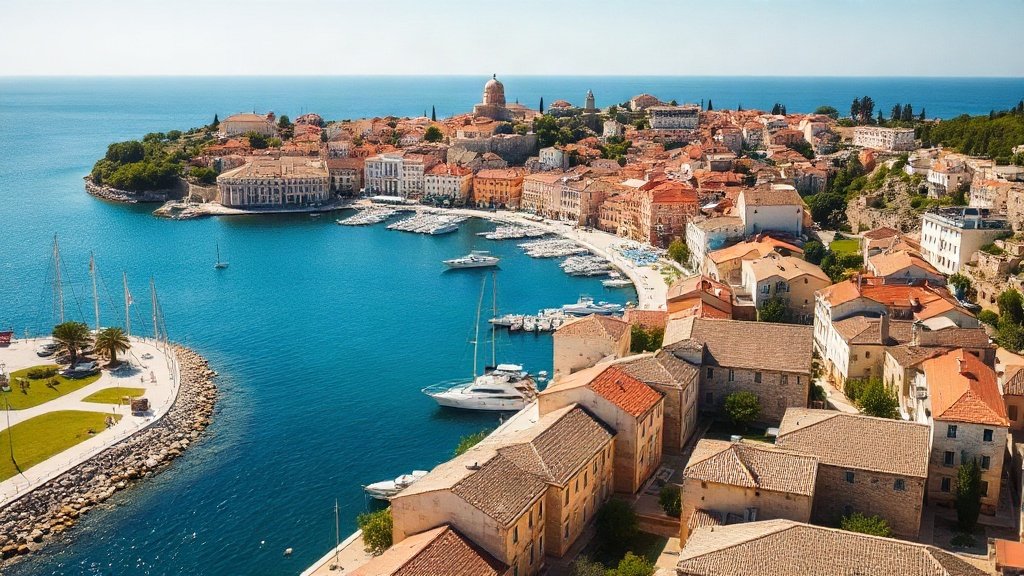
Illustration: AI-generated image
Choosing the right location for your business in Croatia is more than just finding an office or shop. It involves matching your company’s needs with the characteristics of different regions—each offering unique advantages for certain types of enterprise. Whether you are launching a tech startup, a tourism service, or a manufacturing operation, the location you pick can affect costs, access to talent, and your customer base.
This guide will help you think through the key factors: urban versus rural settings, infrastructure, labour availability, market proximity, and regional incentives. By the end, you should have a clearer picture of what to look for when scouting locations.
Urban vs Rural: What Matters for Your Sector
Croatia’s cities, especially Zagreb, Split, Rijeka, and Osijek, offer dense populations, developed infrastructure, and a concentration of business services. If your business relies on foot traffic, a large client base, or frequent collaboration with other companies—think retail, consulting, or IT—being in a city centre or a well-connected urban district is usually beneficial. City locations also provide better access to public transport, which matters for employees commuting daily.
Rural and smaller town locations, on the other hand, often mean lower property costs and less competition. For agricultural businesses, food processing, or companies needing larger plots of land, rural areas in Slavonia, Lika, or inland Dalmatia can be ideal. They may also offer a more relaxed pace and stronger community ties, which can help with local marketing and word-of-mouth. However, you should check the availability of broadband internet, reliable utilities, and transport links, as these vary outside major hubs.
Infrastructure and Connectivity
Access to transport is critical for any business that moves goods or relies on clients visiting. Croatia’s motorway network connects the capital with most regions, but some rural areas are still better served by regional roads. If you plan to export, being near a port—such as Rijeka, Ploče, or Zadar—or a major airport (Zagreb, Split, Dubrovnik) can reduce logistics costs. Rail freight is more limited, but it exists for certain industrial corridors.
Digital infrastructure has improved significantly, with high-speed internet available in most urban and many rural areas. Still, if your business depends on heavy data use, verify fibre optic coverage or reliable 4G/5G signals in the specific location you are considering.
Labour Market Considerations
The local labour pool should match your hiring needs. Zagreb, as the capital, has the largest and most diverse workforce, including many university graduates and international talent. Coastal cities like Split and Rijeka also have strong universities and a steady influx of seasonal workers, which can be useful for tourism or hospitality businesses. Inland regions may have lower wage expectations but also fewer specialised professionals. If you need highly skilled technical staff, proximity to universities or a tradition in a certain industry (for example, shipbuilding in Rijeka, food processing in Osijek) can be an advantage.
Regional Incentives and Assisted Areas
The Croatian government and the EU offer incentives for businesses that locate in designated assisted areas—typically regions with higher unemployment or lower GDP per capita. These incentives can include tax relief, grants for job creation, or subsidised infrastructure. While the specifics change over time, it is worth checking with the Croatian Agency for SMEs, Innovations and Investments (HAMAG-BICRO) or the Ministry of Regional Development to see if your chosen location qualifies. Even without formal incentives, some local authorities may offer reduced communal fees or fast-tracked permits to attract employers.
Keep in mind that assisted area status is based on statistical data and is not a judgement on a region’s potential. Many such areas are actively developing and can offer a lower cost base without sacrificing quality of life.
Practical Steps for Site Selection
Before committing to a location, take these steps:
- Define your business needs: list non-negotiables such as space, transport access, and required utilities.
- Research regional data: look at population, income levels, and industry clusters from the Croatian Bureau of Statistics.
- Visit shortlisted areas: talk to local business owners, check traffic patterns, and assess the vibe.
- Consult local authorities: ask about permits, communal fees, and any available incentives.
- Consider future growth: choose a location that can accommodate expansion without a costly move.
Choosing a business location in Croatia is a strategic decision that can influence your company for years. By weighing these factors carefully, you can find a place that supports your goals and offers a good quality of life for you and your team.