A Practical Guide to Home Insurance in Croatia: What You Need to Know
From earthquake cover to contents protection, here’s how home insurance works in Croatia and what to consider before you buy.

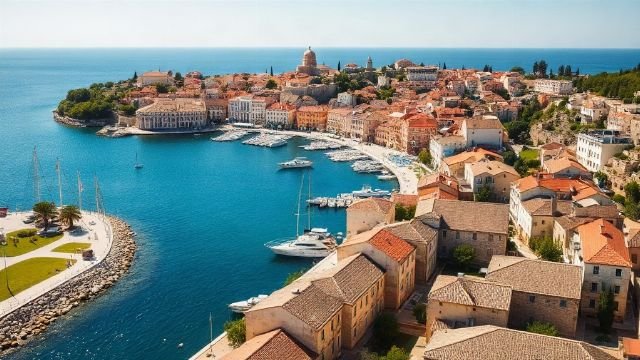
Illustration: AI-generated image
Whether you own an apartment in Split, rent a flat in Zagreb, or have a stone house on an island, protecting your home and belongings matters. Home insurance in Croatia is not a single product—it usually comes in two parts: building insurance and contents insurance, and understanding the difference is the first step.
Building insurance: protecting the structure
Building insurance covers the physical structure of your home: walls, roof, floors, and permanent fixtures like built-in kitchens and bathrooms. If you own a house or apartment, this type of cover is essential. In many cases, mortgage lenders require it, and even without a mortgage, it is a sensible safeguard against fire, storms, and—crucially in Croatia—earthquakes.
Earthquake cover is often an optional extra, but given the country’s seismic activity, it is widely recommended. Some policies include basic earthquake cover automatically; others charge an additional premium. Always check the small print: the level of cover for earthquakes can be lower than for other perils, and an excess (the amount you pay yourself) may apply.
Contents insurance: your belongings
Contents insurance covers everything you would take with you if you moved: furniture, electronics, clothes, jewellery, and even bicycles. If you are renting, this is the policy you need—your landlord’s building insurance will not pay for your possessions if they are stolen or damaged by a burst pipe or fire.
When taking out contents cover, think about the total value of your belongings. Many people underestimate this. A simple inventory with photos can help if you ever need to make a claim. Some policies include "new for old" replacement, while others pay only the current value, so compare carefully.
Additional cover worth considering
Liability insurance is often bundled with home policies or available as an extra. It protects you if someone is injured in your home or if you accidentally cause damage to a neighbour’s property—for example, if a leaking washing machine ruins the flat below. In apartment buildings, the building management typically holds a collective policy for common areas, but that does not cover the inside of your own unit.
Some insurers offer combined "home packages" that include building, contents, and liability cover in one, which can be cheaper than buying separately. Be aware that flood cover is not always included, especially in areas near rivers or the sea; if you live in a flood-prone zone, you may need to request it specifically.
Practical tips before you buy
- Get at least three quotes. Prices vary, and discounts are often available if you combine policies or pay annually.
- Understand the excess. A high excess lowers the premium but means you pay more out of pocket when claiming.
- Check what is excluded. Common exclusions include wear and tear, damage from pests, and certain natural events unless specifically added.
- Update your cover after major renovations or purchases. An underinsured home can lead to reduced payouts.
Home insurance may not be the most exciting part of settling into Croatia, but it brings real peace of mind. For a relatively modest annual cost, you can protect yourself against events that could otherwise be financially devastating.