Sarma: A Guide to Croatia's Traditional Stuffed Cabbage Rolls
Warm, hearty and deeply savoury, sarma is Croatia's beloved winter dish of fermented cabbage leaves wrapped around a rich meat and rice filling, slow-cooked with smoked meats.
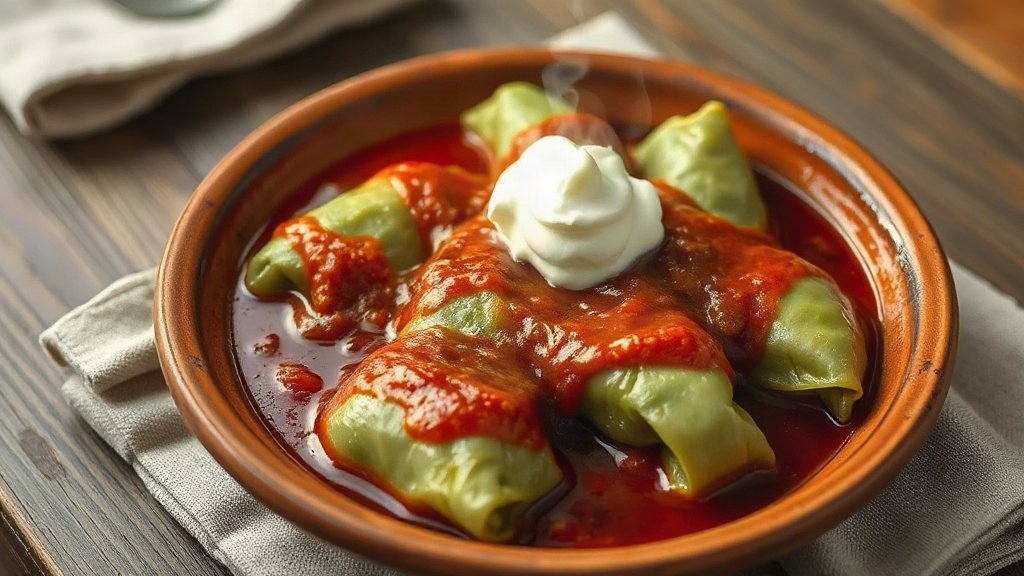
Illustration: AI-generated image
When the cold winds blow across continental Croatia, kitchens fill with the comforting aroma of sarma – tender cabbage leaves wrapped around a savoury mixture of minced meat and rice, slowly simmered in a rich broth. This beloved dish is a staple of Croatian home cooking, especially in Slavonia and other inland regions, where sour cabbage (kiseli kupus) is a winter larder essential.
What Makes Croatian Sarma Special
Unlike many cabbage roll variations around the world, Croatian sarma is typically made with whole heads of fermented cabbage, not fresh leaves. The cabbage is naturally pickled in brine, giving it a distinctive tang that balances the richness of the filling. The filling usually combines minced pork, beef, or a mixture of both, along with rice, onions, garlic, and spices such as paprika, black pepper, and sometimes a touch of smoked bacon for depth.
The rolls are packed tightly into a large pot and layered with pieces of smoked meat – often dried ribs, bacon, or sausages – which infuse the cooking liquid with a deep, smoky flavour. The pot is then left to simmer gently for several hours, allowing the flavours to meld and the cabbage to become meltingly tender. The result is a dish that is both rustic and celebratory, perfect for feeding a crowd.
How to Make Sarma at Home
Making sarma at home is a rewarding project, especially on a chilly weekend. Start by sourcing a whole head of sour cabbage; you can find these at Croatian green markets or specialist European grocers. Carefully separate the leaves, trimming any thick ribs to make them easier to roll. If the leaves are very sour, a quick rinse or brief soak in cold water can mellow the flavour.
For the filling, sauté finely chopped onions until soft, then mix with minced meat, uncooked rice, an egg to bind, and your chosen seasonings. Place a spoonful of the mixture near the base of each cabbage leaf, fold in the sides, and roll tightly, tucking in the edges to prevent unravelling during cooking.
Layer the rolls seam-side down in a heavy pot, interspersing them with smoked pork ribs or bacon. Pour over enough water or stock to just cover, add a bay leaf and a little paprika, then bring to a gentle simmer. Cook on low heat for two to three hours, or until the cabbage is very soft and the rice is fully cooked. Avoid stirring, as this can break the rolls; instead, shake the pot occasionally.
Sarma is traditionally served with mashed potatoes, creamy polenta, or crusty bread to soak up the juices. A dollop of sour cream on top adds a cooling contrast to the savoury broth.
Where to Try Sarma in Croatia
While sarma is first and foremost a home-cooked dish, you can often find it on the menus of traditional restaurants in inland Croatia, particularly during the winter months. Look for it listed among daily specials (dnevna ponuda) in places that serve hearty local fare. Many buffet-style eateries (buffet or gostionica) also offer sarma as a ready meal, sold by weight or portion.
For a true taste of the tradition, consider visiting a Croatian green market in late autumn or winter, where you'll see whole heads of sour cabbage stacked high. Buying one to take home is a wonderful way to recreate the dish and bring a piece of Croatian culinary heritage to your own table.
Whether enjoyed at a family gathering or in a cosy restaurant, sarma embodies the warmth and generosity of Croatian hospitality. Its slow-cooked depth and satisfying flavours make it a dish worth seeking out – and worth mastering in your own kitchen.