Maneštra: A Guide to Istria's Hearty Vegetable and Bean Soup
Explore maneštra, the rustic Istrian soup that turns humble vegetables, beans and corn into a comforting bowl of tradition.
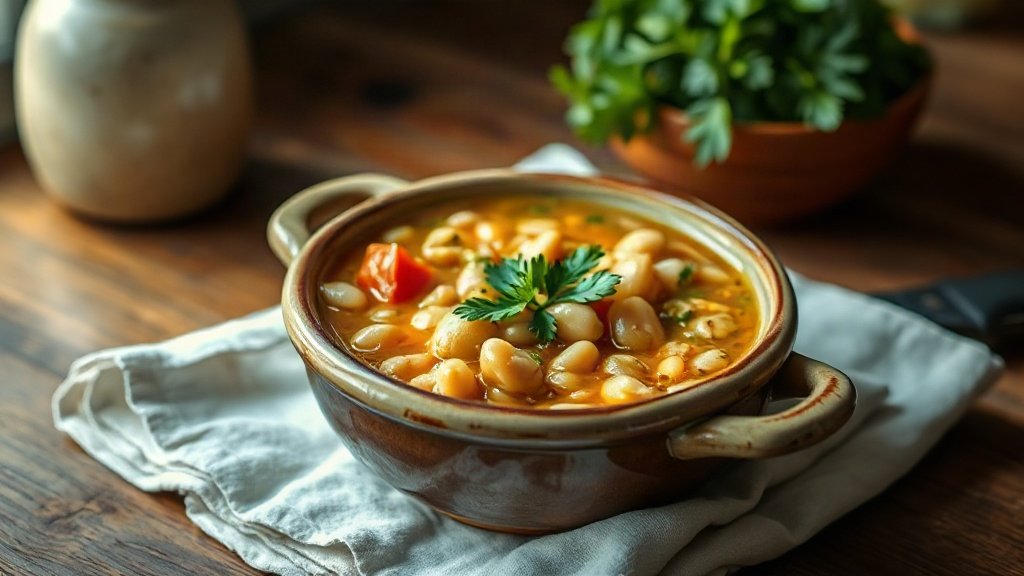
Illustration: AI-generated image
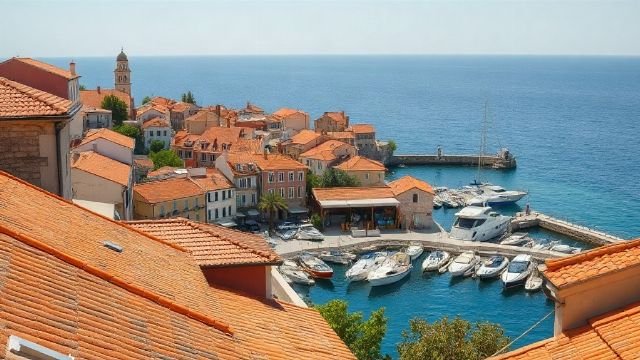
Maneštra is a thick, rustic soup that anchors the home cooking of Istria, Croatia's largest peninsula. More than just a starter, it is a substantial one-pot meal that transforms humble vegetables, dried beans and corn into a deeply satisfying dish. Families across the region have long relied on maneštra to feed a crowd, using whatever the garden offers and stretching ingredients through slow, gentle cooking.
What is maneštra?
The name maneštra derives from the Italian word minestra, meaning soup, and the dish shares DNA with Italian minestrone. However, Istrian maneštra has a distinct character: it is typically thicker, heartier, and built around a base of dried beans and corn rather than a broad mix of pasta and vegetables. The result is a chunky, nourishing broth that can stand alone as a main course. Unlike smooth puréed soups, maneštra retains the texture of its ingredients, offering a satisfying bite in every spoonful.
Key ingredients
The beauty of maneštra lies in its flexibility, but certain ingredients appear again and again. Dried beans are essential—borlotti or cranberry beans are favourites, soaked overnight before cooking. Corn is the other star: fresh kernels are used in summer, while dried corn, rehydrated during cooking, is common in winter. Potatoes, carrots, celery, onion and garlic form the aromatic base, and a ripe tomato or two is sometimes added for a hint of sweetness. Seasonings are simple: bay leaf, parsley, salt and pepper. A generous glug of olive oil, especially Istrian extra-virgin, enriches the broth. While many versions are vegetarian, some cooks add a small piece of pancetta, a prosciutto bone or a smoked pork hock for extra depth—particularly when the soup is meant to be a celebratory dish.
How it's prepared
Maneštra is a slow-cooked affair, traditionally made in a single heavy pot. After the beans have soaked, they are simmered with aromatics and the sturdier vegetables—potatoes, carrots and celery—until nearly tender. Corn is added partway through, either scraped from the cob in summer or added as dried kernels that plump up in the cooking liquid. The soup is then left to bubble gently, often for an hour or more, allowing the flavours to meld and the broth to thicken naturally. Some cooks mash a portion of the beans against the side of the pot to create a creamier texture. It is important to add softer ingredients, such as leafy greens or fresh herbs, only in the final minutes to preserve their colour and bite.
Regional variations
While maneštra is most closely associated with Istria, similar soups appear throughout Croatia's coastal and rural areas. In some households, barley, fava beans or chickpeas replace or supplement the beans. Leafy greens like Swiss chard, kale or even foraged wild herbs are popular additions, especially in spring. A splash of white wine or a teaspoon of vinegar added at the end can lift the flavours. The essence of maneštra is adaptability; it was born of necessity, designed to use up whatever the garden yielded and to feed hungry families without waste.
How to serve and enjoy
Maneštra is best served piping hot, ladled into deep bowls and finished with a swirl of extra-virgin olive oil and a scattering of fresh parsley. Crusty bread is essential for soaking up the rich broth. In Istria, it is common as a main course at lunch, especially during the cooler months, and it pairs beautifully with a simple green salad dressed with olive oil and vinegar. A glass of local Malvazija or Teran complements the earthy flavours. Leftovers are a gift: like many slow-cooked dishes, maneštra tastes even better the next day, when the ingredients have had time to mingle.
Bringing maneštra into your kitchen
If you want to try making maneštra at home, start with good-quality dried beans—borlotti is ideal—and soak them overnight. Use a heavy-bottomed pot and resist the urge to rush; low, steady heat is key. Make a large batch, as the soup freezes well and provides quick, comforting meals on busy days. There is no single correct recipe, so let the seasons and your own garden or market haul guide you. In doing so, you will capture the true spirit of Istrian cooking: simple ingredients, time-honoured techniques and a deep respect for the land.