Bermet: A Guide to Croatia's Aromatic Dessert Wine from Samobor
Discover Bermet, the traditional aromatized wine from Samobor that blends herbs and spices for a bittersweet, vermouth-like tipple.
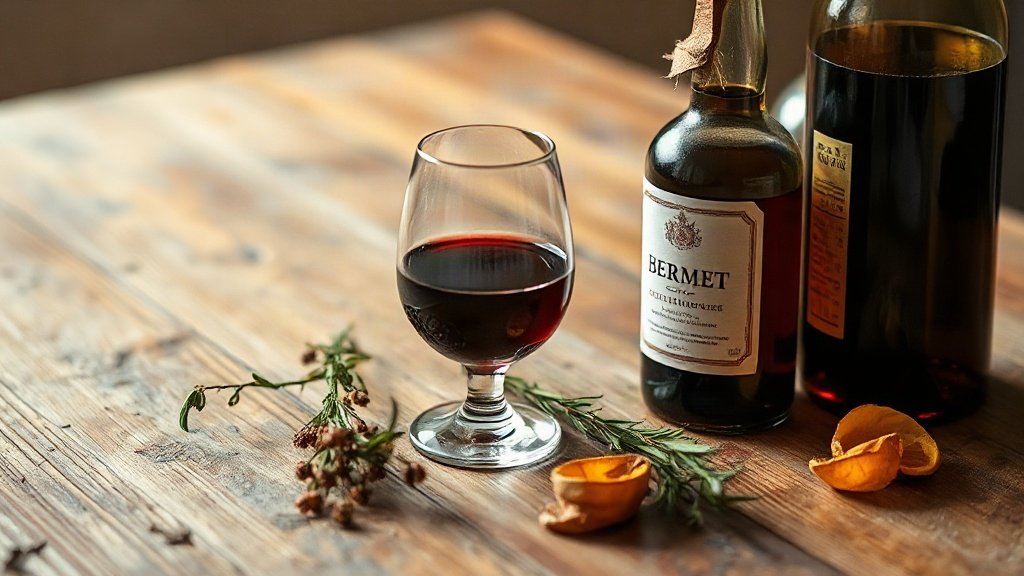
Illustration: AI-generated image
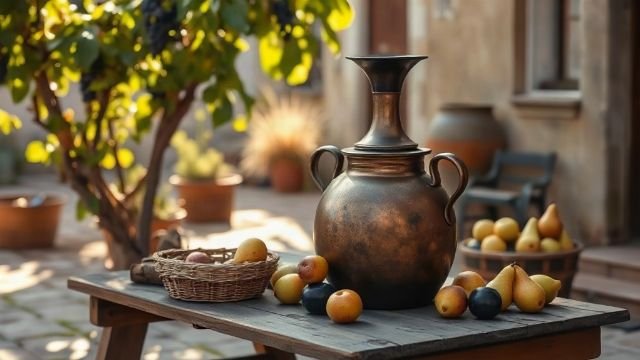
Just a short drive west of Zagreb lies the town of Samobor, famous for its cream cakes, crystal, and a drinks tradition that reaches back centuries. Among its best-kept secrets is Bermet, an aromatized wine that has been made here for generations. Often compared to vermouth, Bermet stands apart with its bold herbal bitterness, subtle sweetness, and deep connection to the hills and vineyards of this corner of continental Croatia.
What is Bermet?
Bermet is a fortified, aromatized wine made by infusing a base wine with a blend of herbs, spices, and bitter botanicals. The most important ingredient is wormwood, known locally as pelin, which gives Bermet its characteristic bitter edge. Depending on the producer, other additions may include sage, rosemary, bay leaf, orange or lemon peel, carob, dried figs, and a mix of Mediterranean spices. The result is a deeply aromatic drink that balances bitter, sweet, and herbal notes in every sip.
Red, White, and Rosé
Bermet comes in three main styles. The red version is the most common, made from local red grape varieties and aged to develop rich, dried-fruit and spice flavours. White Bermet is lighter and more floral, often with bright citrus and herbaceous notes. A rosé style also exists, falling somewhere between the two in weight and character. All three share the signature bitterness from wormwood, but each offers a different expression of Samobor's terroir.
How Bermet Is Made
Traditional production begins with fermenting local grapes, often harvested late for extra ripeness. The young wine is then macerated with the chosen botanicals for several weeks, allowing the alcohol to extract essential oils and flavours. After straining, the wine may be lightly sweetened and left to age in wooden barrels or glass demijohns. This patient process softens the bitterness and allows the dozens of individual aromas to marry into a harmonious whole. Some family recipes are said to include more than twenty different herbs and spices.
How to Drink Bermet
Bermet is best enjoyed slightly chilled, around cellar temperature. Serve it in a small wine glass or a traditional liqueur glass, and sip slowly to appreciate its layered complexity. It works beautifully as an aperitif before a meal, stimulating the appetite with its bitter edge. After dinner, it makes an excellent digestif alongside coffee or as an alternative to stronger spirits. A few drops can also be added to sparkling water for a refreshing, low-alcohol spritz.
Food Pairings
Bermet's bittersweet profile makes it a surprisingly versatile partner at the table. It pairs well with aged cheeses, particularly sharp or nutty varieties, and with cured meats like pršut or kulen. For dessert, try it with dark chocolate, walnut cake, or traditional Samobor cream slices. The wine's herbal notes also complement roasted nuts, dried figs, and spiced biscuits. In winter, a small glass of Bermet served at room temperature makes a warming finish to a hearty meal.
Whether you encounter it in a Samobor konoba or bring a bottle home as a souvenir, Bermet offers a distinctive taste of Croatia's inland wine heritage. Its complex, bittersweet character is a wonderful counterpoint to the country's better-known coastal wines, and a reminder that some of the most interesting bottles come from small towns with long memories.