Croatian Olive Oil: A Guide to the Adriatic's Liquid Gold
Discover the regions, indigenous varieties, and tasting tips for Croatia's renowned olive oils, a cornerstone of Mediterranean cuisine.
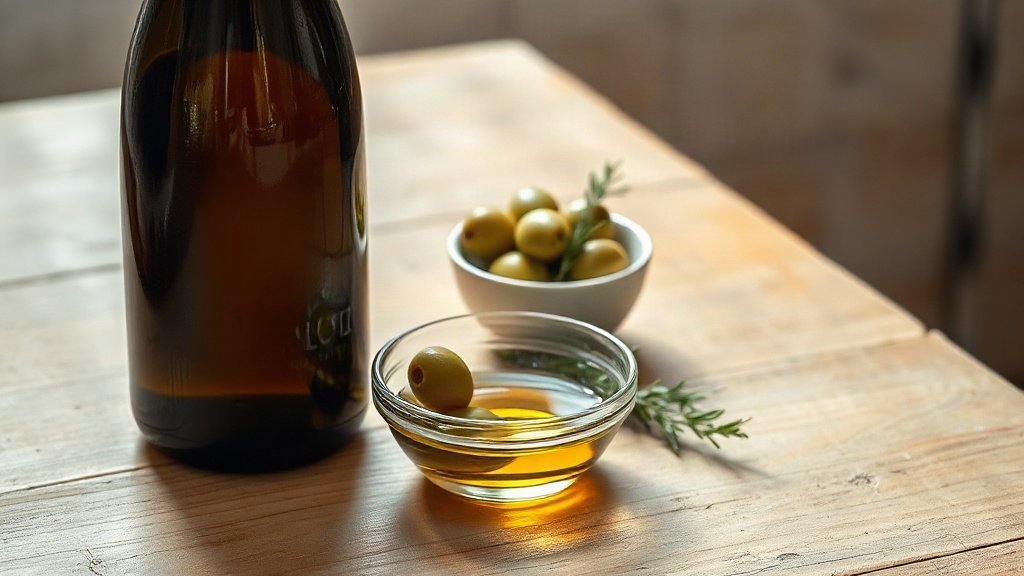
Illustration: AI-generated image
Croatia's long Adriatic coastline and sun-drenched islands have nurtured olive groves for millennia. Today, the country produces some of Europe's most distinctive olive oils, prized for their freshness, peppery bite, and aromatic complexity. Whether drizzled over grilled fish or simply sopped up with fresh bread, Croatian olive oil is a staple of the local table and a must-try for any food lover.
Where Croatian Olive Oil Comes From
Olive cultivation is concentrated along the coast and islands, where the Mediterranean climate provides ideal conditions. The main production areas are:
- Istria – often considered Croatia's premier olive oil region, known for delicate, grassy oils with a balanced bitterness.
- Dalmatia – including the islands of Brač, Hvar, and Korčula, producing robust, peppery oils with robust fruitiness.
- Kvarner – smaller production but notable for oils from Krk and Cres, often with a distinct wild herb aroma.
Indigenous Olive Varieties
Croatia boasts several indigenous olive cultivars that contribute to the unique character of its oils:
- Oblica – the most widespread variety, especially in Dalmatia, yielding a well-balanced oil with notes of green almond and artichoke.
- Buža – common in Istria, producing oils that are typically delicate with a mild bitterness and a hint of freshly cut grass.
- Istarska Bjelica – another Istrian variety, known for its aromatic complexity and mild pepperiness.
- Lastovka and Drobnica – found on southern Dalmatian islands, offering robust, intensely fruity profiles.
How to Taste Olive Oil Like a Local
Tasting olive oil is an art form in Croatia, often done at local mills and agritourism farms. To appreciate its qualities:
- Pour a small amount into a glass or cup, warm it with your hands to release aromas.
- Inhale deeply – note fresh, green notes like grass, tomato leaf, or herbs.
- Sip and slurp – allow the oil to coat your mouth, then swallow. Expect a pleasant bitterness at the back of the throat and a peppery sensation that makes you cough slightly – a sign of high polyphenols and quality.
Using Croatian Olive Oil in the Kitchen
In Croatian cuisine, olive oil is used both for cooking and as a finishing touch. It is essential in dishes like blitva (Swiss chard and potatoes), drizzled over grilled fish, and mixed into salads. For the best flavor, use extra virgin olive oil raw – on bread, over soups, or as a final flourish on pasta. Lighter, refined oils are better for frying due to their higher smoke point.
Buying and Storing Tips
When purchasing Croatian olive oil, look for labels that indicate extra virgin, and check for a harvest date or production year – fresher is better. Dark glass bottles protect the oil from light, which can degrade quality. Store in a cool, dark place, and consume within a year of opening for optimal flavor. Many small family producers sell directly at farmers' markets or through local cooperatives, offering a chance to taste before buying.
Whether you're exploring Istrian hilltop towns or Dalmatian island villages, sampling local olive oil is an essential part of the Croatian culinary experience. Its vibrant flavors capture the essence of the Adriatic sun and soil.