Croatia's Indigenous Wine Grapes: A Guide to Teran, Žlahtina and Beyond
Beyond the well-known Malvazija and Plavac Mali, Croatia is home to dozens of unique grape varieties. Here's a guide to some of the most distinctive indigenous wines worth discovering.
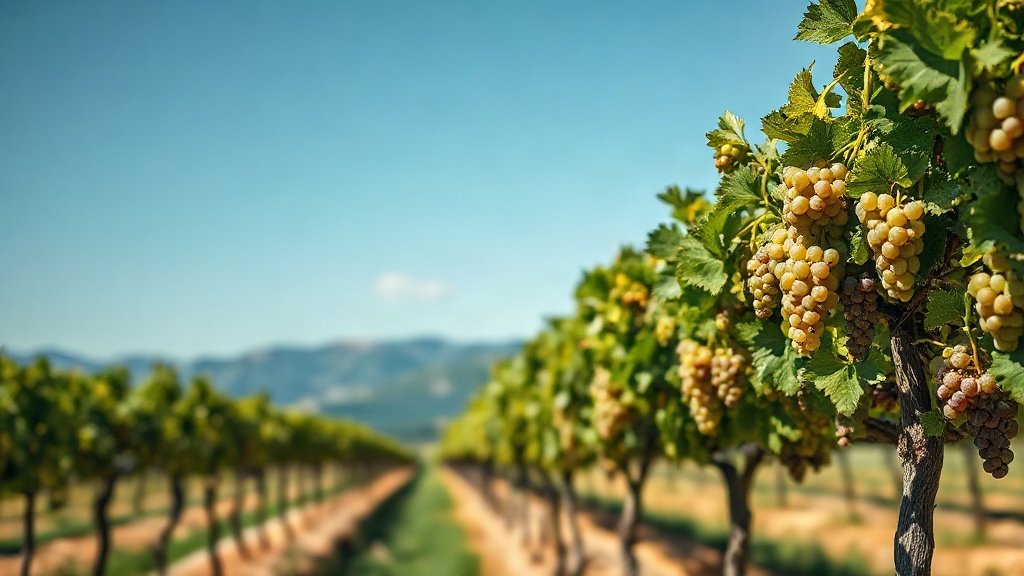
Illustration: AI-generated image
Croatia's wine landscape is remarkably diverse, with over 130 indigenous grape varieties cultivated across its coastal and continental regions. While Malvazija Istarska, Pošip, Plavac Mali and Graševina often steal the spotlight, many lesser-known grapes produce wines of distinct character and quality. Exploring these hidden gems offers a deeper understanding of Croatia's rich viticultural heritage.
Teran: The Iron-Rich Red of Istria
Teran is a red grape variety primarily grown in Istria, particularly around the town of Motovun. It thrives in the region's iron-rich red soil, known locally as terra rossa, which imparts a distinctive earthy, mineral quality to the wine. Teran wines are typically deep ruby in colour with high acidity and firm tannins. Expect aromas of sour cherry, forest fruits, pepper and sometimes a subtle smoky note. The wine pairs beautifully with cured meats like Istrian pršut, grilled sausages, and hearty game dishes. Its refreshing acidity also makes it a good match for tomato-based pasta sauces.
Žlahtina: The Crisp White of Krk
Žlahtina is an aromatic white grape grown almost exclusively on the island of Krk, particularly around the town of Vrbnik. The name derives from the Slavic word for "noble". Wines made from Žlahtina are typically light-bodied, pale yellow, and dry, with delicate floral and citrus aromas, hints of almond and a pleasant saline finish reflecting the island's maritime influence. Serve chilled as an aperitif or with seafood such as grilled fish, scampi or shellfish. Its crisp acidity makes it a versatile partner for light salads and fresh cheeses.
Bogdanuša: The Golden Drop of Hvar
Bogdanuša, meaning "God-given", is a white grape native to the island of Hvar, particularly around the village of Svirče. It produces golden-yellow wines that are medium-bodied with moderate alcohol and round, fruity flavours of melon, apricot and citrus. Unlike many Dalmatian whites, Bogdanuša is often fermented dry but retains a soft, approachable character. It pairs well with white fish, chicken dishes and mild cheeses. The grape is a key component in some traditional Hvar field blends, but varietal bottlings are becoming more common.
Debit: The Coastal White of Northern Dalmatia
Debit is a white grape variety cultivated mainly in the Šibenik and Primošten areas of northern Dalmatia. Traditionally used in blends, it has gained recognition as a single-varietal wine in recent years. Debit wines are usually straw-yellow, dry and fresh, with aromas of green apple, pear, herbs and sometimes a slight nuttiness. Its crisp acidity and light body make it an excellent match for grilled squid, briny oysters, or lighter vegetable dishes. It is often compared to a more delicate, savoury version of Malvazija.
Maraština: The Aromatic Richness of Dalmatia
Maraština, also known as Rukatac, is a white grape grown along the Dalmatian coast and islands. Its origins are debated, but it has been present in the region for centuries. Wines from Maraština tend to be fuller-bodied and more aromatic than other Dalmatian whites, with notes of peach, ripe pear, wildflowers and a touch of honey. Depending on vinification, styles range from crisp and unoaked to rich and barrel-aged. Pair with roasted poultry, creamy pasta dishes or richer seafood like monkfish. The grape's versatility makes it a favourite among local winemakers for gastronomic pairing.
Other Noteworthy Varieties
Beyond these, many other indigenous grapes contribute to Croatia's wine mosaic. Plavina is a red grape from central and southern Dalmatia, often used for easy-drinking rosé and light reds with red berry notes. Škrlet is a white grape from Moslavina in continental Croatia, producing fresh, low-alcohol wines with green apple and floral aromas. Žilavka is widely planted in Herzegovina but also found in the Dalmatian hinterland, yielding honeyed, stone-fruit whites. Grk, grown on the sandy soils of Lumbarda on Korčula, produces a distinctive, almost salty white wine. Each of these grapes tells a story of local tradition and adaptation.
Exploring Croatia's indigenous grape varieties is a journey through the country's varied terroirs and cultural history. Whether you favour crisp island whites or robust reds from iron-rich soils, there is a lesser-known Croatian wine waiting to be discovered.