Šparoge: A Guide to Croatia's Wild Asparagus Tradition
Every spring, Istrians and Dalmatians head to the hills to forage for šparoge, the wild asparagus that turns simple fritaje and pastas into seasonal treasures.
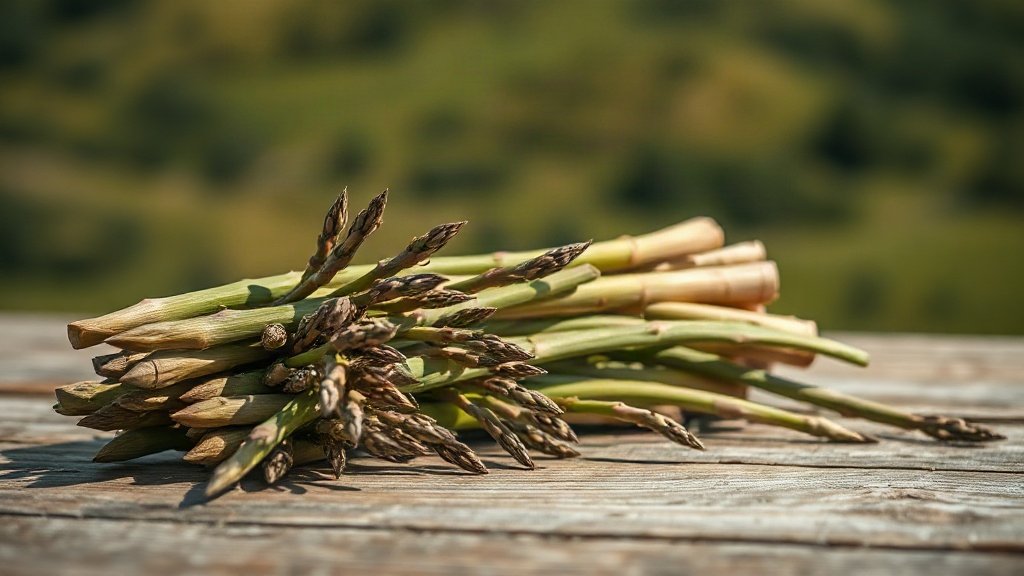
Illustration: AI-generated image
As winter loosens its grip on the Adriatic coast, a quiet ritual begins in the hills and meadows of Istria, Dalmatia and the islands. Foragers set out with knives and baskets, scanning the undergrowth for a slender, green shoot that announces spring like no other: šparoge, or wild asparagus.
What are šparoge?
Unlike the thick, cultivated asparagus sold in supermarkets, wild asparagus (Asparagus acutifolius) is a thin, woody-stemmed plant with a delicate, slightly bitter flavour. It grows in dry, rocky terrain, often among brambles and low bushes, and is harvested for only a few weeks each year. The young shoots — tender and green, sometimes with a purplish tinge — are prized for their intense taste, which is far more pronounced than that of their garden cousin.
Where and when to forage
Šparoge appear from late February through April, depending on the region and weather. In Istria and the Dalmatian hinterland, the first warm days after rain trigger a burst of growth. Foragers typically head to sunny slopes, edges of pine forests, and abandoned agricultural land. Local knowledge is key: experienced pickers know exactly which spots yield the best shoots, and families often guard their secret locations. While foraging for personal use is generally allowed, it is wise to respect private property and avoid protected areas.
How to cook šparoge
The most iconic preparation is fritaja, a simple scrambled egg dish that lets the asparagus shine. The shoots are briefly boiled or sautéed, then folded into beaten eggs with a little salt and pepper. A splash of olive oil and perhaps a grating of sheep's cheese complete the dish.
Beyond fritaja, šparoge work beautifully in pasta — tossed with olive oil, garlic and pecorino — or in risotto, where their bitterness balances creamy rice. Some cooks add them to soups or serve them simply steamed with a drizzle of olive oil and lemon. The key is gentle cooking: overcooked wild asparagus turns mushy and loses its vibrant flavour.
A taste of spring
For visitors to Croatia in early spring, seeking out šparoge is a chance to taste the landscape itself. Many konobas and farm-to-table restaurants feature seasonal wild asparagus dishes, but there is nothing quite like foraging and cooking your own. It connects you to a tradition that predates tourism and speaks to the deep relationship between the land and its people.
Whether gathered in the wild or bought at a local market, šparoge embody the essence of the Mediterranean spring — fresh, fleeting and utterly delicious.