How to Eat Like a Local in Croatia: A Mealtime Guide
From late breakfasts to long lunches and coffee rituals, here's how to navigate Croatian dining customs and make the most of every meal.
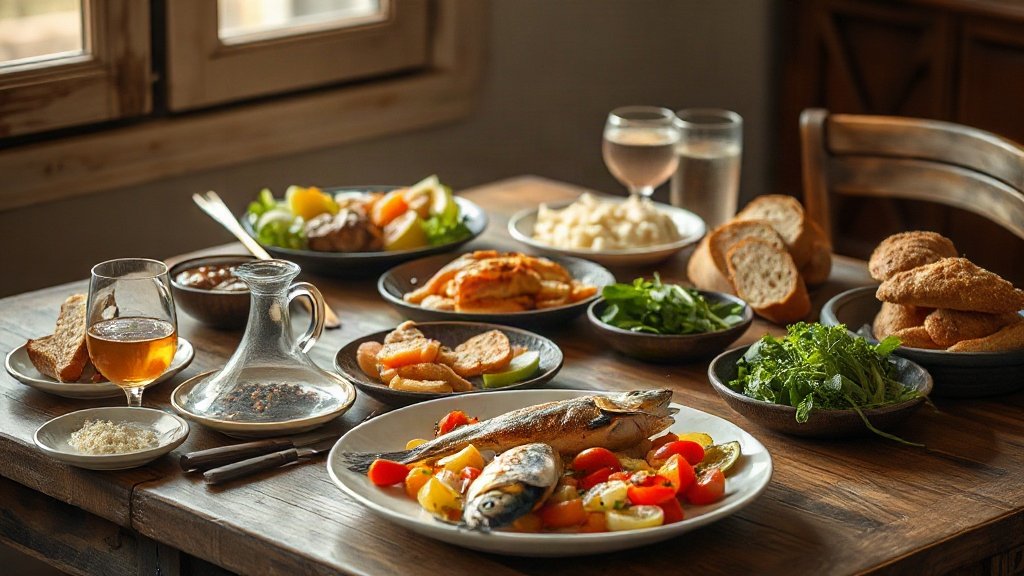
Illustration: AI-generated image
Croatia's food culture is rooted in Mediterranean and Central European traditions, and eating well is a way of life. Understanding local meal rhythms and customs will help you blend in and enjoy the best the country has to offer.
Meal Times in Croatia
Breakfast is usually light—often a coffee with a pastry, bread with jam, or perhaps a yogurt. Many locals grab a quick bite at a bakery on the way to work. Lunch is the main meal of the day, typically served between noon and 3 p.m. It can be a multi-course affair, especially on weekends or when dining out with family. Dinner is generally lighter and eaten later, especially in summer when the heat pushes evening meals toward 9 p.m. or even later along the coast.
Between meals, you might notice people enjoying a mid-morning snack known as marenda, which can be anything from a sandwich to a small cooked dish. This tradition is especially common in Dalmatia and Istria.
Ordering and Sharing
Bread is a staple on every table, usually served with olive oil and sometimes vinegar. Tap water is safe to drink throughout Croatia, and you can order it as voda iz slavine—though bottled water is widely available. Portions are often generous, so sharing starters or ordering a few dishes to split is perfectly acceptable, especially in a konoba (traditional tavern).
When in doubt, ask for the daily specials or let the server recommend something local. Phrases like što preporučujete? (what do you recommend?) go a long way. Menus often feature seasonal and regional ingredients, so focus on what's fresh: seafood on the coast, meat and hearty stews inland.
Dining Etiquette
In casual eateries, you can usually seat yourself, but in more formal restaurants, it's polite to wait to be seated. Once at the table, keep your hands visible (but not elbows) and wait until everyone is served before starting to eat. A common toast is živjeli (cheers), and before eating, you might hear dobar tek (enjoy your meal).
Tipping is appreciated but not obligatory. In restaurants, rounding up the bill or leaving around 10 percent for good service is standard. In cafes, leaving small change is common.
Coffee and Snack Culture
Coffee is a social ritual, not a quick caffeine fix. Locals often spend an hour or more at a café, sipping an espresso or macchiato while chatting. It's perfectly acceptable to order just a coffee and sit for as long as you like—no one will rush you. Pair it with a sweet pastry or a slice of cake for a mid-morning or afternoon treat.
In summer, ice cream is a popular afternoon snack, and you'll see families strolling with cones in the early evening. Fruit, especially seasonal offerings like cherries, figs, or mandarins, is also enjoyed as a light bite.
Embracing local eating habits will enhance your trip. Be flexible with meal times, enjoy the leisurely pace, and don't hesitate to ask for advice—Croatians are proud of their cuisine and happy to share it.