Doing Business in Istria: A Guide for Entrepreneurs and Investors
Istria offers a unique blend of EU membership, strategic location, and a high quality of life, making it an attractive destination for business. This guide covers key sectors, practicalities, and opportunities for entrepreneurs and investors.
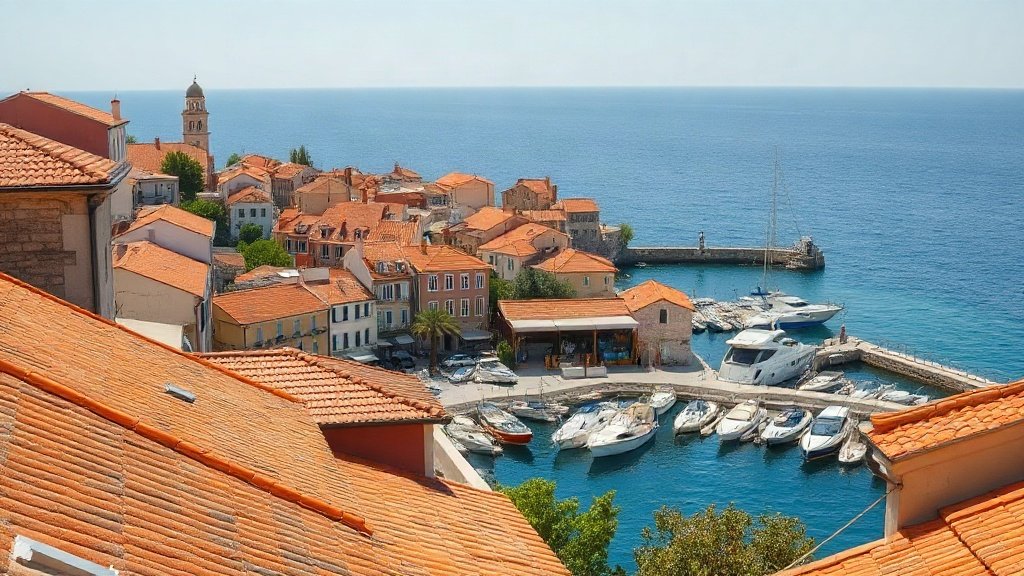
Illustration: AI-generated image
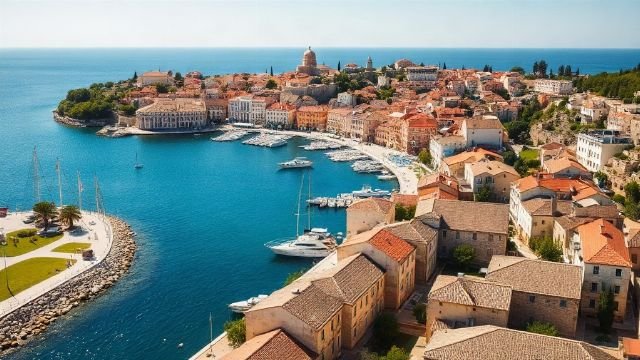
Istria, the largest peninsula in the Adriatic Sea, has long been a crossroads of cultures and trade. Today, it is one of Croatia's most developed regions, known for its tourism, agriculture, and increasingly, a growing services and technology sector. For entrepreneurs and investors, Istria offers a compelling combination of EU stability, strategic location, and an enviable lifestyle.
Location and Connectivity
Istria is well connected to the rest of Europe. Pula Airport offers seasonal and some year-round flights to major European cities, while the region's road network links it to Slovenia and Italy. The ports of Pula and Rovinj serve maritime traffic, and the proximity to Trieste and Koper provides additional logistics options. This accessibility makes Istria an ideal base for businesses serving both Croatian and wider EU markets.
Key Economic Sectors
Tourism is the dominant industry, with a strong emphasis on quality and sustainability. The region attracts millions of visitors each year, creating opportunities in hospitality, food and beverage, and related services. Agriculture, particularly olive oil, wine, and truffles, is another pillar, with many producers achieving international recognition. Manufacturing, especially in metal processing and shipbuilding, remains important, while the IT and creative sectors are growing, supported by a skilled and multilingual workforce.
Workforce and Education
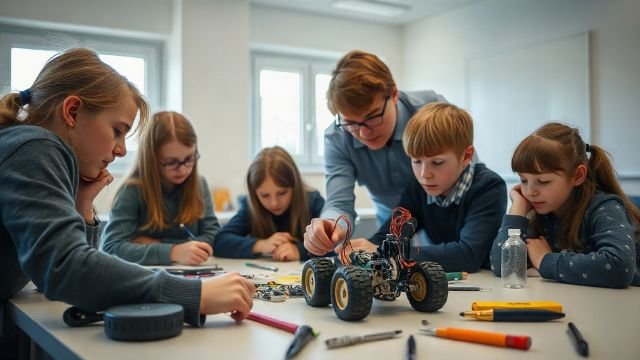
Istria benefits from a well-educated population, with several higher education institutions and vocational schools. Many residents speak English, Italian, and German, which is a significant advantage for international business. The cost of labour is generally lower than in Western Europe, though it has been rising. The region's quality of life attracts remote workers and digital nomads, adding to the talent pool.
Business Environment and Incentives
Croatia's EU membership ensures a transparent legal framework and access to EU funding. Istria offers additional local incentives for investment in certain zones and sectors, and the region is actively promoting itself as a destination for green and digital businesses. Setting up a company in Croatia is straightforward, and the country's tax rates are competitive within the EU. Entrepreneurs can choose from various legal forms, including the limited liability company (d.o.o.) and the sole trader (obrt).
Quality of Life
One of Istria's greatest draws is its high quality of life. The region offers a mild Mediterranean climate, beautiful coastline, historic towns, and excellent food and wine. Healthcare and education systems are good, and the pace of life is relaxed. This makes it easier to attract and retain employees, especially those seeking a better work-life balance.
Practical Tips for Getting Started
If you are considering doing business in Istria, start by visiting the region and networking with local entrepreneurs. Attend business events and trade fairs, and consider engaging a local consultant or lawyer to navigate administrative procedures. Croatia's digital government services, such as the e-Obrt and e-Tvrtka portals, allow for online registration of businesses. Once established, make use of local resources such as the Istrian Development Agency (IDA) and the Croatian Chamber of Economy (HGK) for support and information.
In summary, Istria combines the advantages of an established EU region with a dynamic and welcoming business climate. Whether you are looking to start a tourism venture, export local products, or set up a tech company, Istria offers a solid foundation for success.