A Guide to Croatian Filigree: The Delicate Art of Silver Threads
Discover the centuries-old craft of filigree, from its ancient roots to its place in modern Croatia.
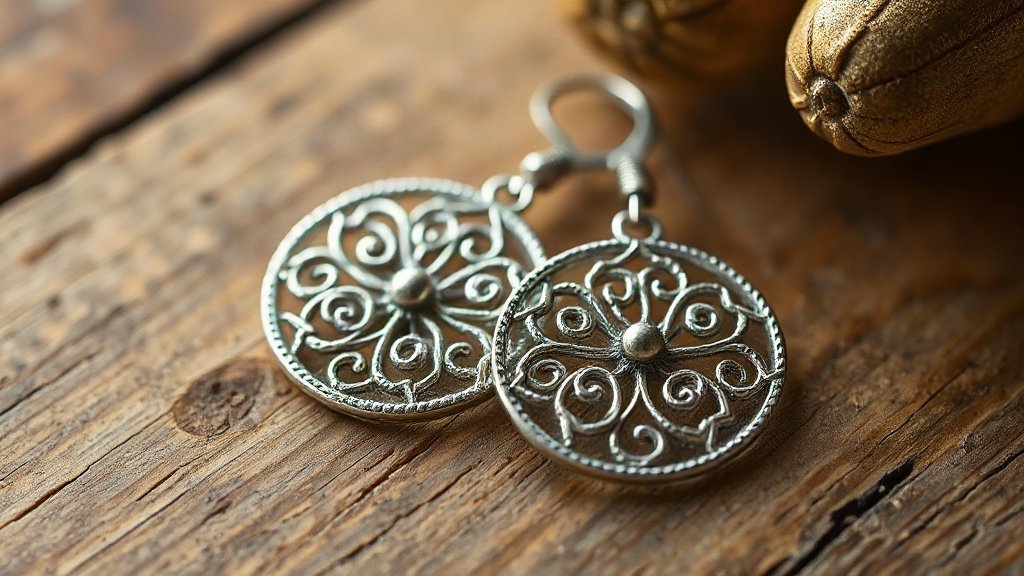
Illustration: AI-generated image
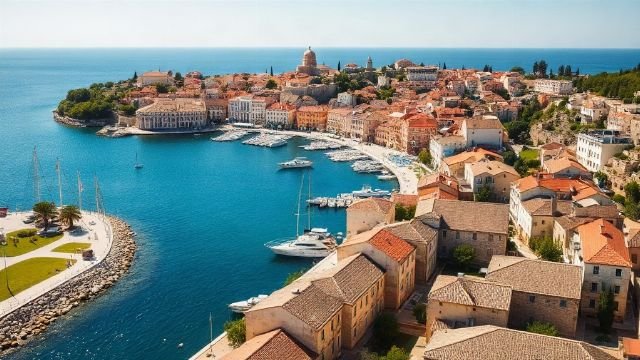
In the narrow streets of Dubrovnik, in the quiet workshops of Pag, and among the green hills of Konavle, a delicate art has been practised for centuries: filigree. This ancient jewellery-making technique, which transforms fine silver or gold threads into intricate lace-like patterns, is one of Croatia's most treasured traditional crafts.
Filigree is not unique to Croatia, but the country's coastal regions have developed a distinctive style that reflects centuries of cultural exchange. Rooted in the techniques of the ancient Greeks and Romans, and later enriched by Byzantine and Venetian influences, Croatian filigree became especially prominent during the Renaissance when Dubrovnik's skilled goldsmiths supplied finely worked pieces to clients across the Mediterranean.
What is filigree?
Filigree involves twisting very thin wires of precious metal into elaborate motifs, then soldering them onto a metal base to create openwork designs. Tiny beads or granules of metal are often added for extra detail. The result is jewellery that looks as light and delicate as lace, yet is surprisingly durable. Masters of the craft can shape the wires into spirals, scrolls, and floral patterns, using only simple hand tools and a steady flame.
The process demands immense patience and precision. A single pair of earrings can take days to complete, as each tiny element must be placed and secured with care. Traditionally, the technique was passed down through generations of families, with apprentices learning by watching and assisting for years before they were allowed to create their own designs.
Where filigree thrives in Croatia
Several regions of Croatia have maintained strong filigree traditions. Dubrovnik, with its rich mercantile history, has long been a centre for fine metalwork. Pag, already famous for its lace, also has a tradition of filigree that likely developed alongside the lace industry, as both crafts require a similar eye for intricate detail. In the Konavle region, south of Dubrovnik, filigree was historically produced as part of traditional folk costume, adorning belts, buckles, and decorative pins.
Typical items include earrings, necklaces, brooches, and rings, often featuring motifs drawn from nature: leaves, flowers, and grapes. Religious objects, such as crosses and reliquaries, were also made using filigree, commissioned by churches and wealthy patrons. Today, while the craft faces competition from mass-produced jewellery, there remains a strong appreciation for authentic handmade pieces, both among locals and visitors seeking a meaningful souvenir.
Experiencing filigree today
Visitors to Croatia can see historical examples of filigree in museums, particularly in Zagreb and Dubrovnik, where ethnographic collections display traditional jewellery and tools. In Dubrovnik, the city's museums often include pieces from the Renaissance period. On Pag, small workshops may open their doors to visitors, though it is always wise to check locally. Demonstrations of filigree making are sometimes part of cultural festivals, especially those celebrating traditional crafts.
When purchasing filigree, look for fine, even wire work and a clear hallmark that indicates the silver content. Authentic handmade pieces may show slight irregularities that are a sign of the human hand, rather than the uniformity of machine production. Buying directly from a craftsperson, where possible, supports the continuation of this fragile tradition.
Filigree is more than just a form of decoration; it is a living link to Croatia's past, a craft that embodies the patience, skill, and artistry of generations. Whether you admire it in a museum case or wear a piece around your neck, it offers a tangible connection to the country's rich cultural heritage.