A Guide to Croatian Pottery: The Enduring Art of Clay
From prehistoric Vučedol culture to modern artisan workshops, pottery remains a vibrant part of Croatian heritage. Discover the regional styles, techniques, and cultural significance of this ancient craft.
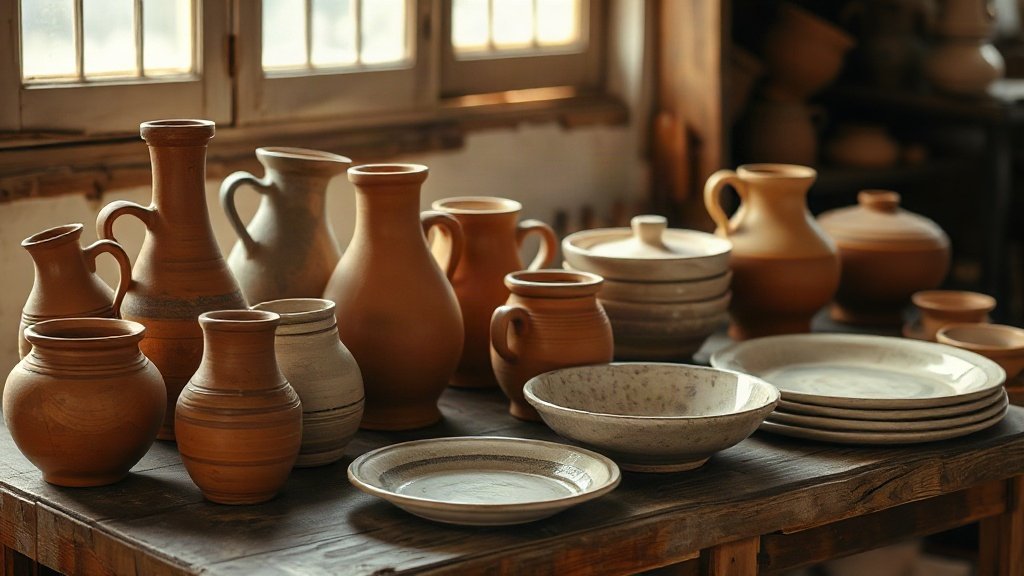
Illustration: AI-generated image
Long before the written word, the people of what is now Croatia shaped clay into vessels for cooking, storage, and ritual. Today, that ancient craft endures in the hands of skilled potters who blend age-old techniques with contemporary creativity. Pottery in Croatia is more than a utilitarian art; it is a tangible link to the land and its history.
A Brief History of Croatian Pottery
Archaeological finds across Croatia reveal a continuous pottery tradition spanning millennia. The Vučedol culture, flourishing near Vukovar around 3000 BC, produced some of the most sophisticated ceramics of prehistoric Europe, including the famous Vučedol dove. In Dalmatia, Neolithic impressed ware and later Illyrian and Roman pottery show a deep-rooted mastery of clay. During the Middle Ages and under Ottoman influence, new forms and decorative motifs entered the local repertoire, enriching the craft. By the 19th century, pottery had become a vital cottage industry in many rural regions, with each area developing its own distinctive style.
Regional Styles and Techniques
Croatia's diverse geography and cultural influences have given rise to several notable pottery traditions. In Slavonia, potters traditionally produced large, unglazed earthenware vessels for storing grain and wine, often decorated with simple incised lines. Dalmatian potters, particularly on the island of Hvar and around the Neretva valley, favoured glazed ware with green, yellow, and brown hues, creating everything from olive oil jugs to decorative plates. Istria has a long tradition of terracotta cookware, while the hills of Hrvatsko Zagorje are known for their sturdy, red-clay pots. Common techniques include hand-building, wheel-throwing, and the use of glazes made from local minerals. Decorative motifs often draw from nature: vines, flowers, and geometric patterns inspired by the surrounding landscape.
Where to See and Experience Croatian Pottery Today
Many ethnographic museums across Croatia display historic pottery collections, offering insights into regional variations and daily life of past centuries. Throughout the year, craft fairs and village festivals provide opportunities to watch potters at work and purchase authentic pieces. Some rural workshops, particularly in areas like Dalmatinska Zagora and central Croatia, welcome visitors for demonstrations, continuing a living heritage that is passed down through generations. While specific venues may change, local tourist offices can usually direct visitors to active studios and potters' cooperatives.
Croatian Pottery in Everyday Life and Rituals
Beyond its practical uses, pottery holds a special place in Croatian customs. Traditional wedding ceremonies sometimes included the breaking of a clay pot for good luck, a practice still echoed in some regions. Clay vessels were essential for preserving food through the winter, from sauerkraut in Slavonia to olive oil in Dalmatia. Even today, many Croatian households use handmade ceramic dishes for special occasions, keeping the connection to ancestral craftsmanship alive. The tactile quality of a hand-thrown pot, with its slight irregularities, embodies a human touch that mass production cannot replicate.
As Croatia continues to celebrate its cultural heritage, pottery remains a resilient and evolving art form. Whether in a museum display, a village fair, or a modern artisan's studio, the story of Croatian clay is one of creativity, continuity, and deep respect for tradition.