A Guide to Croatia's Christmas Wheat: Planting Pšenica for the Holidays
Learn about the Croatian tradition of planting wheat seeds before Christmas, a symbol of life and renewal, and how to grow your own.
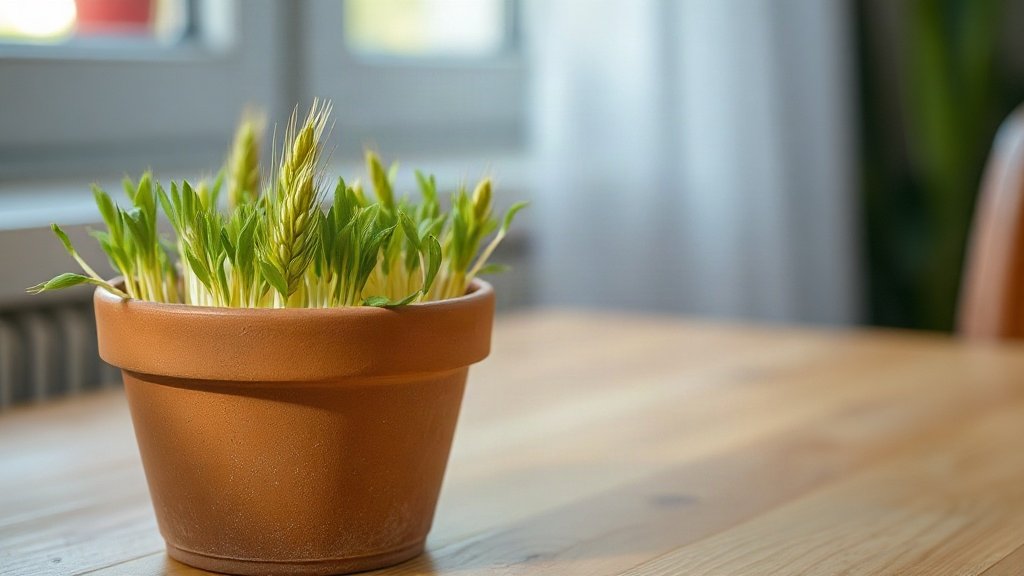
Illustration: AI-generated image
In many Croatian homes, the countdown to Christmas begins not with an advent calendar but with a small pot of soil and a handful of wheat seeds. Known as pšenica (or božićna pšenica, meaning Christmas wheat), this tradition involves planting wheat grains so that they sprout into a lush green tuft by Christmas Day. The practice is deeply rooted in agricultural heritage and carries layers of symbolism, from the Christian nativity to ancient fertility rites.
The Tradition and Its Origins
The custom of sowing wheat indoors in early December is widespread across Croatia, though it is especially cherished in the continental regions and along the coast. Typically, the seeds are planted on St. Lucy's Day, 13 December, which is twelve days before Christmas. This timing allows the wheat to grow tall enough—around 10 to 15 centimetres—by the time the holiday arrives.
Historically, the sprouting wheat was a promise of a good harvest in the coming year. In agrarian communities, farmers would sow a small amount of their seed stock as a kind of hopeful ritual. Over time, the practice merged with Christian symbolism: the green shoots represent the new life brought by Christ, and the wheat is often placed beneath the Christmas tree or beside the nativity scene to echo the bread of the Eucharist.
How to Plant and Care for Pšenica
Growing your own Christmas wheat is simple and requires only a few basic items. Here's a step-by-step guide:
- Choose a container: A shallow dish, small terracotta pot, or even a decorative bowl works well. Ensure it has drainage holes or use a layer of pebbles at the bottom.
- Fill with soil: Use ordinary potting soil, filling the container to about two-thirds full.
- Sow the seeds: Scatter wheat berries (available at health food shops or garden centres) densely over the soil surface. You can press them gently into the soil but do not bury them deeply.
- Water lightly: Moisten the soil with a spray bottle or a gentle stream of water, taking care not to flood the seeds.
- Place in a bright spot: Keep the container on a windowsill or another well-lit area, but avoid direct hot sunlight. Room temperature is ideal.
- Maintain moisture: Water every one or two days to keep the soil consistently damp but not soggy. The seeds should germinate within a few days, and the grass-like shoots will grow quickly.
For a more decorative touch, some people tie a red ribbon around the pot or place a candle in the centre once the wheat has grown tall. The bright green blades make a striking contrast with the usual red and gold Christmas decorations.
Symbolism and Modern Celebrations
The meaning of pšenica goes beyond simple decoration. The wheat's vigorous growth is seen as a sign of prosperity and vitality for the household. In some families, the height of the wheat on Christmas morning is playfully interpreted as a forecast for the next year's luck or abundance.
After the holidays, the wheat is often placed outdoors for birds to eat, or it may be buried in the garden as an offering of thanks. In recent years, the tradition has enjoyed a revival, with younger generations embracing it as a sustainable and meaningful way to connect with Croatian heritage. Whether you have roots in Croatia or simply appreciate seasonal customs, planting a pot of pšenica is a delightful way to bring a living symbol of hope into your home during the darkest time of the year.