A Guide to Sicanje: Croatia's Traditional Hand-Poked Tattoos
Discover the ancient tradition of sicanje, the hand-poked tattoos once worn by Catholic women across Croatia and Bosnia and Herzegovina. Learn about their history, symbolism, and where they can still be seen today.
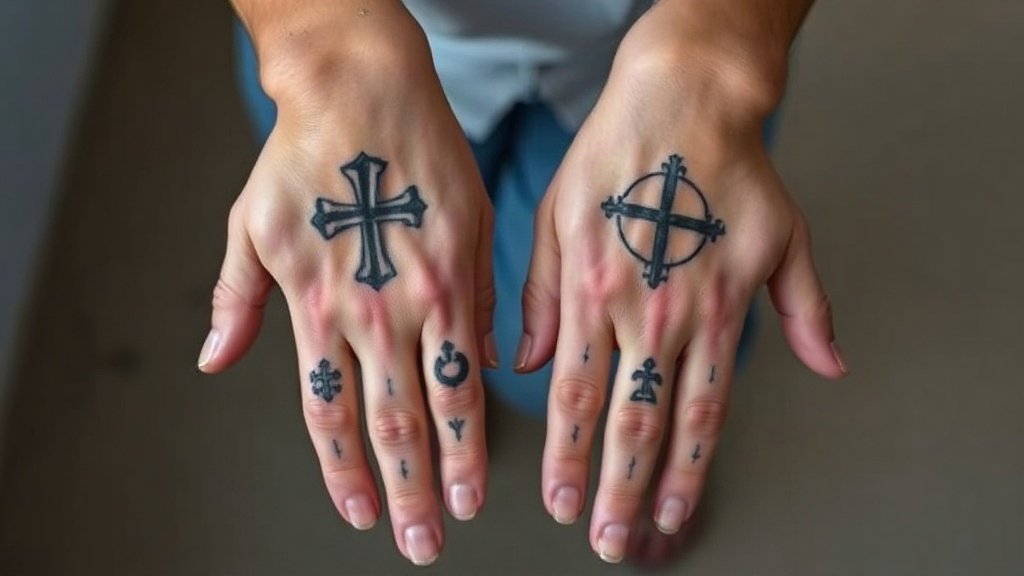
Illustration: AI-generated image
In the hills of Dalmatia and across the border in Bosnia and Herzegovina, an ancient form of body art has survived for centuries. Sicanje, also known as bocanje, is a traditional hand-poked tattooing practice that was once common among Catholic women in the region. The designs—simple crosses, circles, dots, and geometric shapes—were more than decoration; they were marks of faith, identity, and protection.
A tradition rooted in faith
Sicanje is believed to have originated during the Ottoman era, when Christian communities in the Balkans faced pressure to convert to Islam. By tattooing visible symbols of their faith on their hands, arms, and sometimes their foreheads, Catholic women ensured that even if they were taken captive or forced into marriage, their Christian identity would remain visible. The practice continued for generations, passed down from mother to daughter, and became a deeply ingrained part of local culture.
Symbols and patterns
The designs used in sicanje are simple and repetitive, created with a needle and a mixture of soot, charcoal, or ink. Common motifs include the cross, often surrounded by dots or lines, as well as circles representing the sun or eternity. More elaborate patterns might incorporate stars, rosettes, or stylised floral shapes. Each village had its own variations, and the tattoos often held personal or family significance. They were typically applied to the hands, wrists, forearms, and sometimes the chest.
The fading art of sicanje
By the mid-20th century, sicanje had begun to decline. Modernisation, emigration, and changing social norms led younger generations to abandon the practice. Today, only a handful of elderly women still bear the traditional tattoos, and very few practitioners remain who know how to create them in the traditional way. Recognising the risk that this precious tradition could disappear, UNESCO added sicanje to its List of Intangible Cultural Heritage in Need of Urgent Safeguarding in 2021.
Where to see sicanje today
While live examples are becoming rare, the legacy of sicanje is preserved in ethnographic museums and private collections across Croatia and Bosnia and Herzegovina. In Dalmatia, particularly around the towns of Imotski and Sinj, and in the Bosnian regions of Kraljeva Sutjeska and Kresevo, visitors may still encounter elderly women whose hands bear the faded blue-black lines of this ancient craft. Photographs and documentation also help to keep the memory alive, and occasional exhibitions introduce the tradition to new audiences.
For those interested in Croatian folk culture, sicanje offers a poignant window into a world where the body itself became a canvas for faith and resilience. Though the practice may soon fade entirely, its story remains a powerful reminder of the region's complex history.