A Guide to Croatian Olive Oil: How to Choose and Use It
Learn how to select, taste and enjoy Croatia's liquid gold, from Istrian to Dalmatian varieties, and discover its many everyday uses.
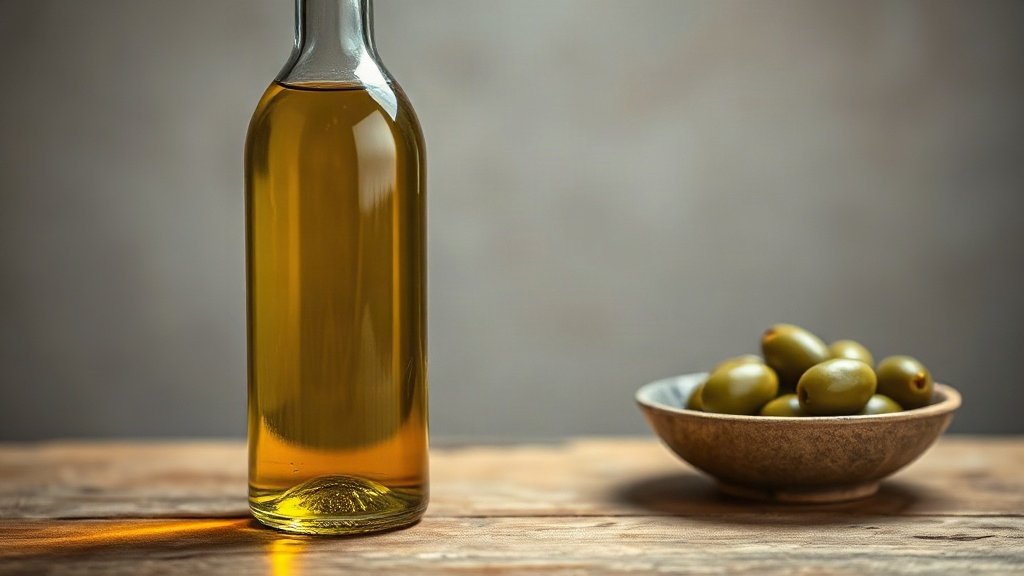
Illustration: AI-generated image
Olive oil is more than just an ingredient in Croatia—it is a cornerstone of daily life, drizzled over salads, used for cooking, and savoured with fresh bread. With a tradition stretching back to ancient Greek and Roman times, Croatian olive oil is prized for its quality and distinct regional character. Whether you are a newcomer or a long-time resident, understanding this liquid gold will enrich your kitchen and your appreciation of local food culture.
Types of Croatian Olive Oil
Most olive oil sold for consumption falls into two categories: extra virgin and virgin. Extra virgin olive oil (EVOO) is the highest grade, made from cold-pressed olives without chemicals or excessive heat, and must meet strict standards for acidity and flavour. Virgin olive oil is slightly lower in quality but still suitable for everyday cooking. Avoid oils labelled simply "olive oil" or "pomace oil" for finishing dishes, as they are refined and lack the characteristic taste.
Regional Varieties
Croatia's olive-growing regions each have their own signature cultivars. In Istria, the most common varieties are Istarska bjelica, Buža, and Leccino, producing oils that are often grassy, peppery, and slightly bitter, with aromas of green tomato and artichoke. Dalmatian oils, made from Oblica, Lastovka, and Drobnica, tend to be milder and fruitier, with notes of ripe olives and herbs. Island oils, such as those from Brač, Hvar, and Korčula, often balance bitterness and pungency with a smooth, buttery finish.
How to Taste Olive Oil
Tasting olive oil is similar to tasting wine, but with a few tweaks. Pour a small amount into a small glass, cup it in your hand to warm it, and swirl to release aromas. Inhale deeply, then take a sip and aerate it by slurping—this spreads the oil across your palate. High-quality EVOO should have a degree of bitterness and a peppery sensation at the back of the throat, which indicates healthy polyphenols. Colour is not an indicator of quality; oils can range from deep green to golden yellow depending on the variety and harvest time.
How to Store Olive Oil
To preserve flavour and health benefits, store olive oil in a dark glass bottle or tin, away from light, heat, and air. Keep it in a cool cupboard rather than next to the stove. Once opened, use within three to six months for the best taste. Properly stored, unopened oil can last up to two years from harvest.
Everyday Uses
In Croatian kitchens, olive oil is used liberally. Drizzle extra virgin over cooked vegetables, salads, and grilled fish, or blend it into soups just before serving. Use it for sautéing and roasting at moderate temperatures; for high-heat frying, a lighter refined oil is better. It is also excellent for baking cakes and bread, and for preserving foods like sun-dried tomatoes and cheese. Many locals enjoy a simple breakfast of fresh bread dipped in olive oil and sprinkled with salt.
Buying Tips
When shopping, look for oils with a harvest date on the label—freshness matters more than a "best before" date. Seek out regional designations such as Protected Designation of Origin (PDO) or Protected Geographical Indication (PGI), which guarantee authenticity. Buying directly from local producers at farmers' markets or from small shops is a rewarding way to discover your favourite. Trust your palate: the best oil is the one you enjoy most.