How to Make Orahnjača: Croatia's Traditional Walnut Roll
A step-by-step guide to baking orahnjača, the beloved Croatian yeast cake filled with sweetened ground walnuts. Perfect for festive gatherings or weekend baking.
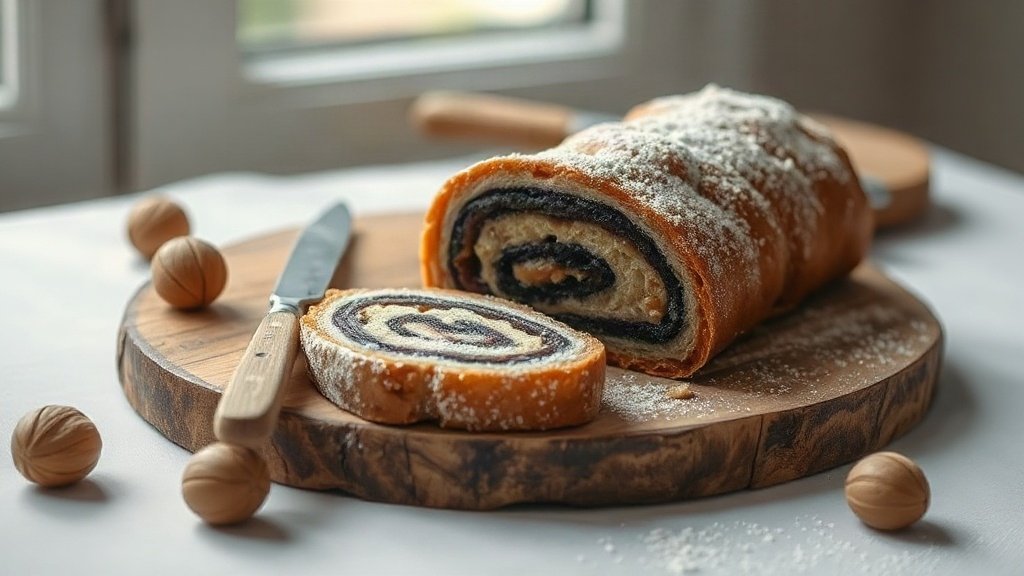
Illustration: AI-generated image
Orahnjača (sometimes called orehnjača in northern Croatia) is a classic festive cake found in homes across the country, especially around Christmas and Easter. It consists of a soft, lightly sweetened yeast dough rolled around a generous filling of ground walnuts, sugar, milk and sometimes raisins or rum. While shop-bought versions exist, nothing beats a homemade loaf, and the process is simpler than you might think.
What You'll Need
For one large loaf, gather the following ingredients. Quantities are flexible; some families prefer a richer filling or a thinner dough.
- For the dough: 500 g plain flour, 7 g dried yeast, 250 ml warm milk, 60 g sugar, 80 g melted butter, 2 egg yolks, a pinch of salt, zest of half a lemon (optional).
- For the filling: 300 g ground walnuts, 150 g sugar, 150 ml milk, 50 g butter, 1 teaspoon vanilla extract, 2 tablespoons rum or 50 ml warm water, 1 egg white (optional, for lighter filling), a handful of raisins soaked in rum (optional).
- For brushing: 1 egg yolk mixed with a splash of milk.
Step-by-Step Method
- Prepare the dough. Dissolve the yeast in half of the warm milk with a teaspoon of sugar and a tablespoon of flour. Leave for 10 minutes until frothy. In a large bowl, combine the flour, remaining sugar and salt. Make a well, add the yeast mixture, remaining milk, melted butter, egg yolks and lemon zest. Knead for about 10 minutes until smooth and elastic. Cover and let rise in a warm place for 1–1.5 hours, or until doubled in size.
- Make the filling. Heat the milk and butter in a saucepan until the butter melts. Remove from heat and stir in the sugar until dissolved. Add the ground walnuts, vanilla, rum or water, and raisins if using. Mix until you have a spreadable paste. If it’s too thick, add a little more milk. If you like a lighter filling, fold in a stiffly beaten egg white.
- Shape the loaf. On a floured surface, roll the dough into a rectangle about 40 x 30 cm. Spread the walnut filling evenly, leaving a 2 cm border on all sides. Roll up tightly from the longer side, pinching the seam and tucking the ends under. Place seam-side down on a baking tray lined with parchment paper. Cover and let rise for another 30–40 minutes.
- Bake. Preheat the oven to 180°C. Brush the loaf with the egg yolk and milk mixture. Prick the top several times with a skewer to allow steam to escape. Bake for 35–45 minutes until golden brown and the loaf sounds hollow when tapped. If it browns too quickly, cover loosely with foil.
- Cool and serve. Let the orahnjača cool on a wire rack before slicing. It can be served warm or at room temperature, dusted with icing sugar if desired.
Tips for Success
- Use freshly ground walnuts if possible; they have more flavour and natural oil.
- Don't skip the second rise; it ensures a light, airy crumb.
- If the filling seems dry while spreading, moisten with a little warm milk.
- For a shiny finish, brush the loaf again with melted butter as soon as it comes out of the oven.
- Orahnjača freezes well. Wrap tightly in foil and freeze for up to three months; thaw at room temperature.
Serving Suggestions
Orahnjača is typically enjoyed with a cup of coffee or tea, often as a dessert after a family lunch. It is a staple on Christmas and Easter tables, but many households also bake it for birthdays or Sunday gatherings. Slices are slightly sweet, with a dense, nutty center and soft bread-like texture. A dusting of icing sugar adds a festive touch.