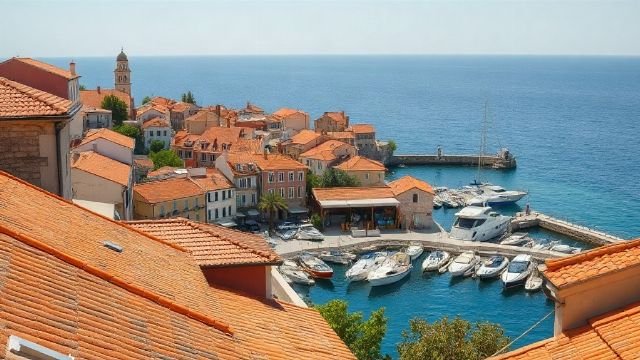
Living in a Traditional Stone House in Croatia: What to Expect
Stone houses are a hallmark of Croatian architecture, especially along the coast. Here is what you need to know if you are considering living in one.
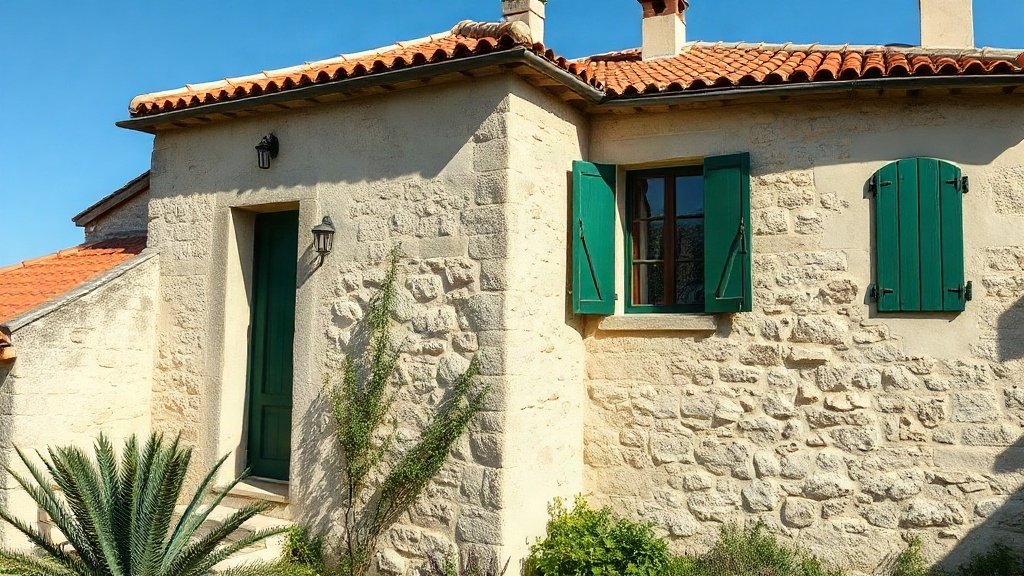
Illustration: AI-generated image
If you have ever wandered through a Dalmatian village or an Istrian hilltop town, you have likely admired the rustic charm of traditional stone houses. These centuries-old homes, built from local limestone, are not just picturesque – they are a way of life that many expats and locals still choose today. But what is it really like to live in one? Here is a practical guide to the joys and challenges of stone house living in Croatia.
Thick Walls, Cool Summers
The most celebrated feature of a stone house is its thick walls, often 50 to 80 centimetres deep. These walls provide excellent thermal mass: they absorb heat during the day and release it slowly at night. In summer, this means the interior stays pleasantly cool without air conditioning, a huge advantage along the hot Adriatic coast. In winter, however, the same walls can make the house feel cold if not properly heated, as they take a long time to warm up.
Moisture and Ventilation
Stone is porous, so dampness can be a persistent issue, especially in ground-floor rooms that are built directly on rock or soil. You may notice musty smells, peeling paint, or even salt efflorescence on walls. The best defence is regular ventilation – open windows daily, even in winter – and the use of dehumidifiers if needed. Many owners also apply breathable lime plaster or special waterproof coatings to exterior walls to reduce moisture ingress.
Modern Comforts in an Old Shell
Most stone houses have been renovated to include modern plumbing, electricity, and heating. Underfloor heating works well with stone floors, as it provides even warmth and combats the cold feel of the stone. If you are buying or renting an older property, check for insulation, window quality, and the condition of the roof. Some houses have original wooden beams that add character but may need treatment against woodworm.
Outdoor Living and Garden Space
Stone houses often come with a small courtyard, terrace, or garden, which extends your living space in the warmer months. A shaded terrace with a grapevine or bougainvillea is the perfect spot for morning coffee or evening meals. If you have a garden, you can grow Mediterranean herbs like rosemary, lavender, and sage – they thrive in the rocky soil and need little water.
Practical Considerations
Living in a stone house is not for everyone. Stairs can be steep and narrow, doorways low, and storage space limited. Noise insulation between floors may be minimal if the original structure is intact. Maintenance costs can also be higher due to the specialised skills needed for stone repairs. However, many residents find the aesthetic appeal, historical connection, and natural temperature regulation well worth the trade-offs.
If you are drawn to the idea of waking up in a centuries-old stone home with views of the sea or olive groves, Croatia offers plenty of opportunities. Just be prepared to embrace a slower pace and the occasional quirk that comes with living in a piece of history.