Franchising in Croatia: What You Need to Know Before Expanding
Explore how the franchise model works in Croatia, from legal requirements to market opportunities, with practical tips for both franchisors and franchisees.

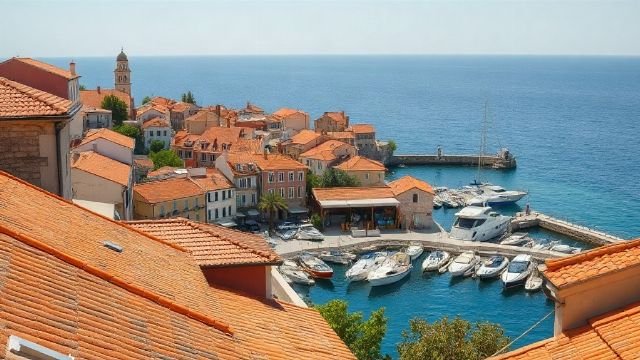
Illustration: AI-generated image
Franchising has become an increasingly popular route for business expansion in Croatia, offering a way for international brands to enter the market and for local entrepreneurs to operate proven business models. The country’s growing economy, strategic location in Southeast Europe, and accession to the European Union have made it an attractive destination for franchise development. However, navigating the franchise landscape requires an understanding of both the legal environment and local business culture.
Legal Framework
Croatia does not have a dedicated franchise law. Instead, franchise agreements are governed by general contract law, as well as specific regulations related to competition, intellectual property, and consumer protection. The Obligations Act (Zakon o obveznim odnosima) forms the basis for contractual relations, including franchise contracts. Parties are free to negotiate terms as long as they do not violate mandatory provisions. Key aspects such as fees, territorial rights, training, and operational standards must be clearly defined in the agreement. It is advisable to seek legal counsel experienced in commercial contracts to ensure compliance and avoid potential disputes.
Intellectual property rights, particularly trademarks and know-how, are crucial in franchising. Croatia has aligned its IP laws with EU directives, providing robust protection for franchisors. Registering trademarks with the State Intellectual Property Office is essential before entering into any franchise arrangement. Additionally, competition law, which follows EU regulations, may apply to franchise agreements if they contain restrictive clauses, so careful drafting is necessary.
Key Considerations for Franchisors
For international franchisors considering Croatia, market research is fundamental. The country’s consumer market is relatively small (just under 4 million people), but it has a strong tourism sector that boosts demand for food and beverage, retail, and hospitality franchises. Urban areas like Zagreb, Split, and Rijeka offer the highest concentration of potential customers. Franchisors should assess the adaptability of their concept to local tastes and preferences. Partnering with a master franchisee or area developer can help navigate cultural nuances and regulatory requirements.
Another important consideration is the selection of franchisees. Due diligence on financial capability, business experience, and local market knowledge is essential. The franchise agreement should include clear performance criteria, termination clauses, and dispute resolution mechanisms. Given the relatively small market, exclusivity terms need to be balanced to avoid oversaturation.
Key Considerations for Franchisees
Prospective franchisees in Croatia should thoroughly evaluate the franchisor’s track record and the viability of the concept in the local context. Review the Franchise Disclosure Document (or equivalent information) carefully, including initial fees, ongoing royalties, and required investments. It is wise to speak with existing franchisees in other countries to understand potential challenges. Croatian banks and financial institutions are generally supportive of franchise businesses, but a solid business plan is necessary to secure financing.
Understanding the local labour market and real estate options is also critical. Finding suitable commercial space in prime locations can be competitive, especially in tourist areas. Employment regulations, including minimum wage and working hours, must be adhered to. Franchisees should also be aware of VAT and corporate income tax obligations, which are standard across the EU.
Common Challenges
One challenge is the relative novelty of franchising compared to more mature markets; some potential business partners may be less familiar with the model. This underscores the need for clear communication and education. Additionally, economic fluctuations and seasonal demand (especially in coastal regions) can affect revenue predictability. Franchisors and franchisees should build flexibility into their business plans. Finally, the lack of a specific franchise law means that disputes may take longer to resolve, so alternative dispute resolution methods like arbitration are often preferred.
Conclusion
Franchising in Croatia offers genuine opportunities but requires careful planning and local expertise. By understanding the legal landscape, conducting thorough due diligence, and adapting to market conditions, both franchisors and franchisees can build successful and sustainable businesses. As the market continues to evolve, early entrants who establish strong brands and operational standards may reap significant rewards.