A Slow Guide to Zadar: Dalmatia's Historic Coastal Hub
Zadar is a city of Roman ruins, medieval churches and two extraordinary modern art installations by the sea. Here's how to make the most of a visit.
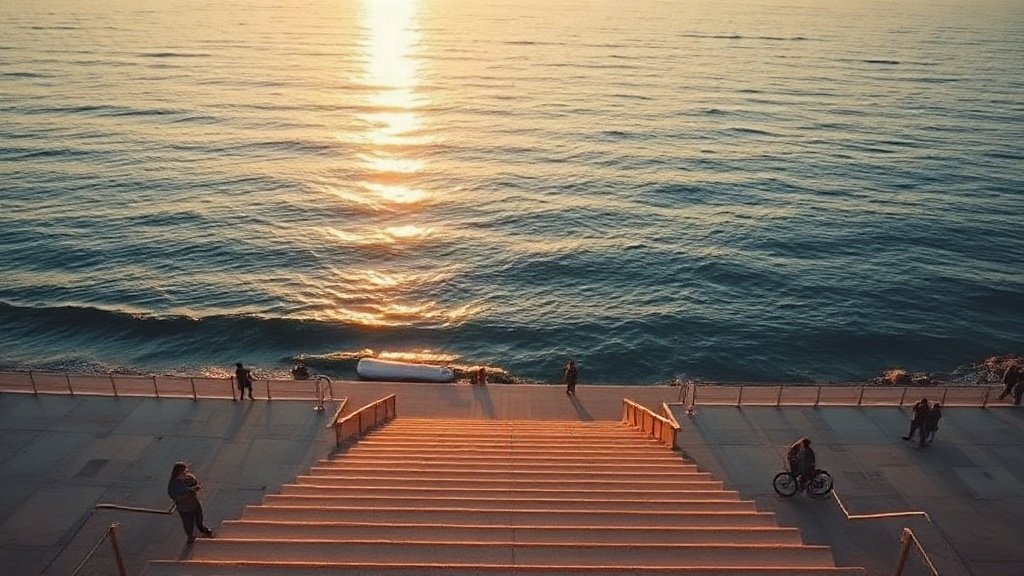
Illustration: AI-generated image
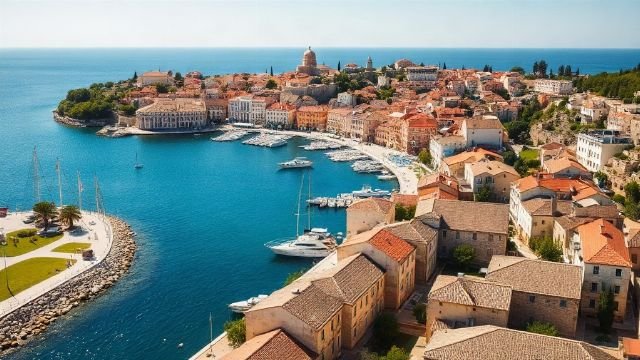
Zadar sits on a peninsula on Croatia's northern Dalmatian coast, a city where the ancient and the avant-garde sit comfortably side by side. Its compact old town is a warren of marble streets, Roman remnants and medieval churches, while the seafront hosts two of the most original pieces of public art in the country. With easy access to islands, national parks and long pebble beaches, Zadar makes a superb base for exploring the region at a relaxed pace.
Historic heart
The old town's centrepiece is the Roman Forum, built between the 1st century BC and the 3rd century AD. Today only fragments of columns and paving remain, but the space still forms a lively public square. Beside it stands the Church of St Donatus, a round, pre-Romanesque structure from the 9th century that has become a symbol of the city. Its unusual cylindrical shape and sturdy walls are best appreciated from the outside; inside, the acoustics are often praised during summer music events.
Nearby, the Cathedral of St Anastasia is the largest church in Dalmatia, with a Romanesque facade and a bell tower you can climb for sweeping views. The old town's main thoroughfare, Kalelarga, has welcomed traders and strollers for centuries and remains the place to see and be seen. For a quieter stroll, follow the city walls towards the Land Gate, an ornate Renaissance entrance adorned with the Venetian lion, or relax in Five Wells Square, where five 16th-century wellheads tell of the city's resilience during sieges.
Modern marvels
On the western tip of the peninsula, architect Nikola Bašić has created two installations that have transformed Zadar's relationship with the sea. The Sea Organ consists of marble steps descending into the water, with tubes beneath that produce gentle, random chords as waves push air through them. It is never the same twice, and the sound has a hypnotic, meditative quality that draws crowds at sunset.
A few steps away, the Greeting to the Sun is a 22-metre circular disc made of photovoltaic cells. By day it absorbs sunlight; after dusk it glows with shifting patterns of coloured light while the Sea Organ plays. Together they turn the seafront into an open-air concert of light and sound, and they have become the city's most photographed landmarks.
Beyond the city
Zadar's beaches are mostly pebble or concrete platforms, but the water is famously clear. Kolovare Beach is a short walk south of the old town, while Borik Beach, further north, offers sandier patches and shallow waters good for families. For a change of scene, take a short ferry ride to the island of Ugljan, known for its olive groves and quiet fishing villages, or continue to Pašman for even less development.
Day trips further afield include the Kornati archipelago, a national park of more than 80 mostly uninhabited islands, and Paklenica National Park, with its dramatic limestone canyons. Both are well served by boat or bus from Zadar.
Zadar's cuisine reflects its coastal position: fresh seafood, grilled fish, and local specialities like Pag cheese and maraschino, a cherry liqueur made in the city since the 16th century. Wandering the streets, you will find konobas serving simple, honest food, often with a sea view.
Getting to Zadar is straightforward. The city has an international airport with connections across Europe, and the bus station links it to Zagreb, Split and other Croatian towns. Once there, everything in the old town is walkable, and bicycle rental is popular for exploring the wider area. The best times to visit are late spring and early autumn, when the weather is warm but the summer crowds have thinned.