A Slow Guide to Risnjak National Park: Croatia's Mountain Wilderness
Tucked away in the forested mountains of Gorski Kotar, Risnjak National Park offers peaceful hiking, rare wildlife and unspoiled scenery far from Croatia's busy coast.
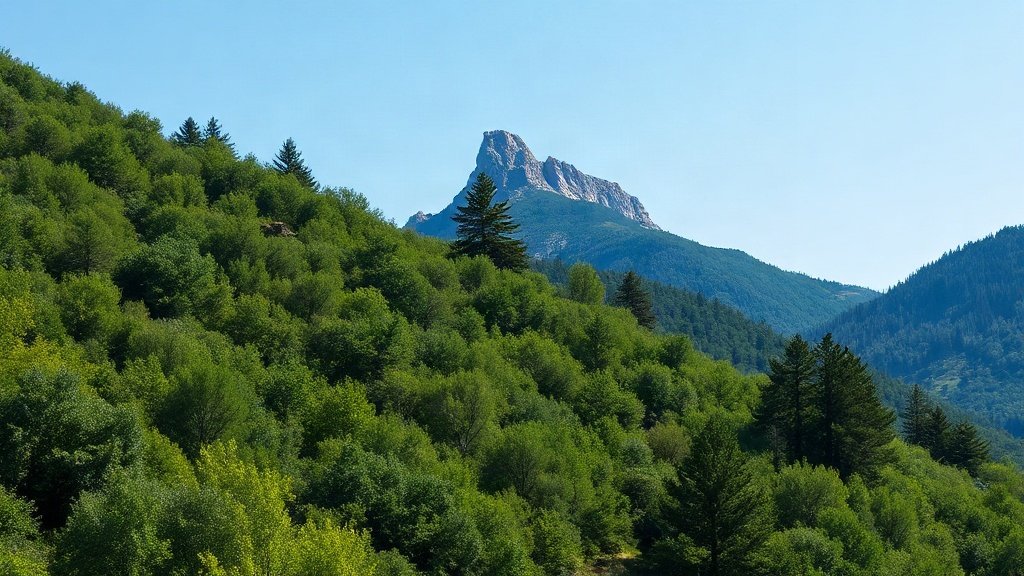
Illustration: AI-generated image
Tucked away in the forested mountains of Gorski Kotar, Risnjak National Park offers a peaceful escape into Croatia's wild heart. Named after the lynx that roams its slopes, this park is a haven for hikers, nature lovers and anyone seeking crisp mountain air and unspoiled scenery.
Where is Risnjak?
Risnjak sits in the north-west of Croatia, close to the border with Slovenia and just a short drive from the coast. The nearest town is Delnice, and the main entrances are at Crni Lug and Bijela Vodica. The park covers over 60 square kilometres of dense forest, karst peaks and hidden meadows.
Why visit?
Unlike Croatia's famous coastal parks, Risnjak feels remote and tranquil. The landscape is dominated by the eponymous massif, with Veliki Risnjak (1,528 m) as its highest point. The park is part of the Dinaric Alps and forms a bridge between the Alps and the Balkan mountains. Its forests are among the best preserved in Europe, home to brown bears, wolves, lynx, red deer and numerous bird species.
Hiking trails
Risnjak offers a network of well-marked trails for all levels. The most popular route leads from the main mountain hut below the summit to the top of Veliki Risnjak, a steady climb through beech and fir forest that opens out to panoramic views of the Kvarner Bay and the Julian Alps on a clear day. For a gentler stroll, the Leska educational trail follows the source of the River Kupa, which begins its journey here.
Flora and fauna
The park's diverse habitats support a rich variety of plant and animal life. Over 1,000 plant species have been recorded, including rare alpine flowers and endemic Dinaric species. Wildlife enthusiasts may spot red deer, chamois, wild boar and, with luck, traces of the elusive lynx, wolf or bear. Early morning and dusk are the best times for wildlife watching.
Practical tips
The best time to visit is from late spring to early autumn, when the weather is mild and the trails are dry. Winter brings deep snow, making the park suitable only for experienced hikers with proper equipment. Wear sturdy footwear and bring layers, as mountain weather can change quickly. There is no public transport within the park, so a car is the easiest way to reach the entrances.
Whether you come for a day hike or a longer stay, Risnjak rewards those who take the time to explore its quiet forests and rocky summits.