A Slow Guide to Zagreb's Upper Town: Medieval Streets and City Views
From St. Mark's tiled roof to the noon cannon, the historic heart of Croatia's capital rewards those who wander slowly.
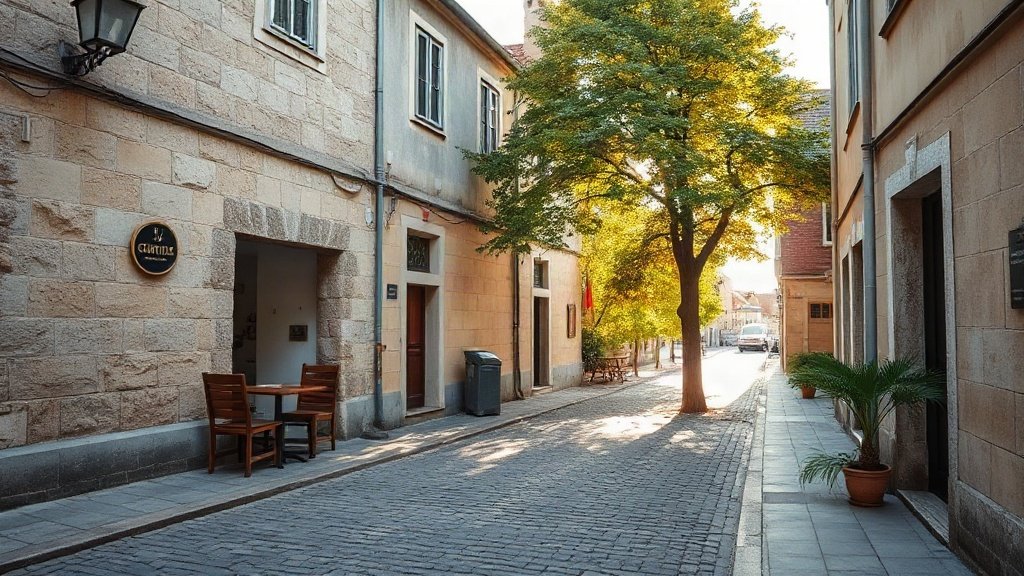
Illustration: AI-generated image
High above the bustling streets of Croatia's capital lies a different Zagreb. The Upper Town, known locally as Gornji Grad, is a quiet network of cobbled lanes, medieval churches and hidden courtyards that feels far removed from the modern city below. Spread across two historic hills, Gradec and Kaptol, this is where the city was born and where its character still shines.
A Tale of Two Hills
Gradec, the secular settlement, was granted a royal charter in the 13th century and retains its defensive layout. Kaptol, on the neighbouring hill, grew around the cathedral and was the ecclesiastical centre. Today they form one continuous historic zone, but their distinct origins are still visible in the architecture and street patterns.
Key Sights to Wander Between
At the heart of Gradec is St. Mark's Square, dominated by the parish church of the same name. Its colourful tiled roof, depicting the coats of arms of Croatia, Dalmatia and Slavonia alongside the emblem of Zagreb, is one of the city's most photographed sights. Nearby, the Lotrščak Tower has stood since the 13th century; every day at noon, a cannon is fired from its upper window, a tradition that dates back over a hundred years.
Just below the tower, the Strossmayer Promenade offers a leafy walkway with views over the red rooftops of the Lower Town. Chestnut trees shade the path, and in warmer months the area hosts open-air events and art installations. Walk west and you'll find the Stone Gate, the only remaining gate from the old town walls. Inside, a small chapel houses a revered painting of the Virgin Mary, and the space is often filled with the glow of candles and the quiet of prayer. Continuing south, the funicular railway connects the Upper and Lower Towns, but the short climb up the neighbouring stairway offers a more atmospheric approach.
On Kaptol, the twin spires of Zagreb Cathedral dominate the skyline. The neo-Gothic structure, rebuilt after the 1880 earthquake, is the tallest building in Croatia. Its surrounding square and the nearby Ribnjak Park offer peaceful pauses.
Exploring on Foot
The Upper Town is best enjoyed without a fixed route. Let the lanes lead you past baroque facades, tiny museums and artisan workshops. The area is compact, so you can cover the highlights in a few hours, but lingering over a coffee on a sunny terrace or catching the sunset from one of the viewpoints rewards a slower pace.
For those who prefer structure, start at the funicular lower station, ride or walk up, visit Lotrščak Tower and St. Mark's Church, then meander through the Stone Gate and down to the cathedral. The whole loop takes about two hours at a gentle amble.
Practical Tips
The Upper Town is pedestrian-friendly, with uneven cobbles in places, so comfortable shoes are essential. Morning light brings fewer crowds to the main squares, while late afternoon offers softer colours for photography. The area is accessible by public transport from the main square, Ban Jelačić, and there are plenty of cafes and restaurants tucked into the old streets.
Whether you're visiting Zagreb for a day or using it as a base for exploring Croatia, the Upper Town provides a gentle introduction to the country's layered history and everyday charm.