Rožata: A Guide to Croatia's Traditional Dalmatian Custard Pudding
Discover rožata, the creamy caramel-topped custard that is a beloved dessert along the Dalmatian coast, with roots in Mediterranean and Venetian culinary traditions.
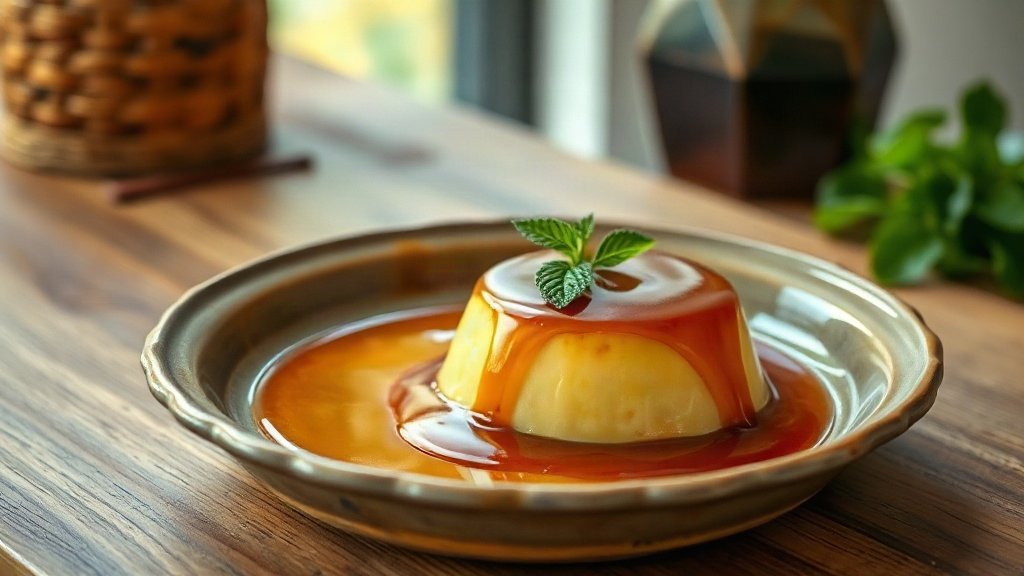
Illustration: AI-generated image
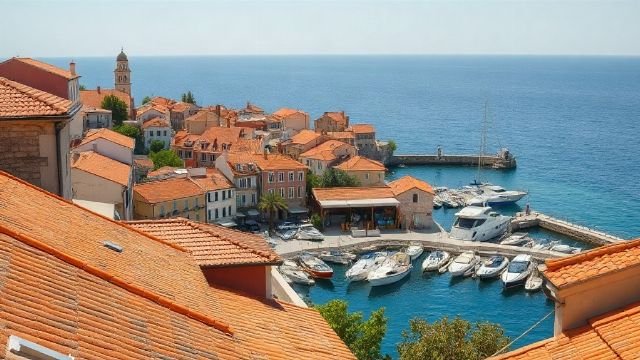
If you have a sweet tooth and find yourself wandering the sun-drenched streets of Dalmatia, you will soon encounter a dessert that embodies the region's culinary soul: rožata. This silky custard, topped with a glistening layer of caramel, is a staple at family gatherings, konobas and festive meals.
What is rožata?
Rožata (sometimes spelled rozata or rožada) is a baked custard dessert, similar to crème caramel or flan, but with a distinctly Dalmatian character. The base is a smooth mixture of eggs, milk and sugar, gently baked in a water bath until just set. What sets rožata apart is the addition of a local liqueur—traditionally rose liqueur (known as rozulin), though some versions use Maraschino or even a touch of lemon zest. This gives the custard a delicate floral aroma that lingers on the palate.
Once baked and cooled, the rožata is inverted onto a plate, allowing the amber caramel sauce to cascade over the pale custard. The contrast between the bittersweet caramel and the creamy, fragrant custard is what makes it so memorable.
A dessert with history
Like many dishes along the Adriatic, rožata reflects centuries of cultural exchange. Its roots are often traced to Venetian and wider Mediterranean influences, when custard-based desserts were popular in noble kitchens. Over time, Dalmatian cooks made it their own, using local ingredients and the region's beloved rose liqueur. Today, it is considered a classic of Dalmatian home cooking, often served for Sunday lunches, weddings and holidays.
Because the recipe is simple but requires patience—careful tempering of eggs, a slow bake and a proper caramel—rožata is a dish that many families pass down through generations. Every household may have a slight variation, but the essence remains the same: a comforting, elegant sweet that celebrates local flavours.
How to enjoy rožata
The best way to appreciate rožata is to enjoy it as the locals do: at the end of a leisurely meal, preferably with a small glass of prošek or a strong espresso. The dessert is served chilled, often in individual portions, and its silky texture pairs beautifully with the slight bitterness of coffee.
If you are visiting Dalmatia, you will find rožata on the dessert menus of many traditional restaurants, especially in cities like Dubrovnik, Split, Zadar and Šibenik. It is also a common sight at family-run agritourisms and during village feasts. When ordering, do not be surprised if it arrives looking unassuming—one spoonful will reveal its rich, perfumed character.
For those who like to cook, making rožata at home is a rewarding project. The key is to use good-quality eggs and milk, and to caramelise the sugar to a deep amber without burning it. The liqueur is essential for authenticity; if rose liqueur is hard to find, a few drops of rose water can be a substitute, though the flavour will be slightly different.
Rožata is more than just a dessert; it is a taste of Dalmatia's history and hospitality. Whether you try it in a bustling coastal town or a quiet village konoba, it is sure to leave a sweet impression.