How to Open a Restaurant or Café in Croatia: A Practical Guide
From licensing to location, here’s what you need to know about starting a food and beverage business in Croatia.
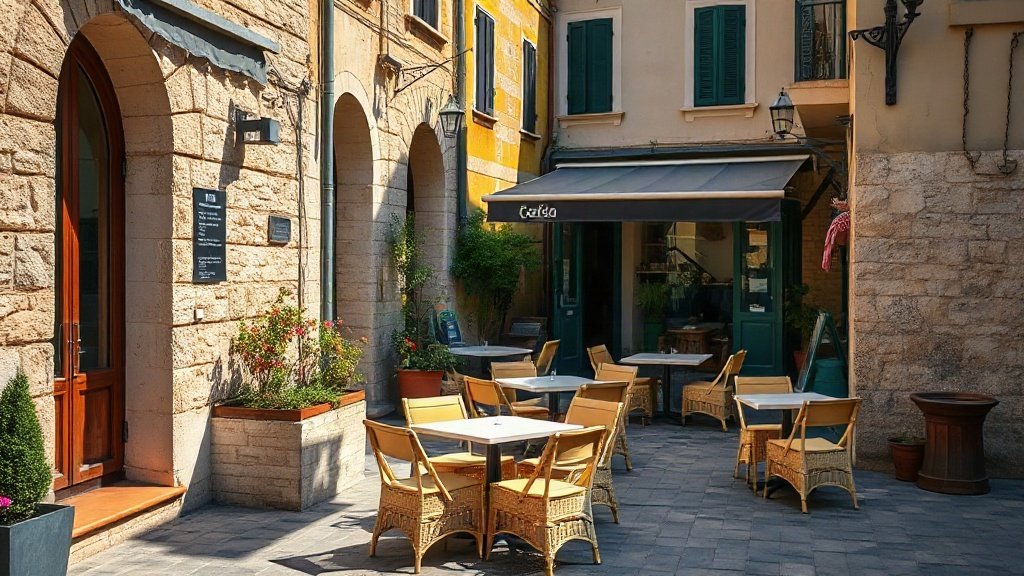
Illustration: AI-generated image
Croatia’s vibrant tourism industry and growing culinary scene make it an attractive destination for entrepreneurs looking to open a restaurant or café. However, navigating the legal and practical aspects of setting up a food and beverage business requires careful planning. This guide outlines the essential steps and considerations for launching a successful hospitality venture in Croatia.
Understanding the Legal Framework
Before opening a restaurant or café, you must establish a legal business entity. Most hospitality businesses in Croatia operate as a limited liability company (d.o.o.) or a sole proprietorship (obrt). Each structure has different tax obligations, liability, and administrative requirements. Consulting with a local accountant or lawyer is advisable to determine the best fit for your situation.
Choosing the Right Location
Location is critical in the hospitality industry. Consider factors such as foot traffic, visibility, proximity to tourist attractions, and local competition. Coastal cities like Split and Dubrovnik attract seasonal tourists, while Zagreb offers year-round customers. Be aware of zoning regulations, as certain areas may have restrictions on commercial activities, especially in historic centres. Leasing a property often requires negotiating terms with the landlord and may involve a deposit.
Health and Safety Requirements
Food safety is strictly regulated in Croatia. You must comply with the HACCP (Hazard Analysis and Critical Control Points) system, which involves identifying potential hazards and implementing control measures. Your premises must meet specific hygiene standards, including proper ventilation, waste disposal, and pest control. Regular inspections by sanitary authorities will ensure ongoing compliance.
Licensing and Permits
Several permits are required before opening. You will need a business licence from the local municipal authority, a health and safety certificate, and possibly an alcohol licence if you intend to serve alcoholic beverages. If you plan to have outdoor seating, you may need additional permission for the use of public space. The process can be time-consuming, so start early and consider hiring a local consultant to expedite the paperwork.
Staffing and Employment
Hiring qualified staff is essential. Croatia has specific labour laws regarding employment contracts, working hours, and minimum wage. In tourist areas, seasonal employment is common, but you must comply with regulations for temporary contracts. Language skills—both Croatian and English—are often valued in the hospitality sector. Training your staff on customer service and food safety is crucial for maintaining standards.
Practical Tips for Success
To stand out in a competitive market, focus on offering high-quality local ingredients and authentic Croatian dishes or unique café concepts. Building relationships with local suppliers can ensure a steady source of fresh produce. Marketing through social media and online review platforms is increasingly important. Finally, be prepared for seasonal fluctuations; many businesses in coastal areas close during the winter months, while those in urban centres may need to adapt their menus and promotions year-round.
Opening a restaurant or café in Croatia is a rewarding endeavour that requires thorough preparation. By understanding the legal framework, choosing the right location, and prioritising quality and compliance, you can set the foundation for a thriving hospitality business.