A Guide to the Rijeka Carnival: Croatia's Biggest Party
Dive into the exuberant world of the Rijeka Carnival, one of Europe's largest and most colourful festivals, with roots that stretch back centuries.
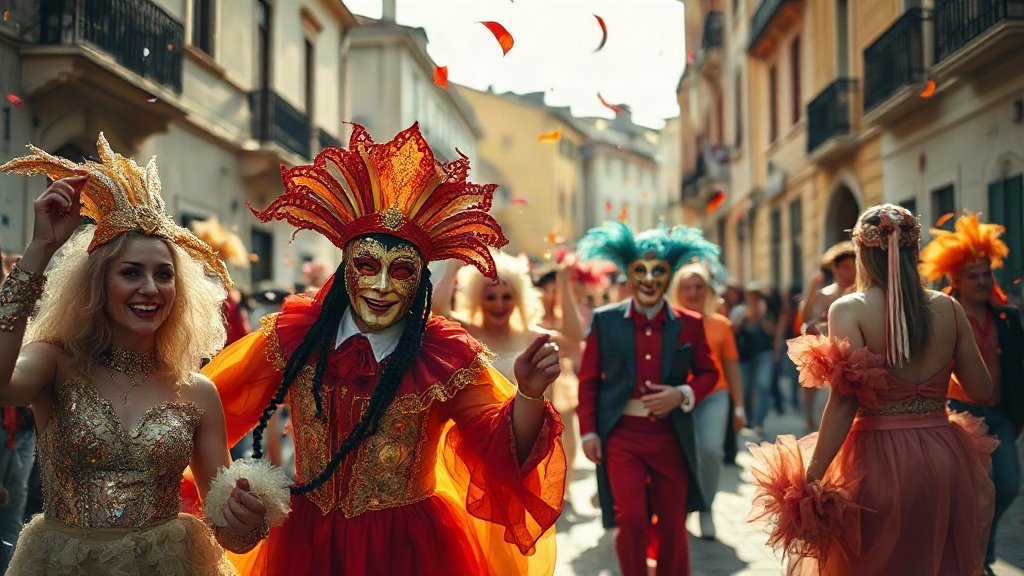
Illustration: AI-generated image
Every year, as winter begins to loosen its grip, the streets of Rijeka explode in a riot of colour, music, and merry mayhem. The Rijeka Carnival is not just a local celebration; it is one of the largest and most spectacular carnivals in Europe, drawing tens of thousands of participants and spectators from across the globe.
What makes this event so special is its unique blend of ancient pagan customs, medieval pageantry, and modern-day revelry. Whether you are a first-time visitor or a seasoned carnival-goer, the Rijeka Carnival offers an unforgettable experience that captures the very essence of Croatian joie de vivre.
A tradition with deep roots
Carnival traditions in the Rijeka region date back centuries, with roots in pre-Christian rituals that celebrated the end of winter and the coming of spring. The modern incarnation of the Rijeka Carnival began in 1982, when a small group of enthusiasts revived the tradition, and it has grown steadily ever since. Today, it is a major event on the European carnival calendar, often compared to those in Venice and Rio de Janeiro.
The carnival season officially kicks off on 17 January, the feast day of St. Anthony, when the city's mayor hands over the symbolic keys of the city to the Carnival Master. From that moment, the city is ruled by the spirit of fun and mischief, culminating in the grand finale on Ash Wednesday, when a puppet known as the Pust is ceremonially burned to symbolise the end of the carnival and the beginning of Lent.
What to expect at the carnival
The heart of the Rijeka Carnival is the International Carnival Parade, held on the Sunday before Ash Wednesday. This spectacular procession winds through the city's main streets, featuring elaborately decorated floats, thousands of costumed participants, and lively music from traditional brass bands and modern DJs.
One of the most iconic sights is the group of zvončari (bell ringers) from the nearby village of Halubje. Dressed in sheepskin and wearing large bells around their waists, they dance and leap through the streets, their bells creating a deafening yet mesmerising rhythm. Other traditional groups include the maškare (masked revellers), who often wear humorous or satirical costumes that poke fun at current events and public figures.
Children have their own parade, usually held the previous Saturday, while numerous parties, concerts, and masked balls take place throughout the city during the carnival period. The atmosphere is inclusive and joyful, with locals and visitors mingling freely, many in costume themselves.
Planning your visit
The Rijeka Carnival is a winter event, so be prepared for cool and possibly wet weather. Wear comfortable shoes, as you will be on your feet for hours, and consider dressing in layers. While many spectators simply watch the parade, joining in the fun by wearing a mask or costume is highly encouraged and will make your experience even more memorable.
Accommodation in Rijeka fills up quickly during the carnival period, so it is wise to book well in advance. The city is easily accessible by road, rail, and air, with Rijeka Airport located just a short drive from the centre. For specific dates and event schedules, check local listings or the official tourist board website, as these vary from year to year.
Whether you come for the spectacle, the music, or simply to escape the winter blues, the Rijeka Carnival is a celebration of life that will leave you smiling long after the last bell has rung.