Mlinci: A Guide to Croatia's Traditional Baked Pasta Sheets
Discover mlinci, Croatia's unique baked pasta sheets, a beloved side dish from the northern regions that turns simple roast meats into a feast.
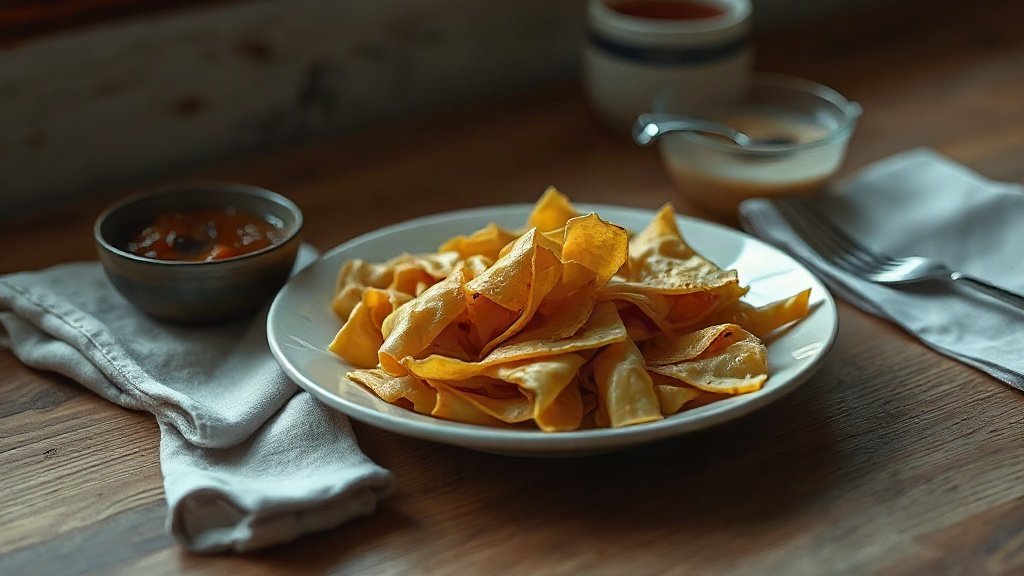
Illustration: AI-generated image
If you've ever sat down to a festive meal in northern Croatia, chances are you've encountered mlinci — thin, golden-brown pasta sheets that are as much a part of the celebration as the roast itself. Often served alongside turkey, duck, or other poultry, mlinci soak up rich meat juices and transform into a comforting, savoury side dish that has been a staple of Croatian home cooking for generations.
What Are Mlinci?
Mlinci are a type of flat pasta made from simple ingredients: flour, water, eggs, and sometimes a little fat. The dough is rolled out thinly, then cut into sheets or strips and baked in the oven until golden and crisp. This baking step is what sets mlinci apart from other pasta — it gives them a distinctive, slightly nutty flavour and a firm texture that holds up well when boiled or soaked in broth.
The name "mlinci" is plural; a single sheet is called "mlinac." While their origin is not definitively documented, they are strongly associated with the northern regions of Croatia, particularly Zagorje and Slavonia, where they have been made for centuries as a practical way to preserve dough. Traditionally, mlinci were baked in large batches and stored to be used later, making them a convenient addition to hearty winter meals.
How Mlinci Are Made and Served
Making mlinci at home is a rewarding process that reflects the resourcefulness of Croatian cooks. The dough is kneaded, rested, rolled thin, and cut into irregular shapes — often rectangles or triangles. These pieces are then baked on a tray until they turn a pale golden colour, with some spots browning more deeply. Once baked, they can be stored for weeks in a dry place.
To serve, the baked mlinci are briefly boiled in salted water or, even better, in the broth from the roasted meat. This rehydrates them and infuses them with flavour. The cooked mlinci are then tossed with the pan juices from the roast, which cling to their slightly rough surface. The result is a dish that is simultaneously tender and toothsome, with a deep, meaty richness that complements poultry perfectly.
While roast turkey is the classic pairing — especially for holidays like Christmas or family gatherings — mlinci are also served with roast duck, goose, or chicken. In some households, they are prepared as a simple side dish with onions and pork fat, or even turned into a vegetarian version by cooking them in vegetable stock and tossing with butter and herbs.
Regional Variations and Modern Twists
Although the basic method is consistent, there are regional differences in how mlinci are made. In Zagorje, the dough is often enriched with eggs and a little milk, resulting in a softer pasta after boiling. In Slavonia, they may be cut into smaller pieces and baked longer for a deeper colour. Some families add a sprinkle of paprika or other spices to the dough for extra flavour.
In recent years, mlinci have gained attention beyond Croatia's borders, appearing on restaurant menus that celebrate traditional cuisine. Chefs sometimes use them as a base for creative dishes, such as mlinci with wild mushroom ragout or with slow-cooked beef cheeks. However, the heart of mlinci remains the home kitchen, where recipes are passed down through generations and the smell of baking pasta signals a special occasion.
If you're visiting Croatia, you'll find mlinci on the menu in many traditional restaurants, especially in the north. They are a wonderful introduction to the country's culinary heritage — humble in ingredients but rich in flavour and history.