How to Import Goods into Croatia: A Step-by-Step Guide
Importing into Croatia involves EU customs rules, correct classification and thorough documentation. This guide breaks down the process for businesses of any size.
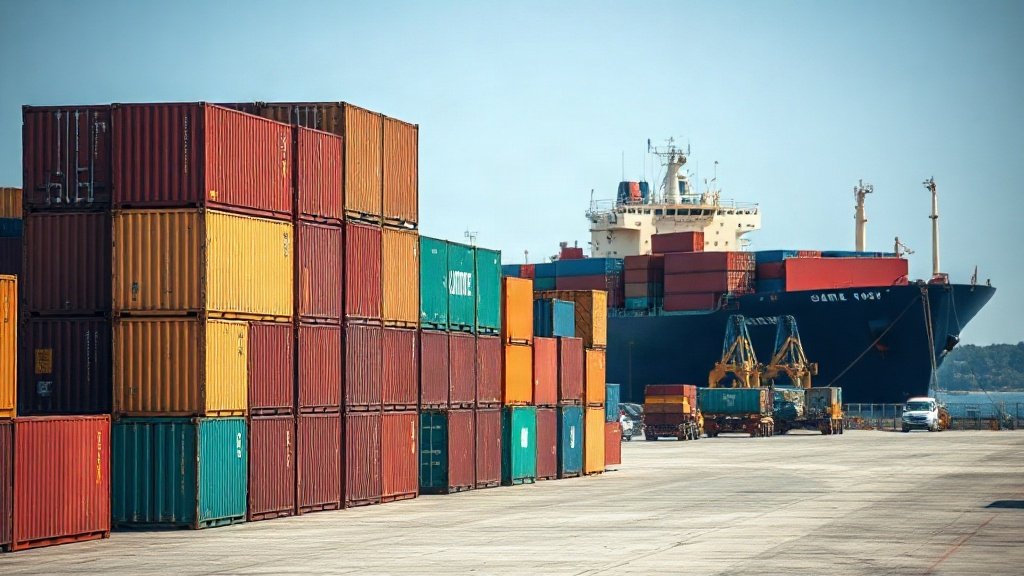
Illustration: AI-generated image
Importing goods into Croatia involves navigating both European Union customs regulations and national requirements. Whether you are bringing raw materials for production or finished products for resale, understanding the process can save time and prevent costly mistakes. This guide outlines the fundamental steps every importer should take.
Key Steps for Importing into Croatia
1. Obtain an EORI number. An Economic Operators Registration and Identification (EORI) number is required for any business that deals with customs in the EU. You can apply for it through the Croatian Customs Administration. It is used on all customs declarations and communications.
2. Classify your goods correctly. Every product has a Harmonised System (HS) code, which determines the customs duty rate, import VAT, and any restrictions or licensing requirements. You can find the appropriate code by consulting the TARIC database, which is the integrated tariff of the European Union.
3. Determine the customs value. Customs duties are usually calculated as a percentage of the customs value, which is typically the transaction value (the price actually paid for the goods) plus certain costs like transport and insurance up to the EU border. Accurate valuation is crucial for compliance.
4. Prepare the necessary documentation. Common documents include a commercial invoice, packing list, bill of lading or airway bill, and certificates of origin if preferential treatment is claimed. Certain products may require additional certificates, such as phytosanitary certificates for plants or health certificates for food.
5. Submit a customs declaration. In Croatia, customs declarations are submitted electronically through the e-Carina system. You will need to provide all details about the goods, their value, origin and classification. You can do this yourself or appoint a customs broker to handle it on your behalf.
6. Pay duties and VAT. Import duties, if applicable, and import VAT must be paid before goods are released. The VAT rate is the same as for domestic supplies (currently 25% for most goods, with reduced rates for some items). However, if your business is VAT-registered, you may be able to defer the VAT payment through your regular VAT return, depending on your circumstances.
7. Keep records. You must retain all import documentation for at least ten years, as customs authorities can audit your business. Proper record-keeping helps demonstrate compliance and supports any future claims for duty refunds or preferential origin.
Additional Points to Consider
When importing from outside the EU, you may also need to consider product compliance with EU standards, such as CE marking for certain goods. Some products like pharmaceuticals, chemicals, or food may require licences or registration with Croatian authorities before importation.
It is also wise to understand Incoterms, which define the responsibilities of buyer and seller regarding delivery, insurance and customs clearance. Choosing the right Incoterm can significantly affect your costs and risks.
For many small and medium-sized businesses, working with an experienced customs broker is a practical way to navigate the complexities. A broker can help with classification, documentation and communication with customs, reducing the chance of delays or penalties.
Importing into Croatia offers access to the wider EU market, but requires diligence and planning. By following these steps, you can establish a smooth import process and focus on growing your business.