How to Make Dalmatian Peka: A Traditional Under-the-Bell Feast
Discover the traditional Dalmatian method of cooking meat and vegetables under a bell-shaped lid, and learn how to recreate this rustic feast at home.
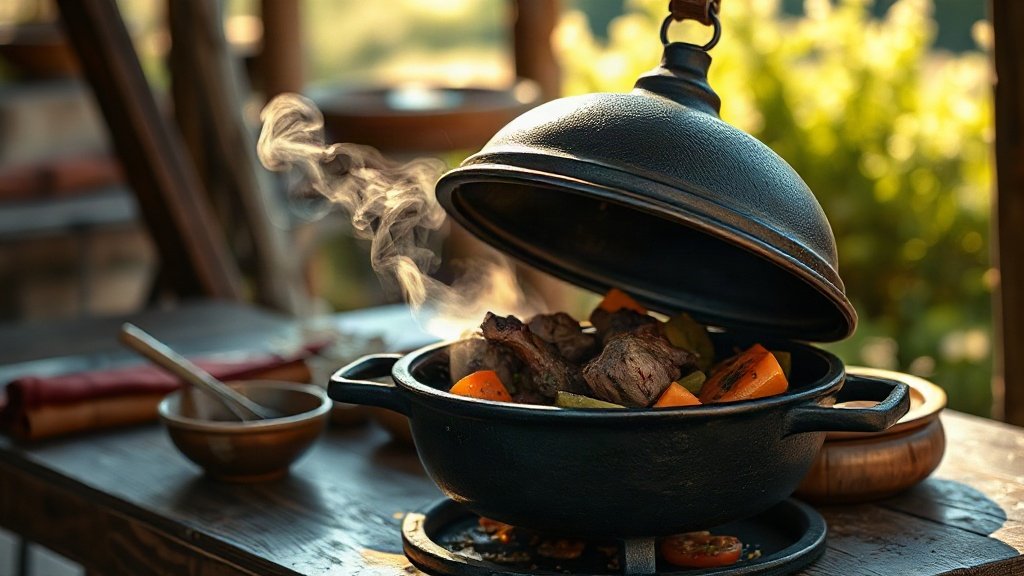
Illustration: AI-generated image
If there is one dish that captures the essence of Dalmatian cooking, it is peka. This ancient method involves slow-cooking meat and vegetables under a heavy, bell-shaped lid called a "peka" or "čripnja", which is covered with hot embers. The result is meltingly tender meat and vegetables infused with a smoky, rustic flavour that speaks of family gatherings and Sunday lunches.
What exactly is peka?
Peka is both the name of the cooking vessel and the dish itself. The bell is traditionally made of cast iron or clay, and it fits snugly over a shallow round tray. The whole setup is placed in an open fireplace, and embers are piled on top of the bell, creating an oven-like environment from all sides. This slow, even heat is what gives peka its signature texture and taste.
The most common peka ingredients are veal, lamb, or octopus, combined with potatoes, carrots, onions, and sometimes other vegetables. Everything is seasoned simply with olive oil, garlic, rosemary, salt, and pepper. No liquid is added except a splash of white wine or water; the meat and vegetables release their own juices, which then steam and baste the food.
How to make peka without a fireplace
Authentic peka requires an open fire, but you can recreate the method at home using a regular oven and a heavy, lidded roasting pot, such as a Dutch oven. Here is a basic approach:
- Prepare the ingredients: Cut meat (veal or lamb) into large chunks, roughly the size of a fist. Peel and quarter potatoes, and cut carrots into thick slices. Slice onions into wedges.
- Season: In a large bowl, toss the meat and vegetables with a generous amount of olive oil, minced garlic, fresh rosemary (or a pinch of dried), salt, and pepper. Let it rest for at least 30 minutes to absorb the flavours.
- Assemble: Place the meat and vegetables in a deep, ovenproof dish or a Dutch oven. Add a splash of white wine or water (about 100 ml). Cover tightly with a lid or foil.
- Cook low and slow: Preheat your oven to 180°C (160°C fan). Place the covered dish in the oven and cook for about 2 to 2.5 hours, until the meat is fork-tender. For extra authenticity, you can remove the lid for the last 20 minutes to allow some browning, but be careful not to dry out the dish.
- Rest and serve: Let the peka rest for 10 minutes before serving. Spoon the juices over the meat and vegetables, and serve with crusty bread and a simple green salad.
If you have access to an outdoor grill or a fireplace, you can use a proper peka bell. The method is similar, but you will need to manage the embers: place the tray with the ingredients on the fire grate, cover with the bell, and then shovel hot embers over the bell. Cooking time is usually 1.5 to 2 hours, depending on the heat and the size of the ingredients.
Why peka is more than just food
For many Dalmatians, peka is a social event. The long cooking time encourages people to gather, share stories, and enjoy the anticipation. It is a dish that rewards patience and reflects the region's deep connection to the land and the sea. Even if you make it in a modern kitchen, the slow, gentle cooking method can transform simple ingredients into something truly special.
So the next time you want to bring a taste of Dalmatia to your table, consider trying peka. With just a few ingredients and some time, you can create a meal that feels like a celebration.