A Guide to Croatian Folk Costumes: A Tapestry of Regional Identity
Discover the rich diversity of Croatia's traditional dress, from the embroidered gowns of Slavonia to the rustic woolens of the Dinaric highlands, and learn how each costume reflects regional identity and social customs.
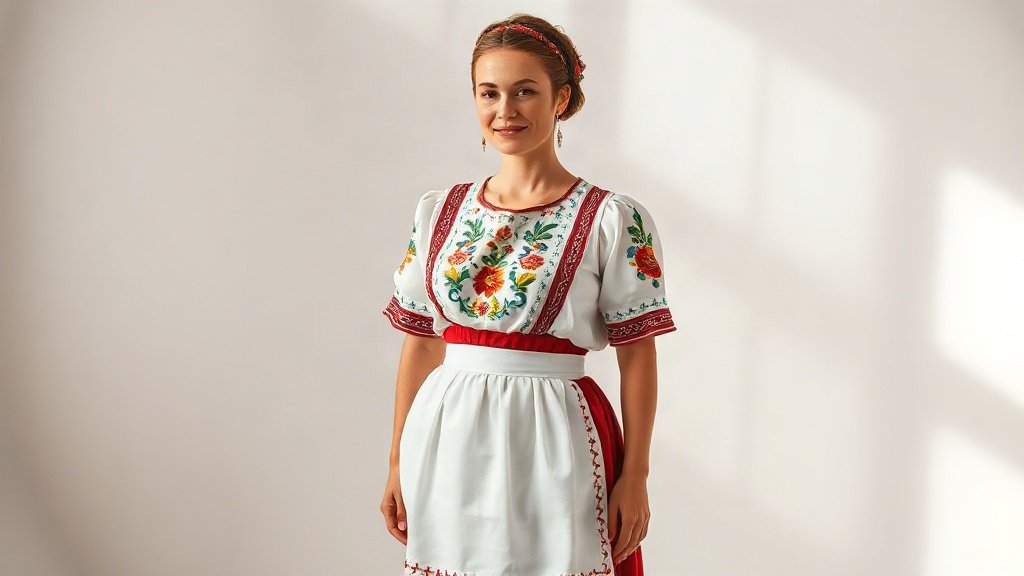
Illustration: AI-generated image
Across Croatia, traditional folk costumes are more than just clothing; they are a vibrant expression of regional identity, social status, and centuries of cultural heritage. From the flat plains of Slavonia to the rocky Dalmatian coast, each region developed its own distinctive attire, reflecting local climate, materials, and aesthetic preferences. Today, these costumes are preserved and celebrated through folklore groups, festivals, and museum collections, offering a window into Croatia's rich past.
The diversity of Croatian folk costumes is a testament to the country's complex history and geography. Broadly, they can be divided into three main cultural zones: the Pannonian area in the north and east, the Dinaric area in the mountainous interior, and the Adriatic area along the coast and islands. Each zone has its own characteristic garments, colors, and decorative techniques.
In the Pannonian region, which includes Slavonia, Baranja, and parts of central Croatia, costumes are known for their rich embroidery and use of gold and silver thread. Women typically wear a white linen blouse with wide sleeves, a colorful woolen or silk skirt, and an apron embellished with intricate patterns. The headdress, often a white cap or a scarf tied in a specific way, indicates a woman's marital status. Men's attire includes white linen trousers, a shirt, and a vest, often with a black hat. The embroidery motifs are frequently floral or geometric, and the colors are bright and cheerful.
In the Dinaric zone, which covers the Lika and Dalmatian hinterland, costumes are simpler and more rustic, reflecting the harsher mountain environment. Wool is the primary material, often in natural colors of white, brown, and black, with less embroidery. Women wear long woolen dresses and aprons, and men wear heavy wool trousers and jackets. Headwear includes red caps for men, particularly in some areas like the Šibenik region, and white or black headscarves for women. These costumes are durable and practical for rural life.
The Adriatic zone, encompassing Istria, the Kvarner islands, and Dalmatia, shows influences from Mediterranean cultures. Costumes are lighter, often made of cotton or silk, with more lace and delicate embroidery. In Istria, women's costumes feature colorful skirts and blouses, while men often wear dark trousers and vests with a red sash. On the islands, such as Hvar and Korčula, there are variations with distinctive headdresses and jewelry. The Krk island costume, for example, is known for its white dress with red embroidery and a distinctive pointed cap.
Beyond regional differences, folk costumes also encode social information. For example, the number of petticoats or the type of jewelry could indicate wealth or marital status. In some regions, unmarried girls wore their hair uncovered, while married women covered their heads. These details were important for community recognition and were strictly adhered to in the past.
Today, original folk costumes are rare and valuable, with many preserved in ethnographic museums such as the Ethnographic Museum in Zagreb. However, they are still made and worn for special occasions: traditional weddings, church holidays, and folklore festivals. Many folklore ensembles across Croatia perform in meticulously recreated costumes, helping to keep the traditions alive. Visitors can see these costumes at events like the International Folklore Festival in Zagreb or the Đakovački Vezovi festival in Slavonia, where parades showcase the stunning variety of regional dress.
Understanding Croatian folk costumes offers a deeper appreciation of the country's cultural mosaic. Each stitch and pattern tells a story of place, history, and community, making them a fascinating subject for anyone interested in Croatia's heritage.