UV-Exposed Mushrooms: A Natural Vitamin D Boost for Croatian Winters
A simple food swap could help you top up your vitamin D during the darker months. White button mushrooms exposed to UV light can meet your entire daily requirement in one serving.
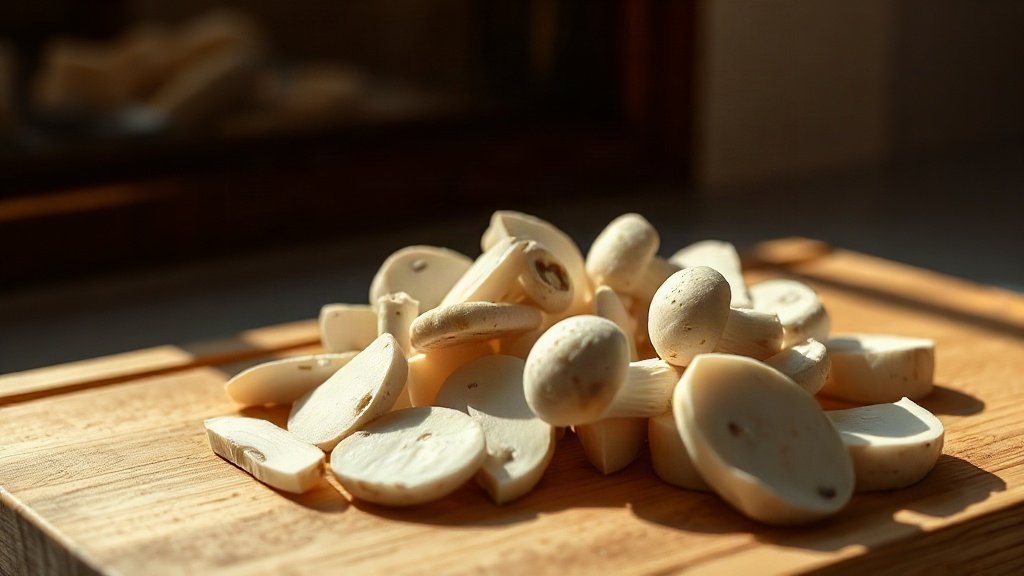
Illustration: AI-generated image
As winter settles in across Croatia, shorter days and less sunshine mean many of us aren't getting enough vitamin D. But a humble ingredient found in nearly every supermarket could help: white button mushrooms exposed to UV light. According to gastroenterologist Dr. Sumana Mule, just 85 grams of these specially treated mushrooms can deliver 100 percent of the recommended daily value of vitamin D.
Vitamin D plays a crucial role in keeping bones strong, supporting the immune system, and regulating mood. The body produces it when sunlight hits the skin, but during Croatian winters, when the sun is lower and we spend more time indoors, that process slows considerably. While fatty fish, fortified milk, and egg yolks are common dietary sources, they aren't an option for everyone—especially vegetarians and vegans. That's where UV-exposed mushrooms step in.
Why UV light makes all the difference
Most mushrooms you find in shops are grown in the dark, which means they contain very little vitamin D—typically less than 0.5 micrograms per 100 grams. However, mushrooms naturally contain a compound called ergosterol. When exposed to ultraviolet light, ergosterol converts into vitamin D2, the same process that happens in human skin. White button mushrooms that have been treated with UV light contain about 26.2 micrograms of vitamin D per 100 grams. A serving of 85 grams provides roughly 22 micrograms, or 110 percent of the recommended daily intake of 20 micrograms.
If you can't find pre-treated mushrooms in your local Croatian store, you can boost their vitamin D content at home. Simply slice fresh mushrooms and leave them in direct sunlight for 15 to 60 minutes before cooking. The vitamin D they produce remains stable during cooking, so you can use them in soups, stews, or sautés as you normally would.
More than just vitamin D
The benefits of mushrooms don't stop at vitamin D. Dr. Niki Asamoa, a gastroenterologist at MedStar Washington Hospital Center, explains that mushroom polysaccharides selectively encourage the growth of beneficial gut bacteria while helping to suppress harmful pathogens. Dr. Mule adds that these compounds strengthen the intestinal mucosal barrier, reduce oxidative stress, and regulate immune function—all key for maintaining a healthy digestive system.
It's worth noting that mushrooms provide vitamin D2, while fatty fish and most supplements contain vitamin D3, which may be more potent in raising blood levels. So while UV-exposed mushrooms are a valuable addition to your diet, they shouldn't replace any supplementation prescribed by your doctor.
Whether you're looking for a natural way to support your vitamin D levels this winter or simply want to add more gut-friendly foods to your meals, UV-exposed mushrooms are a versatile and widely available choice across Croatia. Try adding them to a warming mushroom risotto, a hearty soup, or a simple side dish—and let the sunshine in, one bite at a time.