A Guide to the Croatian National Theatre in Zagreb: A Cultural Landmark
Discover the history, architecture and cultural significance of Croatia's premier theatre house.
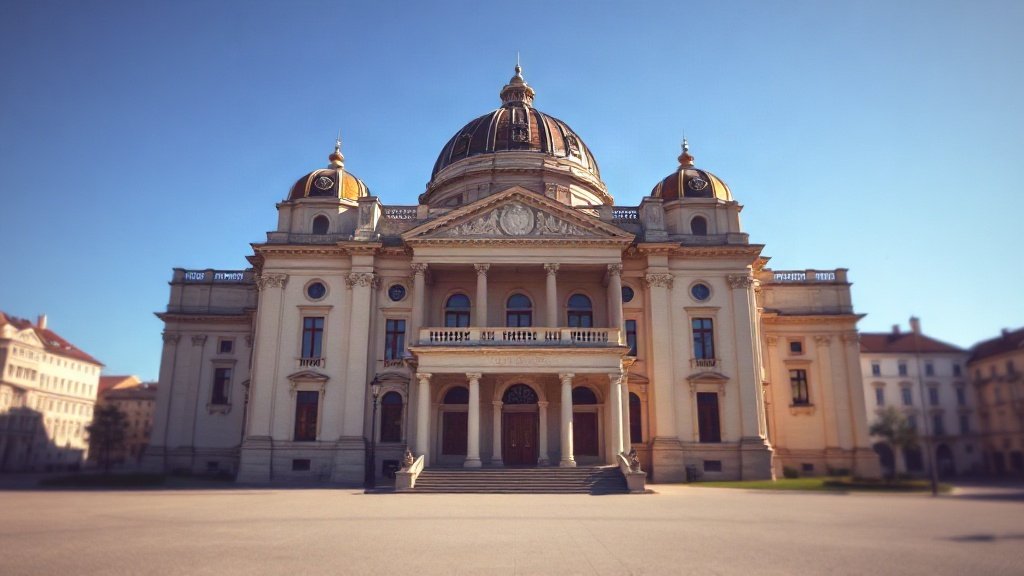
Illustration: AI-generated image
The Croatian National Theatre in Zagreb, known locally as HNK Zagreb, is more than just a stage. It is a symbol of national identity, a architectural gem, and the beating heart of Croatia's performing arts scene. Standing proudly on Marshal Tito Square, this neo-baroque building has been the premier venue for opera, ballet and drama since its doors opened in 1895.
A Rich History
The theatre's story begins in the mid-19th century, when Zagreb was growing as a cultural centre within the Austro-Hungarian Empire. The first Croatian theatre building was erected in 1834, but by the 1880s it had become too small and outdated. A new, grander theatre was commissioned to reflect the city's aspirations. Designed by the renowned Viennese architectural firm Fellner & Helmer, which specialised in theatre buildings across Europe, the new Croatian National Theatre was inaugurated on 14 October 1895, with a performance of the opera Nikola Šubić Zrinski by Ivan Zajc, a work still beloved by Croatian audiences.
Over the decades, the theatre has witnessed pivotal moments in Croatian history. It served as a gathering place for intellectuals and artists advocating for national revival, and it survived two world wars and the turbulent 20th century. Today, it remains a vibrant institution, staging over 200 performances each season and hosting international festivals.
Architectural Splendour
The theatre's exterior is a feast for the eyes. Its façade features Corinthian columns, ornate sculptures and a striking central pediment. The building is crowned by a copper dome, which has become an iconic part of Zagreb's skyline. At night, the façade is beautifully illuminated, making it a favourite spot for photographers.
Step inside, and you are transported to a world of gilded elegance. The main auditorium, with its three tiers of boxes and a painted ceiling, seats around 700 people. The décor combines rich red velvet, gold leaf and intricate stucco work. The ceiling fresco, painted by Vlaho Bukovac, one of Croatia's most celebrated artists, depicts scenes from Croatian literature and history. The theatre's grand staircase and foyer are equally impressive, offering a glimpse into the opulence of late 19th-century design.
What to See Today
The Croatian National Theatre hosts a full programme of opera, ballet and drama. Its resident companies include the Opera, the Ballet and the Drama ensemble. The repertoire ranges from classic works by Mozart, Verdi and Tchaikovsky to contemporary Croatian pieces. The theatre also organises the World Theatre Festival and other special events, attracting artists from around the globe.
Even if you cannot attend a performance, the building itself is worth a visit. Guided tours are available on selected days, providing insights into its history and architecture. The square in front of the theatre, often called the "Green Horseshoe" due to the surrounding parks, is a pleasant place to relax and people-watch. Nearby, you will find the Mimara Museum and the University of Zagreb, making this area a cultural hub.
Why It Matters
The Croatian National Theatre is not just a venue; it is a living monument to Croatian culture. It has nurtured generations of actors, singers and dancers, and it continues to shape the nation's artistic identity. For visitors, it offers a window into Croatia's rich performing arts tradition and a chance to experience world-class productions in a historic setting. Whether you are an opera lover, an architecture enthusiast or simply curious about Croatia's heritage, the HNK Zagreb is a must-see landmark.