A Guide to the Šibenik Button: Croatia's Filigree Treasure
Discover the history and craftsmanship behind the šibenski botun, a traditional silver button that has become a symbol of Šibenik's identity.
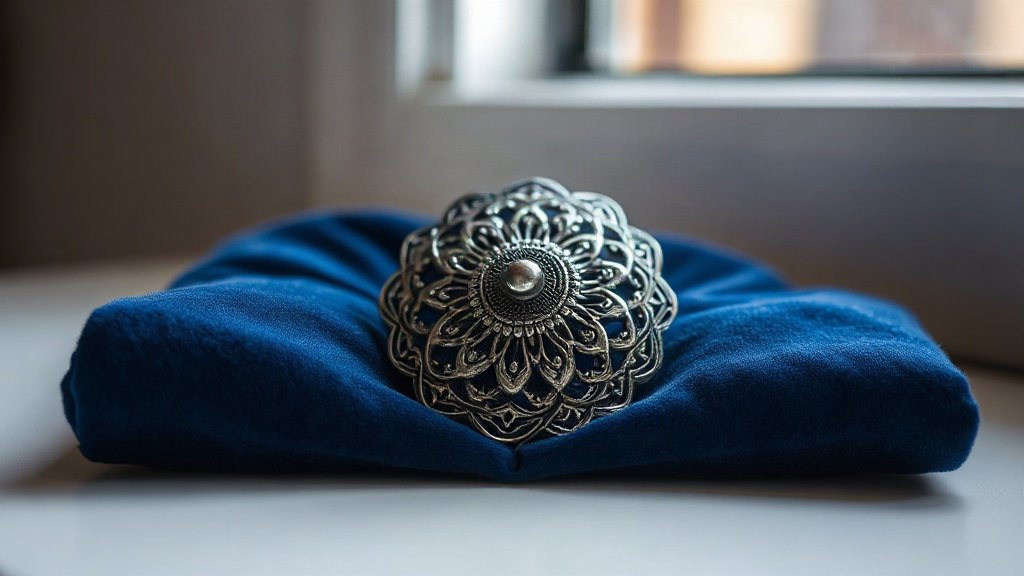
Illustration: AI-generated image
The šibenski botun, or Šibenik button, is one of Croatia's most distinctive pieces of traditional jewellery. Originating from the coastal city of Šibenik in Dalmatia, this ornate silver button has evolved from a functional fastener into a proud symbol of local identity.
What is the Šibenik button?
The šibenski botun is a round, domed button crafted using the filigree technique – delicate threads of silver or gold twisted and soldered into intricate patterns. At its centre sits a hemispherical boss, often surrounded by tiny granules and decorative motifs such as rosettes or stars. Historically, these buttons were sewn onto the traditional men's folk costume, used to fasten shirts and vests. Over time, they also became decorative brooches worn by both men and women.
A history shaped by trade
Šibenik's position on the Adriatic made it a crossroads of Mediterranean influences. The filigree technique has roots in ancient goldsmithing, but the šibenski botun as we know it emerged in the 18th and 19th centuries, blending Venetian elegance with Ottoman ornamental styles. Local goldsmiths refined the craft, and the button became a marker of social status and regional pride. By the early 20th century, it was an essential part of the Šibenik folk costume, particularly for festive occasions.
How it is made
Creating a šibenski botun requires exceptional skill. Artisans first draw fine silver or gold wire, then shape it into tiny coils and curls. These elements are carefully arranged on a metal base and soldered together under a flame. The central boss is formed separately and attached, and the entire piece is polished to a bright shine. The process is time-consuming, and a single button can take many hours to complete. Today, only a handful of artisans in Šibenik continue this tradition, often passing the skill down through generations.
Where to see it today
The Šibenik button remains a living tradition. You can spot it during local festivals, such as the International Children's Festival or the Šibenik Medieval Fair, where performers wear full folk costumes. Klapa singers sometimes wear them as brooches. The Šibenik City Museum holds a collection of antique botuni, offering a glimpse into their historical evolution. Several workshops in the old town demonstrate the craft, and visitors can purchase new pieces directly from goldsmiths – a meaningful souvenir that carries centuries of heritage.
Wearing the botun
While originally a men's garment fastener, the šibenski botun is now worn by anyone as a brooch, pendant, or even cufflink. It pairs beautifully with both traditional attire and modern clothing, adding a touch of Dalmatian elegance. For those with family roots in Šibenik, wearing one is a way to honour ancestry; for visitors, it is a tangible memory of the city's rich cultural tapestry.
The šibenski botun is more than an ornament – it is a small piece of art that encapsulates Šibenik's history, craftsmanship, and enduring spirit.