A Guide to Using Public Libraries in Croatia: Membership and Services
Public libraries across Croatia offer far more than books. Here's how to join, what you can borrow, and the free services available to residents and visitors.
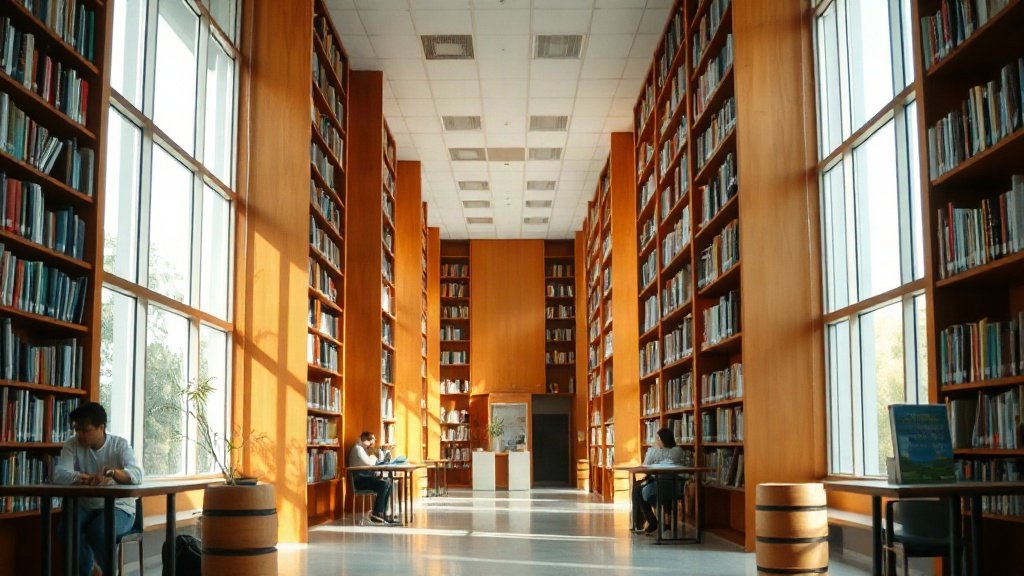
Illustration: AI-generated image
Joining a Croatian library
Most towns and cities in Croatia have a public library (javna knjižnica), often part of a larger network. Membership is open to everyone, including foreigners with a valid residence permit or even a passport in some cases. You'll typically need to fill in a simple form and show an ID document. Children under 14 usually need a parent or guardian to sign.
Membership is free for children, students, pensioners, and people with disabilities. Adults often pay a symbolic annual fee, but some libraries have introduced free membership for everyone. Always check with your local branch, as rules can vary slightly between counties.
What you can borrow
Beyond books in Croatian, most libraries have a growing selection of foreign-language titles, especially English, German, and Italian. You can usually borrow up to five or six items at a time for two to four weeks. Audiobooks, e-books, magazines, and newspapers are also widely available. Many libraries lend DVDs, music CDs, and even board games.
If the book you want is at another branch, you can often request an interlibrary loan. This service is usually free, though you may need to wait a few days for the item to arrive.
Digital and online services
Most Croatian public libraries offer free Wi-Fi and public computers. You can access digital catalogues online to search, reserve, and renew items without visiting. E-book lending platforms are increasingly popular, letting you borrow digital titles to your phone, tablet, or e-reader. All you need is your membership number and a PIN, which the library will provide.
Many libraries also give members free access to online databases, language-learning apps, and newspaper archives. Ask at the front desk about what's included with your card.
Programmes and community events
Libraries are lively community hubs. Most run free activities like storytime for children, book clubs, workshops, lectures, and exhibitions. During school holidays, you'll often find special programmes for kids and teens. Some branches host conversation groups for people learning Croatian or other languages – a great way to practise and meet locals.
Many libraries also have a "corner for foreigners" with information about local services, language courses, and integration resources. The staff are usually happy to help you find what you need.
Practical tips
- Bring a small bag or backpack; some libraries require you to leave larger bags in a locker.
- Renew items online or by phone to avoid late fees. Fines are small but can add up.
- If you lose your membership card, report it immediately; a replacement usually costs a small amount.
- Library opening hours vary, but many are open on Saturdays and some evenings. Check the website before visiting.
Whether you're looking for a quiet place to work, free access to books and media, or a friendly community space, Croatia's public libraries are a fantastic resource for everyone.