A Slow Guide to Cres: Vultures, Medieval Villages and Wild Adriatic Beauty
Cres offers dramatic cliffs, a freshwater lake, griffon vultures and quiet stone towns. Here’s how to explore this unspoiled Kvarner island.
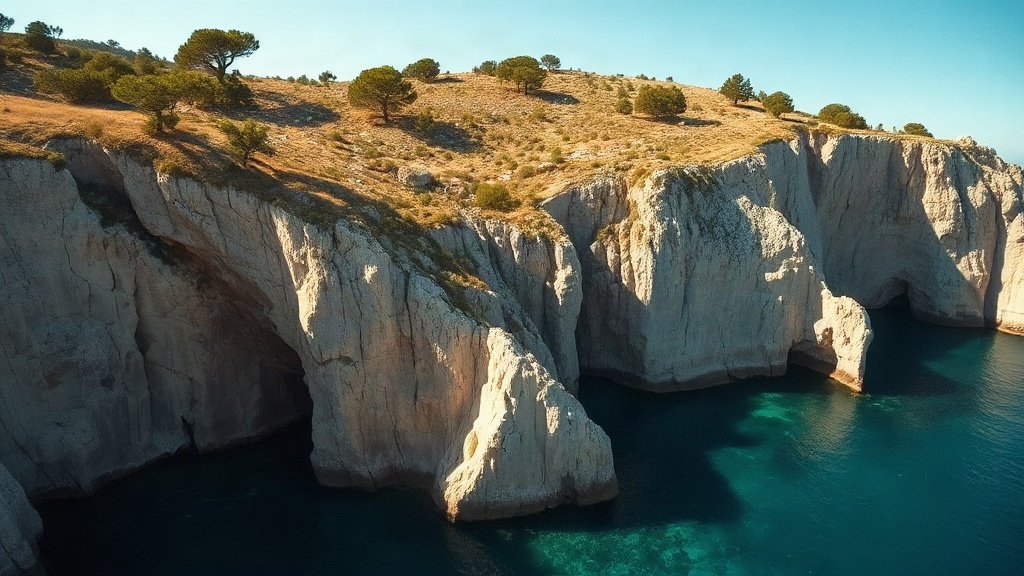
Illustration: AI-generated image
If you’re looking for an Adriatic island that feels genuinely wild and unhurried, point your compass to Cres. Stretching 66 kilometres from top to bottom, it’s one of Croatia’s largest islands, yet it remains blissfully under the radar compared to neighbours like Krk or Lošinj. With rugged cliffs, a mysterious freshwater lake, rare birds and a string of earthy stone villages, Cres rewards travellers who like to roam slowly.
Why Cres feels different
Cres sits in the Kvarner Gulf, just west of Krk and north of Lošinj. Its landscape is a study in contrasts: the northern half is covered by the dense Tramuntana forest, while the south opens into rocky karst pastures where sheep graze. The island’s defining geographical quirk is Lake Vrana, a deep freshwater lake that supplies drinking water to both Cres and Lošinj. It’s strictly protected, so you can’t swim in it, but you can admire it from viewpoints along the road from Cres town to the south.
The island is also a stronghold for the griffon vulture, one of Europe’s largest birds of prey. The cliffs around the village of Beli are home to a rescue and education centre that works to protect these magnificent creatures. A hike along the trails here offers a good chance of seeing vultures soaring overhead — a highlight for any nature lover.
Top towns and sights
Cres town is the island’s main settlement, a medieval harbour wrapped around a sheltered bay. Its narrow alleys, Venetian-style loggias and pastel houses are made for aimless wandering. The 15th-century town gate and the Church of St. Mary of the Snow are worth a look, but the real joy is simply sitting by the water with a coffee as fishing boats bob gently.
Lubenice, perched on a clifftop 378 metres above the sea, feels like a place time forgot. This tiny stone village has barely changed in centuries, and the view from its edge over the Adriatic is unforgettable. Below lies Lubenice beach, a crescent of pebbles reachable only by a steep, rocky trail — the effort rewards you with crystal-clear water and a sense of utter seclusion.
Osor, at the island’s southern tip, is a gem of history. Once an important Roman and medieval trading town, it’s now a sleepy village where the remains of ancient walls and a quirky open-air sculpture garden blend with everyday life. A tiny swing bridge connects Cres to Lošinj here, making a day trip easy.
Getting there and around
Cres is well connected by car ferries. Most visitors arrive from the mainland port of Brestova in Istria, crossing to Porozina on the island’s north coast. Another option is the ferry from Valbiska on Krk to Merag on Cres. If you’re coming from Lošinj, you can simply drive across the bridge at Osor. There is no airport, and public buses are limited, so having your own vehicle is the most flexible way to explore.
Once on the island, the main road runs the full length, but many of the best spots — like Lubenice or hidden coves — require turning onto narrow, unpaved tracks. Take it slow, and you’ll be rewarded with views that few visitors see.
Experiences not to miss
- Hike in the Tramuntana forest: Trails wind through ancient oak and chestnut woods, leading to quiet bays like Sveti Ivan.
- Watch for griffon vultures: Visit the eco-centre in Beli, then walk the coastal path to look for these birds riding the thermals.
- Swim at Mali Bok: This tiny bay near Orlec is a local favourite, with pebbles and turquoise water backed by cliffs.
- Sample lamb and olive oil: Cres lamb, raised on wild herbs, is a regional delicacy, and the island’s olive oil is highly regarded. Look for family-run konobas serving simple, honest food.
- Watch the sunset from Lubenice: The clifftop village offers one of the most dramatic sunset spots in the Adriatic.
Cres doesn’t do flashy. It offers something better: space, silence and landscapes that feel genuinely untouched. Whether you come for the vultures, the hikes or just a slower rhythm of island life, you’ll leave with a deep appreciation for this rugged corner of Croatia.