A Practical Guide to Travelling by Bus in Croatia
Everything you need to know about getting around Croatia by bus, from finding schedules to buying tickets and what to expect on board.
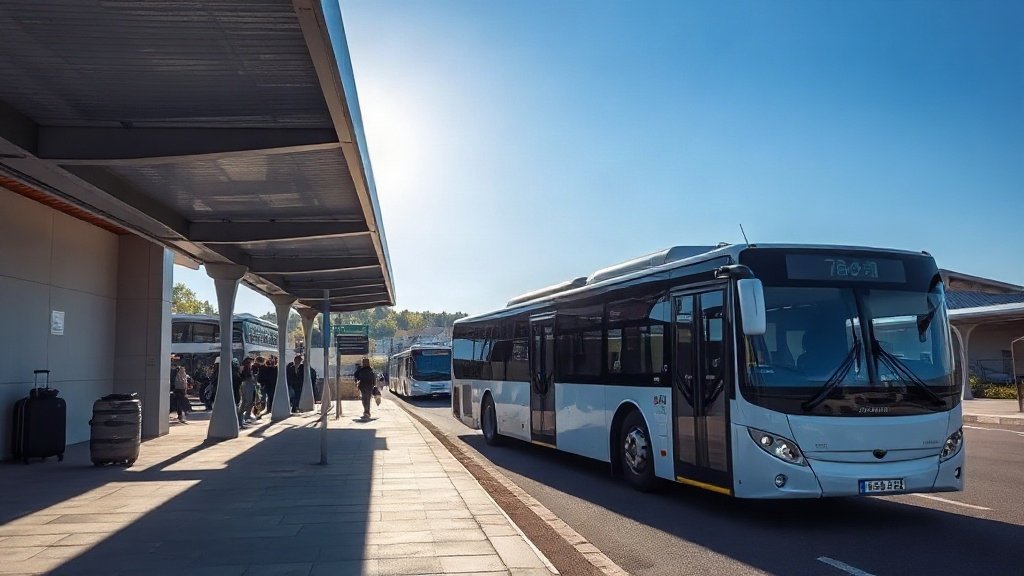
Illustration: AI-generated image
For many travellers, the bus is the most practical and widespread way to explore Croatia. The country's bus network reaches nearly every town and village, filling the gaps left by the rail system and offering connections to islands, national parks and remote corners. Whether you're hopping between coastal cities or venturing into the interior, a little know-how goes a long way in making your journey smooth and stress-free.
Planning Your Journey
Croatia does not have a single national bus timetable. Instead, numerous regional and intercity operators run services, and their schedules are compiled by independent online portals. These websites are the easiest way to search for routes, compare departure times and check journey durations. Timetables are also displayed at bus stations, but they can be less up to date, especially outside major hubs. It's worth noting that journey times listed online often include all intermediate stops, so actual travel may feel longer than the distance suggests.
Services are generally more frequent in summer, particularly along the Adriatic coast and to popular tourist destinations. In winter, some rural routes may be reduced or suspended, so always check ahead. For popular routes in high season, such as Split to Dubrovnik or Zagreb to the coast, it's wise to book a few days in advance.
Buying Tickets
Tickets can be purchased in several ways. The most reliable method is at the bus station ticket office, where you can pay by cash or card. Some drivers also sell tickets, but this may carry a small surcharge and is subject to availability. Online booking is possible through various portals, which is handy for popular routes in high season when buses can sell out. If you buy online, you'll usually receive a digital ticket that can be shown on your phone, though a printed copy is sometimes requested.
Most tickets include a specific seat number, but in practice, boarding can be more relaxed, especially on less busy services. It's always a good idea to arrive at the station at least 20 minutes before departure to find your platform and load luggage.
At the Station and On Board
Bus stations in Croatia range from large, modern terminals in cities like Zagreb and Split to simple roadside stops in smaller places. Announcements may be in Croatian only, so keep an eye on departure boards and ask staff if unsure. Your luggage will typically go in the hold beneath the bus; there may be a small fee per bag, payable to the driver. Make sure your bags are clearly labelled.
Long-distance buses are usually modern coaches with air conditioning and sometimes Wi-Fi. They make rest stops on journeys over a few hours, but it's wise to bring water and snacks. Toilets on board are rare, so use facilities at stations when possible. If you're prone to motion sickness, choose a seat near the front and avoid reading.
Tips for Travellers
Here are a few practical pointers to help you make the most of bus travel in Croatia:
- Buses are often the best option for reaching national parks like Plitvice Lakes or Krka from major cities.
- Coastal routes offer stunning views, so try to get a window seat on the right side when travelling south along the Adriatic Highway.
- If you're island-hopping, buses connect with ferry ports; check timetables to coordinate connections.
- Keep your ticket and ID handy, as inspectors occasionally check.
- For day trips, check the last return bus to avoid being stranded.
With a little planning, travelling by bus in Croatia is an affordable, comfortable and scenic way to see the country. Whether you're a solo adventurer or a family on holiday, the bus network opens up a world of possibilities beyond the main tourist hubs.