A Slow Guide to Pelješac: Croatia's Peninsula of Wine and Seafood
Discover the Pelješac peninsula, a narrow strip of land in southern Dalmatia known for robust red wines, fresh oysters, and the impressive Walls of Ston.
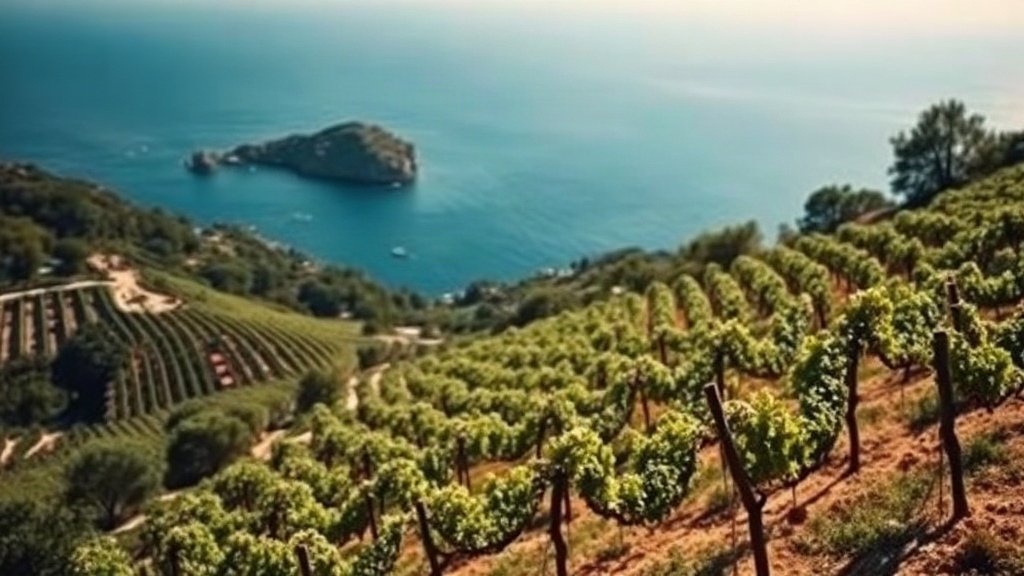
Illustration: AI-generated image
Jutting out into the Adriatic north of Dubrovnik, the Pelješac peninsula is one of Croatia's most rewarding slow travel destinations. Connected to the mainland by a narrow isthmus at Ston, this long finger of land offers a blend of rugged mountains, terraced vineyards, historic fortifications, and some of the country's finest food and wine. Whether you come for a day trip or a week-long stay, Pelješac invites you to slow down and savour its riches.
Getting There and Around
Pelješac is easily reached by road from Dubrovnik, Split, or the island of Korčula via a short ferry crossing from Orebić to Dominče. A car is the best way to explore the peninsula's scenic routes, though local buses connect the main towns. Cycling is popular on the quieter back roads, and many visitors combine a visit with a trip to Korčula or Mljet.
Wine Country: Dingač and Postup
Pelješac is synonymous with Croatian red wine, particularly the robust Plavac Mali grape. The steep, sun-drenched slopes above the villages of Dingač and Postup produce some of the country's most celebrated vintages. The Dingač wine-growing area, protected as Croatia's first wine appellation, clings to the hillsides above the sea, where vines struggle in the rocky soil to produce concentrated, full-bodied wines. Many family-run wineries in the area welcome visitors for tastings, often accompanied by local cheeses and pršut (dry-cured ham). A drive along the winding road through the vineyards offers breathtaking views of the Adriatic and the island of Korčula beyond.
The Walls of Ston and Mali Ston
At the base of the peninsula lies Ston, a small town famous for its medieval defensive walls, often called the 'European Wall of China'. Built in the 14th century by the Republic of Ragusa to protect its salt pans, the walls stretch for over five kilometres across the isthmus, climbing the hillside in a series of towers and forts. A walk along a section of the walls offers panoramic views over the town, the salt pans, and the surrounding countryside. Nearby Mali Ston is renowned for its oyster beds, where the nutrient-rich waters produce some of the finest oysters in the Adriatic. A meal of fresh oysters, mussels, and other shellfish at a waterfront restaurant is a must for seafood lovers.
Beaches and Swimming
Pelješac's coastline is dotted with small pebble beaches and secluded coves, perfect for a refreshing swim. The beaches around Orebić, the peninsula's main town, are family-friendly and offer views of Korčula. Further along the coast, the villages of Trpanj, Žuljana, and Duba have quieter stretches of shore, often backed by pine trees. The water is exceptionally clear, and snorkelling is rewarding in many spots.
Hiking and Outdoor Activities
The rugged interior of Pelješac, dominated by the Sveti Ilija mountain, offers excellent hiking opportunities. Trails lead from Orebić to the summit, where on a clear day you can see as far as Italy. The peninsula is also a popular destination for sea kayaking, windsurfing, and sailing, with several small harbours providing access to the surrounding waters.
A Slow Pace Rewarded
Pelješac rewards those who take their time. Spend a morning walking the walls of Ston, an afternoon tasting wine in a hillside konoba, and an evening watching the sunset over the sea with a plate of fresh seafood. It's a corner of Croatia that feels both timeless and welcoming, offering a true taste of Dalmatian tradition.