A Slow Guide to Lošinj: Pine Forests, Dolphins and Historic Harbours
Discover why this northern Adriatic island has drawn visitors for centuries with its clean air, aromatic vegetation and resident dolphin population.
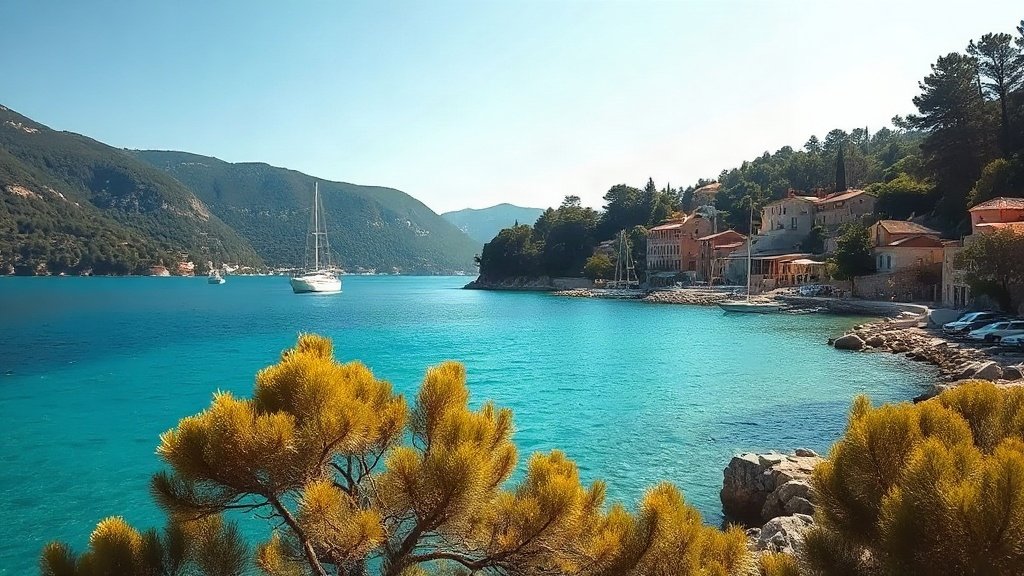
Illustration: AI-generated image
Shaped like a long, slender crescent, the island of Lošinj lies in the Kvarner Gulf, separated from its larger neighbour Cres by a narrow channel crossed by a swing bridge. For more than a century, this peaceful island has been known for something many modern travellers crave: a sense of calm and wellbeing. Its combination of dense pine forests, aromatic herbs and clean sea air has made it a favourite destination for those seeking rest and recovery.
A Tradition of Wellness
Lošinj's reputation as a health resort dates back to the late 19th century, when doctors began recommending its climate for respiratory ailments. The island's microclimate is influenced by the meeting of warm and cool sea currents, and its hillsides are covered with Aleppo pines, rosemary, sage and myrtle. Even today, visitors come simply to breathe deeply and walk the many shaded paths. The towns of Mali Lošinj and Veli Lošinj are surrounded by pine forests, and the seafront promenades are lined with gardens full of Mediterranean plants.
Meeting the Dolphins
One of Lošinj's most magical experiences is seeing dolphins in the wild. The waters around the island are home to a resident population of bottlenose dolphins, and responsible boat trips offer a chance to observe them without disturbing their natural behaviour. The Adriatic Dolphin Project, which began here in the late 1980s, has studied these animals for decades and helped raise awareness about their protection. If you prefer to stay on land, keep an eye on the sea from the quieter coves and headlands – especially in the early morning or late afternoon.
Historic Towns and Harbours
Mali Lošinj, the largest town, curves around a wide, sheltered bay. Its colourful houses, many dating from the 19th century, reflect the wealth brought by seafaring and shipbuilding. The Church of St. Martin stands above the harbour, and the town's maritime museum tells the story of the island's captains and shipyards. A short walk or bike ride south brings you to Veli Lošinj, a smaller and even sleepier village with stone houses, a tiny port and a lovely church set among pines. The path between the two towns is flat, paved and shaded, making it perfect for an easy stroll or cycle.
Getting There and Around
Lošinj is reached by road from the mainland via the island of Cres, with regular car ferries from Brestova (on the Istrian coast) to Porozina on Cres, or from Valbiska (on Krk) to Merag on Cres. Once on Cres, you drive south to Osor and cross the small swing bridge onto Lošinj. Alternatively, a catamaran passenger line connects Mali Lošinj with Rijeka and several islands. On the island, a local bus serves the main settlements, but renting a bicycle or simply walking is ideal for exploring the compact towns and nearby coves. Many visitors arrive without a car and enjoy the slow pace on foot.
Whether you come for the clean air, the chance to spot dolphins, or simply the pleasure of wandering through pine-scented streets, Lošinj rewards those who take their time.