A Slow Guide to the Cetina River: Canyons, Rapids and Dalmatian Hinterland
The Cetina River carves a dramatic path from the Dinara mountains to the Adriatic, offering rafting, hiking and swimming in a stunning karst landscape.
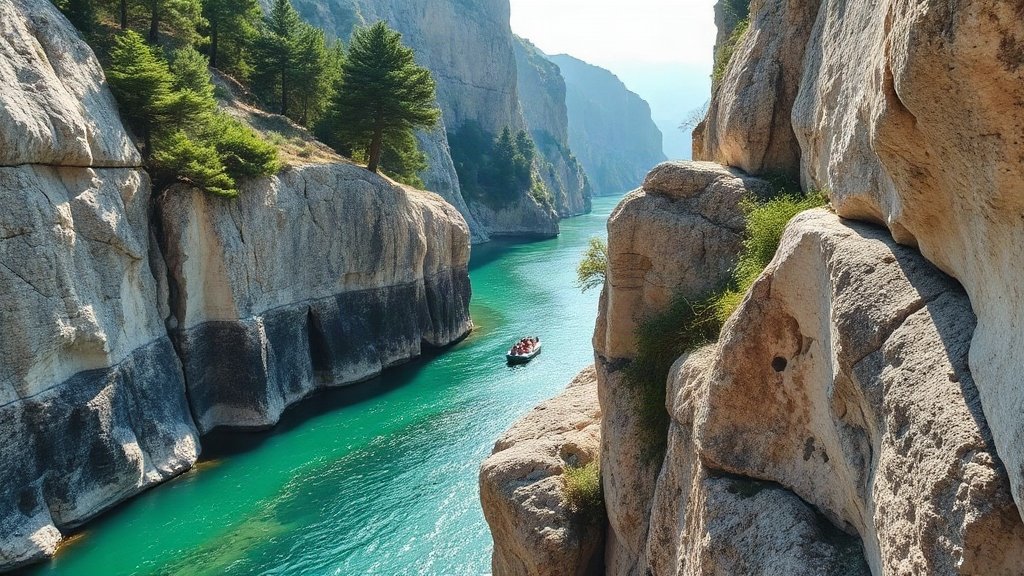
Illustration: AI-generated image
The Cetina River is one of Dalmatia's most remarkable natural features, a ribbon of emerald water that winds for over 100 kilometres from its source high in the Dinara mountains to the Adriatic Sea at the town of Omiš. Along the way it cuts through limestone gorges, feeds fertile fields and offers endless opportunities for outdoor adventure. Whether you come to raft its rapids, hike its canyon rim or simply cool off in its crystal-clear pools, the Cetina rewards slow exploration.
A River of Many Moods
The Cetina begins as a spring near the village of Cetina, close to the Bosnian border, and flows south through the Sinj karst field before turning west towards the coast. Its upper reaches are calm and pastoral, with grassy banks and grazing sheep, but as it approaches Omiš the river plunges into a deep canyon with towering cliffs and fast-flowing water. This dramatic contrast makes the Cetina feel like several rivers in one, each section with its own character and charm.
Rafting and Kayaking
The lower canyon, between the villages of Penšići and Blato na Cetini, is the most popular stretch for rafting and kayaking. The water here is cool and clear, with a mix of gentle floats and exciting rapids that are suitable for beginners and families. Trips typically last two to three hours and are led by local guides who know every rock and current. No previous experience is necessary, and all equipment is provided. The canyon walls rise dramatically on either side, creating a sense of remoteness that feels far from the busy coast.
Hiking and Viewpoints
For those who prefer to stay on dry land, trails along the canyon rim offer spectacular views of the river far below. The area around the village of Zadvarje is a good starting point, with marked paths leading to overlooks where you can watch rafters navigate the rapids. The terrain is rocky and can be steep in places, so sturdy shoes and plenty of water are essential. In spring and autumn the landscape is carpeted with wildflowers, while summer brings the scent of pine and the sound of cicadas.
Swimming and Picnicking
The Cetina is a beloved swimming spot for locals, especially in the upper and middle sections where the water is calm and shallow. Near the town of Trilj, sandy banks and grassy meadows invite you to spread a towel and spend an afternoon by the river. The water temperature remains refreshing even in high summer, making it a welcome escape from the coastal heat. Pack a picnic and enjoy the peaceful surroundings, but remember to take all rubbish with you and respect the natural environment.
Practical Information
The Cetina is easily reached from Split or Omiš, making it a perfect day trip. Buses run regularly to Omiš and Trilj, and from there you can arrange transport to the river or join an organised tour. The best time to visit for rafting is from April to October, when water levels are suitable and the weather is warm. For hiking and swimming, late spring and early autumn offer pleasant temperatures without the crowds. Always check conditions before setting out, as water levels can change quickly after heavy rain.