A Slow Guide to the Island of Rab: Sandy Beaches, Medieval Towers and Forested Hills
With its rare sandy beaches, a compact medieval old town and forested park, Rab offers a slower pace of island life in the Kvarner Gulf.
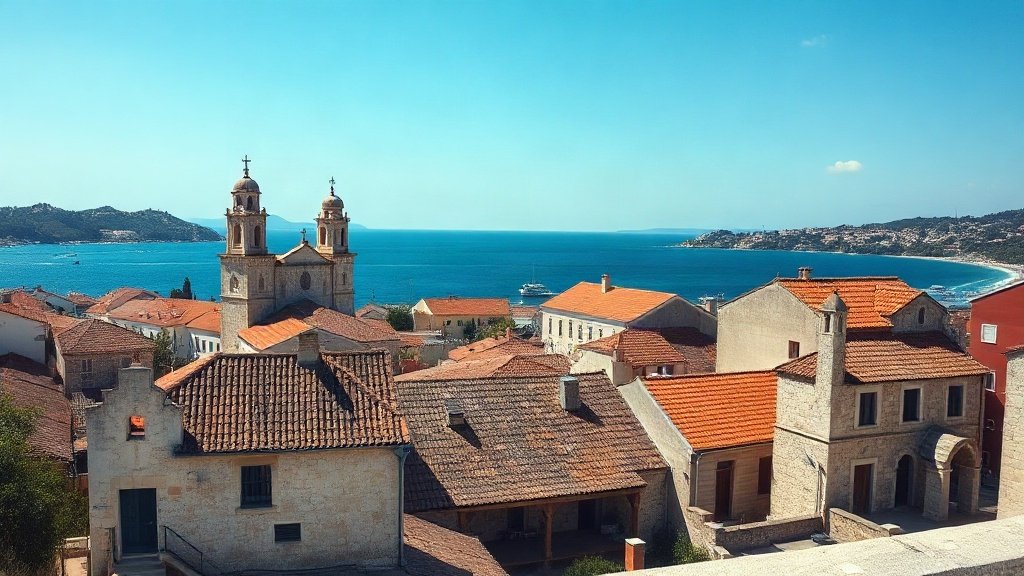
Illustration: AI-generated image
The island of Rab, in the Kvarner Gulf, is often overlooked by visitors rushing to the larger islands of Krk and Cres. Yet those who make the short ferry crossing are rewarded with a combination that is rare on the Croatian coast: genuine sandy beaches, a beautifully preserved medieval old town, and a lush, forested interior that invites slow exploration.
Getting There and Around
Rab is connected to the mainland by car ferries from Stinica, south of Senj, and by passenger catamarans from Rijeka and neighbouring islands during the summer months. The crossing is short, but it pays to check seasonal schedules in advance. Once on the island, local buses link the main settlements, but many visitors prefer to rent a bicycle or scooter to explore at their own pace. Roads are generally quiet, especially outside the peak weeks of July and August, making cycling a pleasure rather than a challenge.
Exploring Rab Town
The old town of Rab occupies a slender peninsula, its skyline defined by four elegant bell towers that rise above the rooftops. Narrow, marble-paved streets wind between stone houses, opening onto small squares where cafés spill out under awnings. The 12th-century Church of St. Mary and the ruins of the old town walls are worth seeking out, as is the town loggia, which once served as a courthouse and meeting place. For the best view, climb to the park above the town and look back over the terracotta roofs to the sea beyond.
Beaches and Nature
Rab is best known for its sandy beaches, a true rarity along Croatia's mostly pebbly coastline. The most famous is Rajska plaža (Paradise Beach) near Lopar, a shallow, gently shelving bay that is ideal for families with small children. The water stays warm well into autumn, and the fine sand is perfect for building castles. Away from the shore, Komrčar Park, on the edge of the old town, offers pine-shaded paths with glimpses of the sea between the trees. For those who want to stretch their legs, hiking and cycling trails crisscross the island, leading to viewpoints such as Kamenjak, where the entire island unfolds below.
Food and Local Flavours
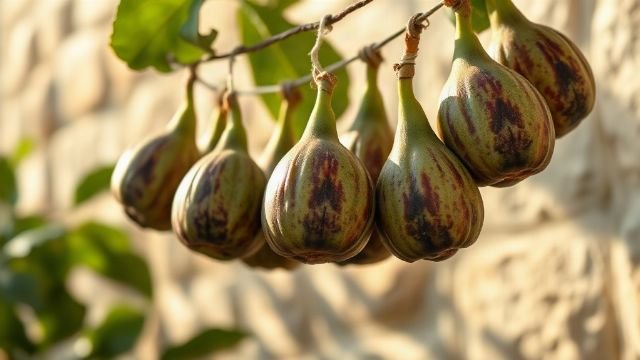
No visit to Rab is complete without tasting rabska torta, the island's traditional cake. Shaped like a spiral, it is made with almonds, maraschino liqueur and a hint of lemon, and was once reserved for weddings and feast days. Local konobas serve lamb from the island's interior, fresh seafood and olive oil pressed from ancient groves. Honey and figs are also abundant, and many family-run farms sell their produce directly to visitors.
Practical Tips
The best times to visit Rab are late spring and early autumn, when the weather is still warm but the crowds have thinned. May, June and September are particularly pleasant for cycling and hiking. In August, the beaches can get busy, so head to the northern coves or set out early in the morning. Bring a hat and sunscreen, as the sun reflects off the light sand. And leave room in your luggage for a box of rabska torta – it travels well and makes a fine souvenir.