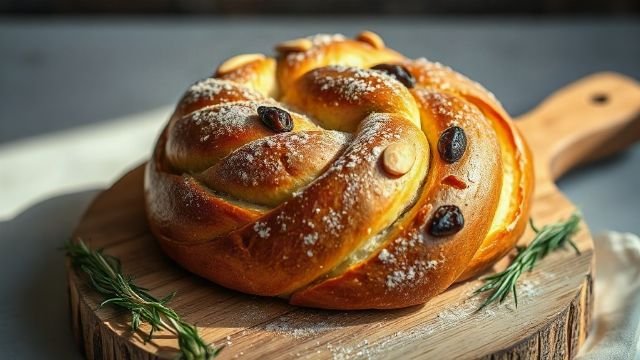
Burek: A Guide to Croatia's Beloved Flaky Pastry
From corner bakeries to family tables, burek is a savoury staple across Croatia. Here's what to know about this golden, flaky pastry and how to enjoy it like a local.
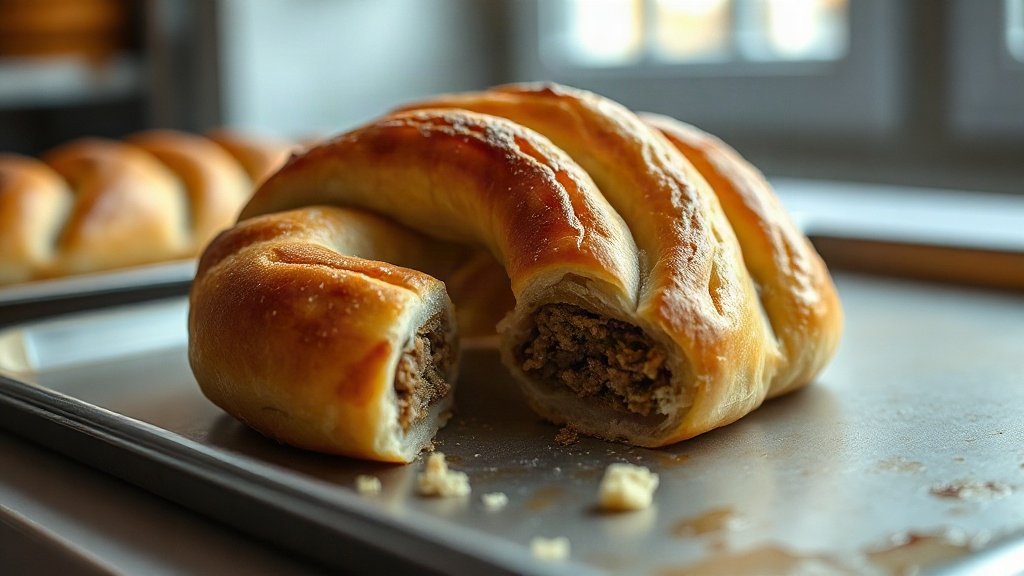
Illustration: AI-generated image
Few things say comfort food in Croatia quite like burek. Walk past any local bakery in the morning and you'll likely see trays of this golden, coiled pastry emerging from the oven, its flaky layers glistening and its savoury aroma drifting down the street. Whether grabbed on the way to work or enjoyed as a weekend treat, burek holds a special place in the hearts of many Croats.
What exactly is burek?
Burek is a baked pastry made from thin sheets of phyllo dough, layered and filled with a savoury mixture, then rolled or coiled into a spiral and baked until crisp. It likely arrived in the region centuries ago with Ottoman influence and has since become a staple across the Balkans. In Croatia, it is a beloved everyday food, not reserved for special occasions but thoroughly enjoyed as a quick meal or hearty snack.
The hallmark of a good burek is its texture: dozens of paper-thin layers that shatter lightly when you bite, giving way to a moist, well-seasoned filling. The dough is typically brushed with oil or butter between layers, which helps create that signature crunch and rich flavour.
Common varieties in Croatia
Croatian bakeries usually offer several classic fillings. The most common is mesni burek (meat burek), made with minced beef or a mix of beef and pork, seasoned with onion, salt, and pepper. Burek sa sirom (cheese burek) is another favourite, using a soft, crumbly cow's milk cheese similar to cottage cheese or feta, sometimes mixed with a little egg for binding. Burek sa špinatom (spinach burek) combines spinach with cheese or sometimes just greens and herbs, offering a lighter alternative. You may also find krompiruša (potato burek), filled with seasoned mashed or diced potatoes, and occasionally sweet versions with apple or cherry, though savoury dominates.
Unlike in some neighbouring countries where the name 'burek' is strictly reserved for meat-filled pastry, in Croatia all these types are commonly called burek, with the filling specified. This makes ordering easy: just say the type you want.
How to eat burek like a local
Burek is traditionally a morning or midday food, often eaten for breakfast or as a substantial snack between meals. The classic pairing is a glass of plain yogurt or a tangy drinkable yogurt, which cuts through the richness of the pastry. Many bakeries sell individual portions, either as a single spiral or as a wedge cut from a large round pie, wrapped in paper for eating on the go.
You'll find burek in nearly every pekara (bakery) and pekarnica (bread shop) across the country, from busy city streets to small village squares. It is usually baked fresh throughout the morning, so timing your visit early gives you the best chance of a warm, crisp slice. While some restaurants might offer burek as an appetizer or side, the true experience is grabbing one from a bakery counter and enjoying it while it's still hot.
Making burek at home
If you're inspired to try your hand at burek, it is entirely possible at home, especially if you use store-bought phyllo dough. The process involves layering several sheets, spreading the filling evenly, and carefully rolling the pastry into a spiral before baking. It requires a bit of patience but rewards you with a homemade version that rivals the bakery. The key is to work quickly so the phyllo doesn't dry out, and to brush each layer generously with oil or melted butter.
Whether you pick one up from a corner bakery or attempt your own, burek is a delicious introduction to the hearty, comforting side of Croatian food culture. It's a simple pleasure that has stood the test of time, and one that locals return to again and again.