Čobanac: A Guide to Slavonia's Hearty Shepherd's Stew
Discover the rich, paprika-spiced meat stew that has fuelled generations in Croatia's eastern region of Slavonia.
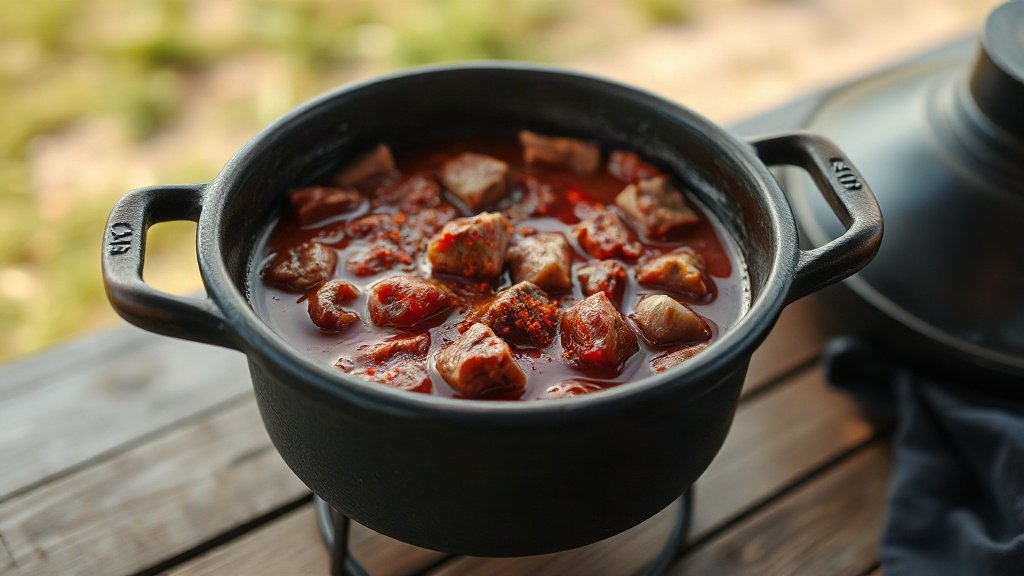
Illustration: AI-generated image
If you find yourself in the plains of Slavonia, the easternmost region of Croatia, you are likely to encounter a bubbling cauldron of deep red stew, rich with the aroma of paprika and slow-cooked meat. This is čobanac, a dish that has nourished farmers, shepherds and families for centuries and remains a proud symbol of Slavonian hospitality.
What is čobanac?
Čobanac (pronounced cho-ba-nats) is a thick, hearty stew traditionally made with a mix of meats — usually pork, beef and sometimes game like venison or wild boar. The name comes from the Croatian word čoban, meaning shepherd, as it was originally cooked by shepherds over open fires while tending their flocks on the vast Slavonian plains.
The defining characteristic of čobanac is its generous use of sweet and hot paprika, which gives the stew its signature red colour and warm, earthy flavour. Unlike goulash, which is more soup-like, čobanac is reduced until the meat is tender and the sauce is thick enough to coat a spoon.
How it's made
There are as many recipes for čobanac as there are cooks in Slavonia, but most follow a similar method. The meat is cut into large chunks and browned in lard or oil, then slow-cooked with onions, garlic, tomatoes and a good amount of paprika. Some cooks add potatoes or root vegetables, while others keep it purely meaty. The stew is simmered for several hours, often in a cast-iron cauldron over an open fire, until the meat falls apart and the flavours meld together.
A key step is adding the paprika towards the end of the initial frying to prevent it from turning bitter. The dish is then left to cook gently, with water or stock added as needed, until it reaches the right consistency.
How to eat it
Čobanac is a communal dish, best enjoyed outdoors with friends and family, especially during autumn and winter when the rich, warming stew is most welcome. It is typically served in deep bowls with crusty bread for soaking up the sauce, and often accompanied by a simple salad of fresh cabbage or pickled vegetables. A glass of robust Slavonian red wine, such as Frankovka, makes a fine partner.
In towns and villages across Slavonia, you will find čobanac at local festivals, family gatherings and traditional restaurants. If you are invited to someone's home and a pot of čobanac is simmering away, consider yourself lucky — it is a true taste of the region's soul.