Croatia's Free Zones: A Practical Guide to Customs and Tax Benefits
Free zones in Croatia offer companies a way to defer or avoid customs duties and VAT on goods held or processed within their borders. Find out how they work and whether your business could benefit.
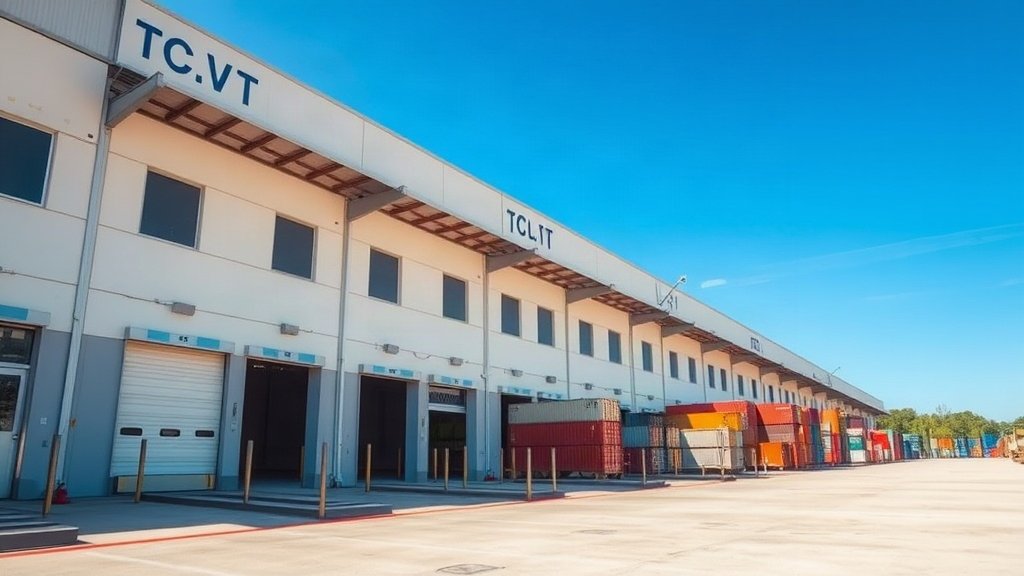
Illustration: AI-generated image
If your company imports, exports, or processes goods, Croatia's free zones might offer a significant competitive edge. These designated areas operate under special customs and tax rules, designed to encourage international trade, manufacturing, and logistics.
But what exactly is a free zone, and how can your business use one? Here's a straightforward guide.
What is a free zone?
A free zone (slobodna zona in Croatian) is a fenced-off, customs-supervised part of Croatia's territory where different customs rules apply. Goods can enter, be stored, processed, or even assembled and re-exported without immediately paying customs duties or VAT.
The concept isn't new: free zones have existed for centuries as hubs for trade. In Croatia, they are regulated by the Free Zones Act, which aligns with EU customs legislation.
Key benefits for businesses
The main advantage is cash flow. Instead of paying import duties and VAT when goods arrive, you can postpone those payments until the goods actually leave the zone for sale in the EU market. If the goods are re-exported outside the EU, no customs duties or VAT are ever paid.
This is particularly useful for companies that:
- Import raw materials, process them, and export finished products.
- Store goods destined for multiple markets, allowing time to decide final destinations.
- Conduct quality control, labelling, or simple assembly before sale.
Some zones also offer simplified customs procedures and reduced paperwork, saving time and administrative costs. Additionally, certain zones provide corporate income tax incentives for investments in fixed assets or job creation, though the exact terms vary by location.
Where are Croatia's free zones?
Free zones are typically located near major transport hubs: seaports, airports, and industrial corridors. The most significant are in Rijeka, Split, Ploče, Zagreb, Osijek, and Krapina. Each has its own infrastructure, from warehousing to office space, and some are directly connected to rail or motorway networks.
Coastal zones are ideal for maritime trade, while inland zones serve as distribution centres for Central and Eastern Europe.
How to use a free zone
Your company doesn't need to be Croatian—any legal entity, domestic or foreign, can become a user of a free zone. You'll need to sign a contract with the zone operator (the company that manages the area), which usually involves renting space or using shared facilities.
Once inside, you can carry out a range of activities: warehousing, manufacturing, assembly, repacking, even retail in some cases (though sales to final consumers within the zone are restricted). Goods can remain in the zone indefinitely while you plan your logistics.
It's important to work with a customs agent or consultant familiar with free zone rules, as EU customs law is detailed and compliance is essential.
Is a free zone right for your business?
Free zones aren't for everyone. If you only import small quantities for immediate sale in Croatia, the administrative overhead might outweigh the benefits. But for companies with high-volume international trade, complex supply chains, or re-export models, the savings can be substantial.
As with any tax or customs strategy, professional advice is key. Start by mapping your goods flows and calculating the potential duty and VAT deferral. Then compare zone locations and target markets.
Croatia's strategic position between Western Europe and the Balkans, combined with its EU membership, makes its free zones an attractive option for regional distribution and light manufacturing. For the right business, they are a powerful tool.