Croatian Christmas Traditions: A Guide to the Season's Customs
From the Advent wreath to Christmas Eve dinner, discover the beloved traditions that make the festive season in Croatia so special.
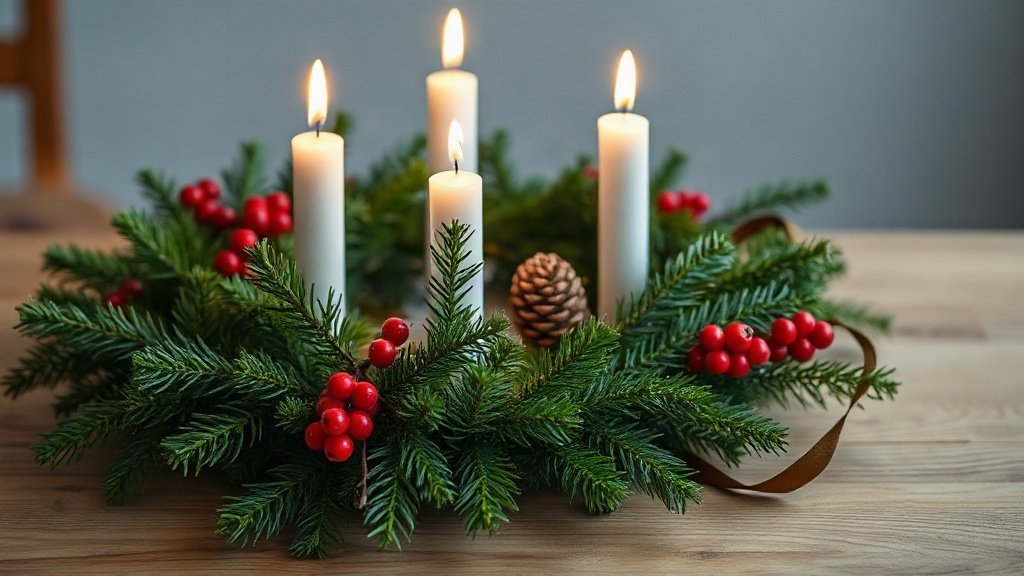
Illustration: AI-generated image
As December arrives, homes across Croatia fill with the scent of sarma and fritule, and the streets glow with Advent lights. While many customs overlap with other European countries, Croatia has its own distinctive traditions that make the season feel truly local. Whether you're spending your first Christmas in Croatia or simply curious, here's a guide to the celebrations, symbols and food that bring the holidays to life.
Advent: The Wait Begins
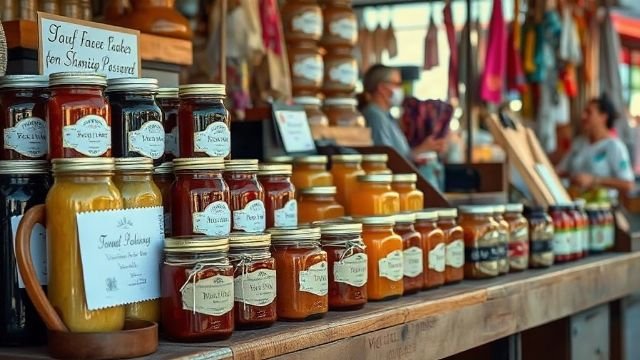
Advent in Croatia starts four Sundays before Christmas. Families bring out the adventski vijenac (Advent wreath), typically made of evergreen branches and decorated with four candles – three purple and one pink. Each Sunday, one more candle is lit, often accompanied by a short prayer or song. In many towns, Advent markets (advent u gradu) pop up, offering mulled wine, roasted chestnuts and handmade gifts, though the exact schedules and prices vary each year. The atmosphere is warm and social, with friends meeting for a cup of kuhano vino in the evening.
St Nicholas and Krampus
On the eve of 6 December, children polish their boots and leave them on windowsills. If they've been good, St Nicholas (Sveti Nikola) fills the shoes with small treats like mandarins, chocolate coins and nuts. If they've been naughty, Krampus – a shaggy, horned companion – might leave a golden twig instead. In many towns, especially in northern Croatia, Krampus parades (krampuslauf) take place, where costumed figures rattle chains and scare onlookers in good fun. The tradition is lively but harmless, and children often delight in the playful fright.
Christmas Eve and the Family Feast
Christmas Eve (Badnjak) is a day of preparation. In many households, a large log – called badnjak – is brought into the home or placed in the fireplace, sometimes sprinkled with wine and wheat before being lit. The evening meal is traditionally meatless, often featuring cod (bakalar) prepared in a rich tomato and potato stew, especially in coastal regions. Inland, families might serve bean soup, dried cod or other fish dishes. After dinner, many attend midnight mass (polnoćka), which is a highlight of the night. Homes are decorated with evergreen branches, and some families place a handful of straw under the tablecloth to recall the manger.
Christmas Day and the Main Celebration
On Christmas Day, families gather for a large lunch, often centred around roasted meat – turkey, duck or pork – accompanied by sarma (stuffed cabbage rolls), mlinci (a baked pasta-like side) and various salads. Desserts include fritule (small fried dough balls dusted with sugar), kroštule, and traditional Christmas bread such as božićni kruh, which may be decorated with symbolic shapes. The day is spent relaxing with loved ones, and many people visit extended family or neighbours to exchange greetings: "Sretan Božić!"
St Stephen's Day and Beyond
26 December, St Stephen's Day (Sveti Stjepan), is also a public holiday. It's a day for more visiting and enjoying leftover food. Some communities hold traditional dances or live nativity scenes. The festive season continues through New Year's Eve and into Epiphany on 6 January, when the three kings (Tri kralja) are remembered. In some places, the water is blessed, and the initials of the wise men are chalked above doorways as a blessing for the home.
Whatever your own traditions, experiencing a Croatian Christmas offers a window into the country's strong family bonds and rich heritage. From the first candle of Advent to the final blessing on Epiphany, it's a season of warmth, generosity and simple joys.