Doing Business in Kvarner: A Guide for Entrepreneurs and Investors
Discover the business landscape of Croatia's Kvarner region, from its maritime heritage to emerging sectors like tourism, logistics and green energy.
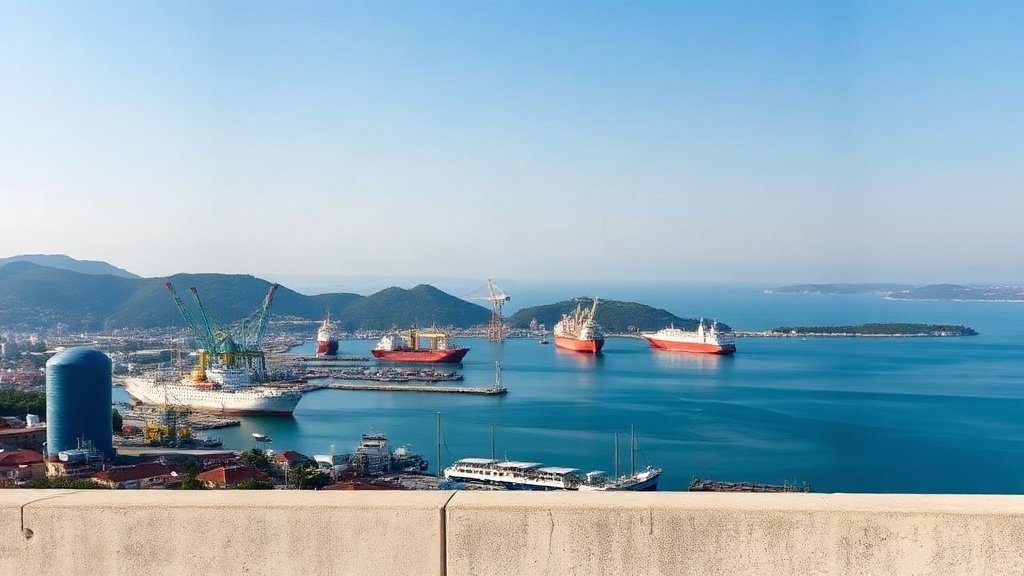
Illustration: AI-generated image
Kvarner, the coastal region around the city of Rijeka, offers a unique blend of industrial heritage and Mediterranean charm. For entrepreneurs and investors looking beyond Croatia's more famous destinations, this area presents a range of opportunities backed by strategic location and improving infrastructure.
An Overview of Kvarner's Economy
Historically, Kvarner has been one of Croatia's most industrialised regions, with shipbuilding, maritime trade and manufacturing playing central roles. Rijeka, the region's administrative centre, is home to the country's largest port, which serves as a gateway for goods entering Central and Eastern Europe. Today, the economy is diversifying, with tourism, information technology and renewable energy gaining ground.
Key Sectors for Business
- Maritime and logistics: The Port of Rijeka and associated transport networks make Kvarner a natural hub for import-export businesses, freight forwarding and warehousing.
- Tourism and hospitality: The region's islands—Krk, Cres, Lošinj and Rab—attract millions of visitors annually, creating demand for accommodation, food services, nautical tourism and related activities.
- Manufacturing and industry: While traditional heavy industry has declined, there are opportunities in advanced manufacturing, food processing and construction materials.
- Renewable energy: Kvarner's windy islands and sunny coastline are suitable for wind and solar projects, supported by EU and national incentives.
- IT and business services: Rijeka's growing community of tech startups and the presence of several higher education institutions provide a skilled workforce for digital enterprises.
Infrastructure and Connectivity
Kvarner benefits from excellent transport links. The Rijeka bypass connects to the A6 motorway towards Zagreb and the A7 towards Istria and Slovenia. Rijeka Airport on Krk island offers seasonal and year-round flights to European destinations. The region's ferry network connects the mainland to the islands, which is essential for both tourism and supply chains.
Labour Market and Business Environment
The workforce in Kvarner is known for its strong maritime and engineering skills, a legacy of the shipbuilding era. However, like much of Croatia, the region faces outmigration of young professionals, which can make recruitment challenging for certain roles. Local authorities and development agencies offer support for investors, including assistance with permits and access to EU funding.
Practical Considerations for Entrepreneurs
When starting a business in Kvarner, it is wise to build relationships with local chambers of commerce and regional development agencies. These organisations can provide market insights, networking opportunities and guidance on legal requirements. Property costs vary significantly between Rijeka, the coastal resorts and the islands, so thorough research is essential. The business culture is generally formal and relationship-driven, so patience and personal connections go a long way.
Overall, Kvarner offers a balanced environment for businesses seeking a strategic location with a mix of traditional and modern industries. With its port, tourism appeal and growing innovation sector, the region is well positioned for those willing to invest time in understanding its unique dynamics.