How to Compost at Home in Croatia: A Beginner's Guide
Turn kitchen scraps and garden waste into rich compost for your Croatian garden with this simple guide, covering what to compost, how to build a pile and common mistakes to avoid.
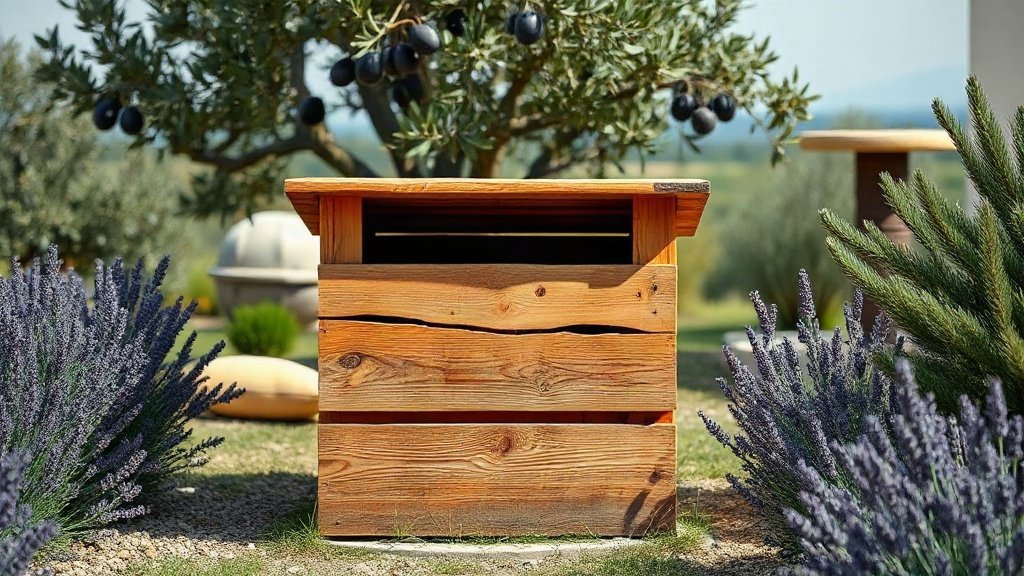
Illustration: AI-generated image
Composting is an easy way to reduce household waste and improve your garden soil, and it works well in Croatia's climate. Whether you have a large garden or a small balcony, you can turn kitchen scraps into nutrient-rich compost.
Why compost in Croatia?
Croatia's warm summers and mild winters create ideal conditions for decomposition. Coastal areas with hot, dry summers may need extra moisture, while continental regions with colder winters may slow down in winter but still work. Composting reduces the amount of organic waste sent to landfill and provides free fertiliser for your plants.
What can you compost?
You can compost a mix of 'greens' and 'browns'. Greens are nitrogen-rich materials, while browns are carbon-rich materials.
- Greens: fruit and vegetable scraps, coffee grounds, tea bags, grass clippings, fresh plant trimmings.
- Browns: dry leaves, straw, cardboard, paper, wood ash, crushed eggshells.
Avoid adding meat, dairy, oils, diseased plants, weeds with seeds, and pet waste, as these can attract pests or cause odours.
Setting up your compost bin or pile
Choose a spot with good drainage and partial shade. You can use a simple pile or a bin. In Croatia, you can buy compost bins or make your own from wood pallets. For small spaces, consider a worm bin (vermicomposting), which works indoors or on a balcony. Start with a layer of browns, then alternate greens and browns in roughly equal amounts. Keep the pile moist but not soggy.
Maintaining your compost
Turn the pile every few weeks to aerate. In dry coastal summers, water the pile occasionally. In winter, cover it to retain heat or move to a sheltered spot. The compost is ready when it is dark, crumbly and smells earthy, usually after 3–6 months.
Using your compost
Mix finished compost into garden beds, use as mulch around trees and shrubs, or add to potting mix for container plants. It improves soil structure, retains moisture and adds nutrients.
Common problems and solutions
- Bad smell: too wet or too many greens; add browns and turn.
- Dry and not decomposing: add water and greens.
- Pests: bury food scraps in the centre and avoid meat or dairy.
- Flies: cover fresh scraps with a layer of browns.
Composting is simple and rewarding, and it is a great way to live more sustainably in Croatia.