Dubrovnik's Feast of St Blaise: A Guide to Croatia's Oldest Festival
Every February, Dubrovnik celebrates its patron saint with a procession, blessing of throats and the release of white doves. Here's what to know.
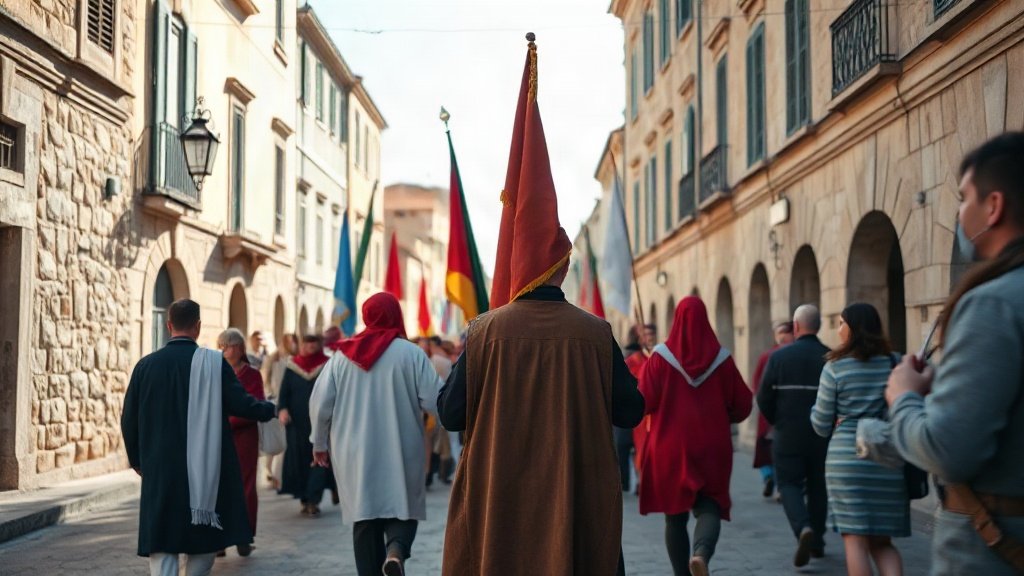
Illustration: AI-generated image
Each year on 3 February, the old city of Dubrovnik comes to a gentle standstill for the Feast of St Blaise, or Festa svetog Vlaha. It is the city's most important day, honouring the patron saint who, according to tradition, has protected Dubrovnik for over a thousand years. The festival is so deeply woven into local identity that UNESCO added it to its Representative List of the Intangible Cultural Heritage of Humanity in 2009.
Why St Blaise Matters to Dubrovnik
Legend says that in 971, St Blaise appeared in a vision to warn the city of an imminent Venetian attack. Ever since, Dubrovnik has celebrated him as its protector. His image appears on the city walls, above gates, and in countless churches. The feast day itself has been marked continuously for centuries, surviving changes in government and empire.
What Happens During the Feast
The celebrations begin the day before, on Candlemas, with the blessing of throats — St Blaise is also the patron of throat ailments. On the main day, a morning mass is held outside the Cathedral, followed by a long procession through the Stradun and surrounding streets. Participants carry banners, relics, and the saint's statue, while spectators line the route.
One of the most recognisable moments is the release of white doves in front of the Church of St Blaise, symbolising peace and the saint's protection. The city's standard-bearers, dressed in traditional costume, add to the sense of occasion. The whole event has a calm, communal feel rather than a carnival atmosphere.
Where to Watch and How to Join In
The main action happens along the Stradun, the city's marble-paved main street, and around the baroque Church of St Blaise at its eastern end. Arrive early to find a spot by the stone balustrades or on the steps of the surrounding buildings. The procession moves slowly, so you can follow it or simply stay in one place and let it pass. Everything is free to watch, and visitors are welcome to stand respectfully among the locals.
February in Dubrovnik is usually mild and quiet, with far fewer tourists than in summer. The feast offers a rare chance to see the city as a living community rather than a museum. If you are planning a winter trip to Croatia, timing it around 3 February is a rewarding way to experience a tradition that has changed little over the centuries.