Gregada: Hvar's Beloved Fishermen's Stew
Gregada is a traditional fish stew from the Croatian island of Hvar, slow-cooked with white fish, potatoes, onions, and white wine. It's a dish steeped in fishing heritage and served at gatherings across Dalmatia.
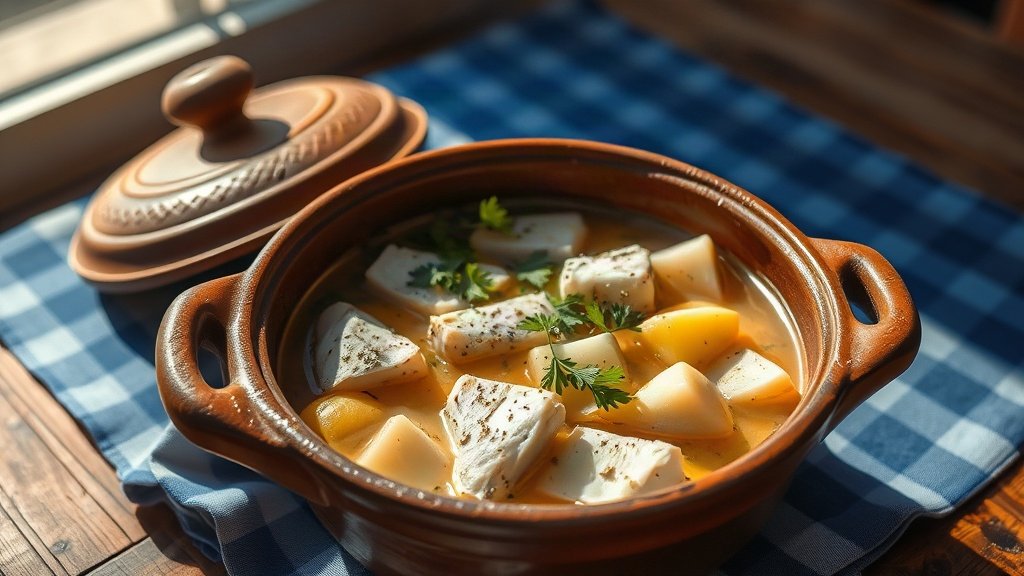
Illustration: AI-generated image
On the sun-drenched island of Hvar, where the sea has always provided, gregada is more than a meal — it's a celebration of community and the day's catch. This humble fish stew, simmered slowly with potatoes, onions, and white wine, is a cornerstone of Dalmatian cuisine, beloved by locals and a must-try for any visitor seeking authentic Adriatic flavours.
What is Gregada?
Gregada is a traditional Dalmatian fish stew, particularly associated with the islands of Hvar and Brač. The name likely comes from the word grego, meaning a group or gathering, reflecting its origins as a communal dish prepared by fishermen. Unlike richer, tomato-heavy brodets, gregada is lighter and broth-based, letting the freshness of the fish shine through.
The stew typically combines a mix of white fish — such as grouper, sea bream, or scorpionfish — with sliced potatoes, onions, garlic, parsley, and a generous glug of local white wine and olive oil. Everything is layered in a wide pot and cooked slowly without stirring, so the ingredients gently meld while keeping their shape. The result is a clear, fragrant broth with tender fish and perfectly cooked potatoes.
A Fishermen's Tradition
Gregada's roots lie in the simple cooking of Hvar's fishing crews, who would prepare it on board or ashore after a long day at sea. Using whatever fish was caught, along with pantry staples like potatoes and onions, they created a nourishing one-pot meal that fed the whole crew. Over time, it became a staple at family gatherings, village festivals, and konoba tables across the island.
Today, gregada is still often cooked outdoors in large pots, especially during summer fiestas and regattas. The ritual of preparing it — layering ingredients, pouring wine and oil, and letting it simmer over an open fire — is as important as the dish itself, bringing people together in anticipation.
How It's Made
While recipes vary by family and island, the essence remains the same. Here's a basic outline:
- Ingredients: 1.5 kg mixed white fish (cleaned but often left whole or in large pieces), 4–5 medium potatoes (thinly sliced), 2–3 onions (sliced), 3–4 garlic cloves (chopped), a handful of fresh parsley, 200 ml white wine, 100 ml olive oil, salt, and pepper.
- Layering: In a wide, heavy pot, spread a layer of potatoes and onions, then arrange the fish on top. Sprinkle with garlic, parsley, salt, and pepper. Repeat layers if needed, finishing with potatoes on top.
- Cooking: Pour the wine and olive oil over everything, then add just enough water to barely cover. Cover and simmer on low heat for 45–60 minutes, shaking the pot occasionally instead of stirring to keep the fish intact. The dish is done when the potatoes are tender and the broth is flavourful.
The key is patience: low heat and minimal intervention allow the fish to release its juices into the broth, creating a delicate, aromatic base.
How to Eat It
Gregada is traditionally served in shallow bowls, with plenty of crusty bread to soak up the broth. Locals often drizzle a little extra olive oil on top and sprinkle fresh parsley before digging in. A simple green salad and a glass of chilled Pošip or Bogdanuša wine — both native to Hvar — make perfect companions.
When eating out, don't hesitate to use your hands for the fish bones; it's all part of the experience. The broth is considered the best part, so be sure to mop it up with bread or even sip it from the spoon.
Trying Gregada in Croatia
You'll find gregada on menus across Dalmatia, especially on Hvar and Brač, where many family-run konobas pride themselves on their own version. For the most authentic experience, visit during a local festival or fešta, when large batches are cooked in the open for everyone to share. Alternatively, many agritourism households offer cooking demonstrations or set menus featuring this dish.
If you're visiting outside the summer months, don't worry — gregada is made year-round, and it's just as comforting on a cool evening as it is after a day at the beach. Whether you enjoy it with a view of the Adriatic or in a rustic stone tavern, this humble stew is sure to leave a lasting impression.