How to Celebrate a Croatian Name Day: A Practical Guide
Name days are a beloved tradition in Croatia, celebrating the saint after whom you are named. Here's what to expect and how to join in.
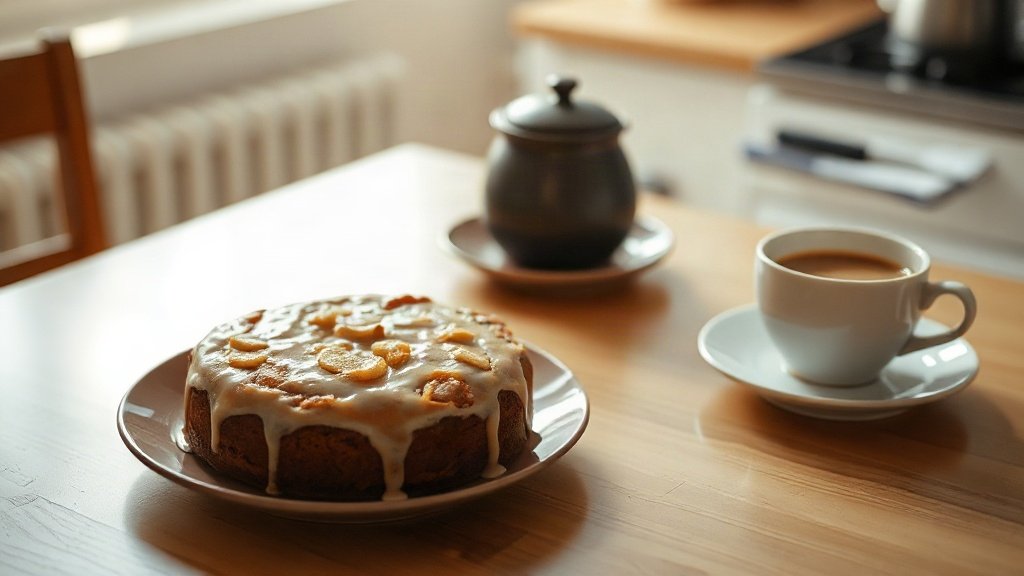
Illustration: AI-generated image
In Croatia, a name day (imendan) is a celebration of the saint after whom you are named. It is a tradition rooted in Catholic heritage, and for many Croats it holds as much importance as a birthday. Whether you are new to the country or simply curious about local customs, understanding name days can help you connect with friends, neighbours, and colleagues.
What Is a Name Day?
Unlike a birthday, which marks the day you were born, a name day is tied to the feast day of a Christian saint. In Croatia, where the majority of the population is Catholic, most traditional names correspond to a saint. For example, Ivan (John) celebrates on 24 June, the feast of St. John the Baptist, while Ana (Anne) celebrates on 26 July, the feast of St. Anne. Each day of the calendar year is associated with one or more saints, and people named after those saints celebrate their name day on that date.
How to Find Your Name Day
If you have a Croatian name, or one that has a Croatian equivalent, you can look it up in a Croatian calendar (kalendar) that lists saints' days. Many printed calendars in Croatia mark the saint of the day, and online resources also offer searchable databases. Some names have multiple feast days; in that case, people usually celebrate on the day closest to their birthday or the one most commonly observed in their region. If your name does not have a direct saint equivalent, you might still be included if there is a similar-sounding saint's name.
How Name Days Are Celebrated
The way name days are marked varies by region and personal preference, but common practices include:
- Well-wishing: Friends and family greet the person with "Sretan imendan!" (Happy name day!) in person, by phone, or via message.
- Gathering: Many people host an open house or invite close friends for coffee and cake in the afternoon or evening. It is often less formal than a birthday party.
- Small gifts: While not obligatory, it is customary to bring a small token such as flowers, chocolates, or a bottle of wine when visiting someone on their name day.
- Workplace recognition: Colleagues may congratulate the person, and sometimes a cake is shared in the office.
In some families, name days are a reason for a larger family meal, especially for older generations who may place more emphasis on the tradition than on birthdays.
Gift Etiquette
If you are invited to a name day celebration, it is thoughtful to bring a small gift. Flowers are always appropriate, as are sweets or a nice bottle of local wine or rakija. The gift need not be expensive; the gesture is what matters. If you are unsure, a simple card or a sincere congratulation is perfectly acceptable. Avoid giving money, as that is more typical for weddings or significant birthdays.
Name Days vs. Birthdays
While birthdays are widely celebrated, especially among younger people, name days remain a staple of Croatian social life. Younger generations may treat them more casually, but many still appreciate a greeting. It is common to see name day wishes posted on social media or sent via messaging apps. In some workplaces, it is customary to bring treats for colleagues on your own name day, rather than the other way around.
Tips for Expats and Visitors
If you live in Croatia, learning the name days of your close friends, neighbours, and colleagues is a thoughtful way to show you care. You can discreetly ask for their name day or check a calendar once you know their full name. When you wish someone a happy name day, it is often met with warmth and appreciation. Even if you do not share the tradition, participating is a wonderful way to integrate into the local community.
Name days are a charming part of Croatian culture, blending faith, family, and friendship. By understanding this tradition, you can add a meaningful layer to your relationships in your new home.