How to Grow Vegetables in Croatia: A Beginner's Guide
Croatia's Mediterranean and continental climates make it possible to grow fresh vegetables nearly all year. This guide covers the essentials from soil to harvest.

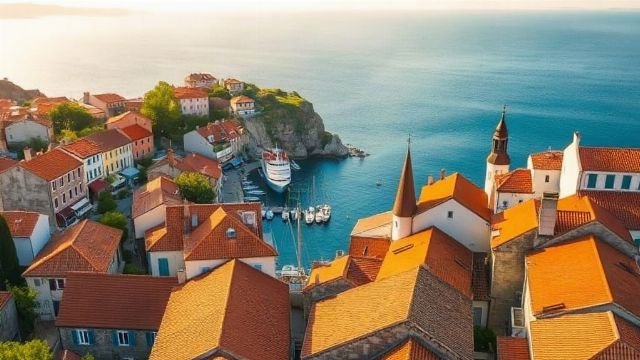
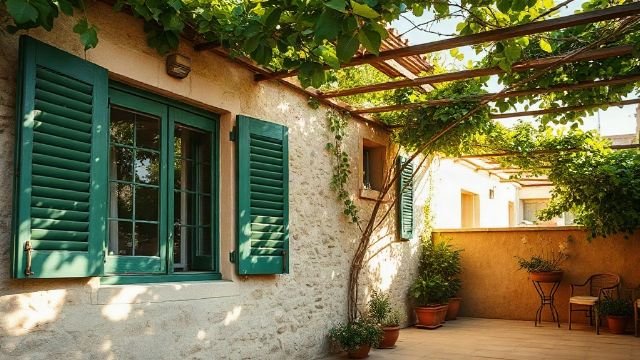
Illustration: AI-generated image
Growing your own vegetables in Croatia is a rewarding way to enjoy fresh, flavourful produce while connecting with the local land and seasons. From the sun-drenched Dalmatian coast to the cooler, greener interior, the country's diverse climate supports a surprisingly wide range of crops. Whether you have a spacious garden, a small courtyard or just a few pots on a balcony, a little planning goes a long way. This guide covers the basics to help you get started.
Understanding Croatia's Climate Zones
Croatia is broadly divided into two main climate zones: Mediterranean along the coast and islands, and continental in the interior. The coastal region enjoys hot, dry summers and mild, wet winters, making it ideal for heat-loving crops like tomatoes, peppers, aubergines and Swiss chard. The continental region, including Zagreb, Slavonia and Lika, has warm summers and cold winters with snow, so the growing season is shorter but still productive for cool-season vegetables and hardy greens. Always consider your local microclimate—coastal gardens may face salt-laden winds, while inland plots can experience late spring frosts.
Choosing a Sunny Spot and Preparing the Soil
Most vegetables need at least six hours of direct sunlight per day, so choose a site that is not shaded by buildings or large trees. If you are working with a new bed, start by removing weeds and loosening the soil to a depth of about 30 cm. Croatian soils vary widely: coastal areas often have thin, rocky and alkaline soil, while inland regions may have heavier clay. Improve any soil by adding well-rotted compost or aged manure; this helps with drainage, water retention and nutrients. For containers, use a quality potting mix rather than garden soil, which can compact and harbour pests.
Watering Wisely
Water is precious, especially during Croatia's hot summers. Water deeply but less frequently to encourage deep root growth—early morning is best to reduce evaporation. Drip irrigation or soaker hoses are excellent, but a simple watering can works for small gardens. In coastal areas, be mindful of water restrictions during peak tourist season. Mulching around plants with straw, dry leaves or grass clippings helps keep moisture in the soil and suppresses weeds.
What to Plant and When
Timing depends on your region. In the Mediterranean zone, you can sow cool-season crops like lettuce, spinach, peas and broad beans in late summer for autumn and winter harvests. Warm-season crops like tomatoes, peppers, courgettes and cucumbers are typically planted out after the last frost, around late March or April. In continental areas, start seeds indoors in early spring and transplant after mid-May. For a continuous harvest, sow salad leaves and radishes every few weeks. Local farmers' markets are a great place to find regionally adapted seed varieties and young seedlings.
Ongoing Care and Harvest
Keep an eye out for common pests such as aphids, slugs and, in summer, tomato hornworms. Hand-picking and encouraging natural predators like ladybirds usually suffice. Feed your plants with a balanced organic fertiliser every few weeks, and harvest regularly to encourage more production. Most vegetables taste best when picked young and used the same day—a true luxury of home growing. As the season winds down, consider sowing a green manure like clover or vetch to protect and enrich the soil over winter.
Starting a vegetable garden in Croatia is a delightful way to embrace the local rhythm of life. Start small, learn from each season, and you will soon be enjoying your own home-grown produce.