How to Live with the Bura Wind in Croatia: A Practical Guide
The Bura is a powerful, cold wind that shapes life along Croatia's coast. Learn how to prepare your home and daily routine for its gusts.
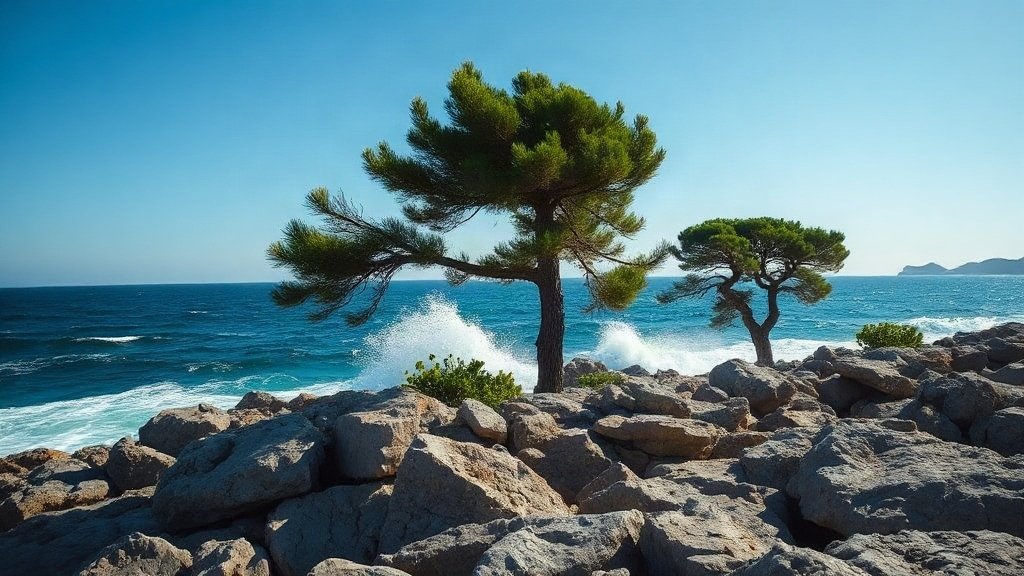
Illustration: AI-generated image
The Bura is a strong, cold and dry north-easterly wind that blows from the mountains down to the Adriatic coast. It is most common in winter, but can occur at any time of year. For anyone living in or visiting Croatia's coastal regions, understanding how to live with the Bura is essential.
What is the Bura?
The Bura forms when cold air accumulates over the Dinaric Alps and then rushes down towards the warmer sea. It is characterised by sudden, powerful gusts that can reach hurricane force in some areas. The wind is most intense in the Velebit Channel, around Senj, and in other exposed locations like Trieste, Rijeka and the Makarska Riviera. Unlike the Sirocco, which brings warm, humid air from the south, the Bura is dry and can make temperatures feel much colder than they actually are.
Preparing your home
If you live in a Bura-prone area, your home should be built or adapted to withstand strong winds. Traditional stone houses often have small windows and thick walls for this reason. Modern homes should have shutters or external blinds that can be securely closed. Before a Bura event, check that all windows and doors are latched, and secure anything loose on balconies or terraces. Wrought-iron railings and sturdy planters are better than lightweight furniture that could become airborne.
During a strong Bura, it is wise to avoid opening windows on the windward side, as sudden pressure changes can cause damage. If your home has a fireplace or wood-burning stove, make sure the chimney is clear and the damper works properly, because the wind can cause downdraughts that fill the house with smoke.
Protecting your garden
The Bura can be devastating for gardens, especially for young trees and delicate plants. Choose wind-resistant species such as olive, cypress, rosemary and lavender, which are naturally adapted to coastal conditions. Protect young trees with sturdy stakes and windbreaks. Potted plants should be moved to a sheltered spot or tied down. In very exposed areas, consider installing permanent windbreaks made of stone, wood or dense hedging.
Staying safe outdoors
When the Bura blows, walking or cycling can be challenging and even dangerous. Gusts can knock you off balance, and flying debris is a real hazard. Drivers should be particularly careful on exposed bridges, viaducts and coastal roads, where the wind can suddenly hit the side of a vehicle. In extreme conditions, some roads may be closed to certain types of vehicles, such as high-sided lorries or motorbikes. Always check local weather forecasts and road conditions before travelling.
If you must go outside, dress in layers and secure hats or scarves. Protect your eyes from dust and sand. The Bura often brings clear skies, making it tempting to go for a walk, but the wind chill can be surprising, so it is better to wait for calmer conditions if possible.
Embracing the Bura
Despite its challenges, the Bura is also part of Croatia's identity. Locals often say that after the Bura, the air is exceptionally clear, and the views of the islands and mountains are at their best. It is a wind that demands respect, but with the right preparation, you can live comfortably and safely alongside it.