How to Maintain Your Septic Tank in Croatia: A Homeowner's Guide
If your Croatian home relies on a septic tank, a little regular care goes a long way. Here’s how to keep it running smoothly and avoid costly problems.
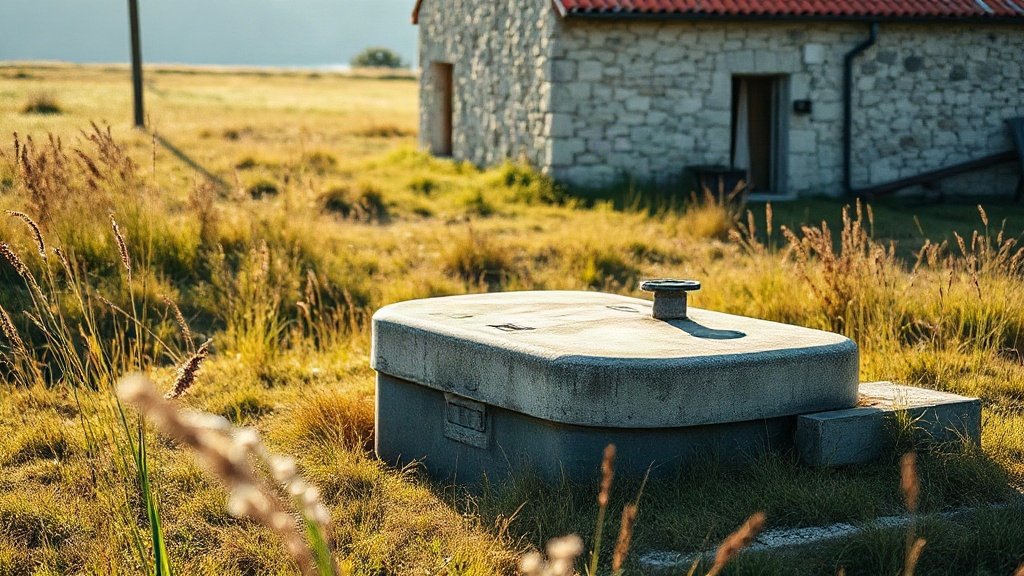
Illustration: AI-generated image
Many homes in rural Croatia—and even some in suburban areas—are not connected to a public sewer system. Instead, they rely on a septic tank, known locally as a septička jama. While these systems are effective, they do require a bit of attention. If you've recently moved into a property with a septic tank, or you've been living with one for years, a few simple habits can help you avoid unpleasant and expensive issues.
How a Septic Tank Works
A septic tank is an underground chamber that collects wastewater from your home. Solids settle to the bottom, forming sludge, while oils and grease float to the top as scum. The liquid in between—called effluent—flows out into a drainage field or soakaway, where it is naturally filtered by the soil. Bacteria inside the tank break down the solids over time, but the tank will still need to be pumped out periodically to remove the accumulated sludge.
Regular Maintenance
The most important task is to have your septic tank pumped by a licensed professional. How often depends on the size of the tank and the number of people in your household, but a general rule of thumb is every three to five years. If you notice slow drains or gurgling sounds from your plumbing, it might be time sooner. Keep a record of when the tank was last emptied, and schedule the next service before problems arise.
You should also have the tank inspected at the same time. A professional can check for cracks, leaks, and the condition of the baffles, which help keep solids from flowing out. Regular inspections can catch small issues before they turn into major repairs.
What Not to Flush
Your septic tank is not a rubbish bin. To keep the bacteria healthy and the system working, avoid flushing anything other than human waste and toilet paper. In particular:
- Do not flush wet wipes, even those labelled "flushable"—they do not break down and can clog the system.
- Avoid pouring cooking oils, fats, or grease down the sink; they can solidify and block pipes.
- Do not put chemicals like paint, solvents, or strong cleaning products down the drain, as they can kill the beneficial bacteria.
- Limit the use of bleach and other harsh disinfectants; use them sparingly and in diluted form.
Signs of Trouble
Being aware of the warning signs can save you from a messy backup. Watch out for:
- Slow-draining sinks, showers, or toilets, especially if several fixtures are affected at once.
- Gurgling sounds coming from drains when water is running or after flushing.
- Unpleasant odours in your home or around the tank area.
- Pooling water or unusually lush grass over the drainage field, which could indicate a leak or overflow.
If you notice any of these, contact a professional as soon as possible. Ignoring the problem will only make it worse.
Seasonal Tips
In Croatia, heavy autumn rains can saturate the ground around your drainage field, reducing its ability to absorb effluent. During very wet periods, try to reduce water usage—spread out laundry loads and fix any dripping taps. In winter, while the tank itself rarely freezes because it is underground, the pipes leading to it can be at risk if they are not properly insulated. Make sure any exposed pipes are wrapped and consider leaving a tap to drip during extreme cold snaps.
Finally, if you are buying a home with a septic tank, ask about its age, size, and maintenance history. A well-maintained system can last for decades, but a neglected one can be a costly headache.